
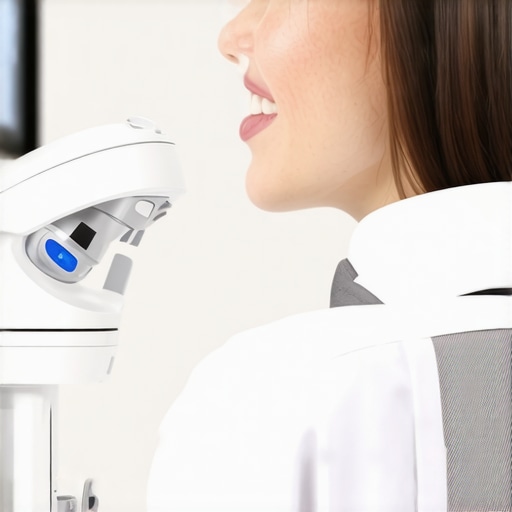
It was a typical Monday morning in the clinic when I accidentally knocked over a tray of goopy dental molds. The smell, the mess, and that sticky, rubbery residue stuck to everything—yeah, I know you’ve been there. For years, I’ve relied on those messy impressions, fighting with impression materials that never set quite right and always made patients uncomfortable. Then, I had that lightbulb moment when I realized there had to be a better way.
Why Waiting for Goopy Molds to Dry Feels Like a Waste of Time
As a practitioner, I’ve seen firsthand how traditional impression techniques slow down workflows. Not only are they painfully messy, but they also lead to retakes and patient discomfort, hampering efficiency. With the advancements in digital dentistry, 2026 promises a shift—exciting, yes, but also a bit nerve-wracking for those of us hesitant to change. I admit, I worried about whether these new oral scanners could match the accuracy of classic molds. But the truth is, they do more than that—they offer a smarter, faster alternative that improves patient experience and saves you hours each week.
Will Digital Scanning Truly Replace Goopy Molds or Is It Just Hype?
I made the mistake early on of dismissing digital scanners as a fancy gadget, thinking they might compromise precision. Turns out, I was wrong. These devices have come a long way, with some models now boasting resolutions comparable to traditional impressions, but in a fraction of the time. And let’s be honest—no more gag-inducing trays or messy mixes.
What initially held me back was uncertainty—doubts magnified by articles like this one, which highlight how digital dentistry is transforming practices globally. If you’re still unsure whether this tech is ready for prime time, I encourage you to explore the latest innovations, such as smart intraoral scanners, that offer seamless integration into your workflow.
So, are you tired of the goopy mess and the wait? Do you wonder if embracing digital impressions could genuinely make your practice more efficient? Trust me, I’ve been there, and I can tell you—making the switch in 2026 isn’t just a trend; it’s a smart move for the future of dental care. Let’s dive into how these scanners work and how you can get started today.
Set Up Your Digital Workflow Efficiently
Start by selecting an intraoral scanner compatible with your practice size and patient volume. During my first attempt, I installed a mid-range model without proper calibration, which resulted in inaccurate scans. To avoid this, follow the manufacturer’s setup instructions meticulously, ensuring software and hardware are updated. Practice connecting the device to your practice management system to streamline data transfer and storage.
Calibrate Your Scanner Regularly
Calibration is akin to tuning a musical instrument—necessary for precision. I once skipped calibration, leading to repeated scans and patient frustration. Schedule routine calibrations as recommended, using calibration tools provided. This maintains scan accuracy, which is vital when you begin to replace traditional impressions altogether.
Train Your Team in Image Acquisition
Proper imaging technique is crucial, much like learning to play a new instrument. I dedicated part of a training session to have staff practice scanning on volunteer patients, emphasizing angle and movement. Encourage them to watch for common errors such as missed areas or glare, and correct these immediately. Skills improve with repetition, reducing retakes and saving time.
Use Practice Scanning to Build Confidence
Initially, I conducted simulated scans on dental models to get a feel for the device. This hands-on approach boosted my team’s confidence before working with real patients. It’s comparable to flight simulators for pilots—practice safely before going live. Allocate time for your team to practice and familiarize themselves with various oral anatomies.
Integrate Scanning Into Your Clinical Routine
Embed digital impressions as part of your standard procedure. During my first real-case application, I substituted the traditional mold with a digital scan mid-appointment. While the initial switch seemed challenging, it minimized patient discomfort and shortened appointment durations. Develop clear protocols to guide staff on when and how to perform scans to ensure consistency.
Optimize Patient Comfort During Scans
Great technique involves more than just equipment—it’s about patient experience. I found that explaining each step reduced anxiety, and supporting the scanner with a gentle hand position avoided gag reflexes. Using smaller scanner tips can also help access hard-to-reach areas, akin to fitting a key into a lock with precision. For additional patient safety, consider incorporating P100 masks to ensure sterile conditions during procedures.
Handle Data with Care and Precision
Once images are captured, ensuring accurate data transfer and storage is crucial. I experienced a mishap when a corrupted file led to rescan requests, wasting time. Implement a reliable data management system with backups, similar to how smart socks monitor patient data reliably. Also, label scans systematically to easily retrieve and cross-reference with patient records.
Stay Updated With Latest Technology
The digital landscape evolves rapidly. I subscribed to newsletters and attended webinars about emerging scanners and software features, which kept my practice at the forefront. To explore cutting-edge tools, you might review options like AI-enhanced imaging tools that improve diagnostic accuracy, and consider their integration at your pace.
Many healthcare providers and even seasoned practitioners often hold misconceptions about medical equipment, devices, and supplies that can hamper their effectiveness and safety. Let’s dig deeper into some common myths and nuanced pitfalls that can catch even the most experienced off guard, ensuring you’re equipped with knowledge beyond surface-level assumptions.
Myth: All Medical Devices Are Created Equal in Precision
Contrary to popular belief, not all medical devices offer the same level of accuracy. For example, some portable ultrasound probes are marketed as versatile, but their resolution and imaging quality can vary significantly, influencing diagnostic reliability. Advanced tools like portable bone density scanners demonstrate that investing in high-quality tech makes a tangible difference, especially in remote or home settings. Overlooking these nuances can lead to misdiagnosis or delayed treatment, so always scrutinize device specifications and performance data.
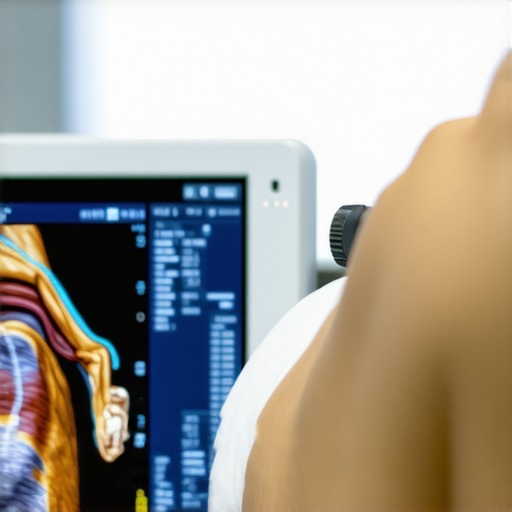
This image illustrates the variability in device resolution among portable ultrasound probes, highlighting the importance of choosing high-quality equipment for accurate diagnostics.
Beware of the Overreliance on Technology Blindly
Everyone thinks having the latest gadgets guarantees better outcomes, but overdependence on high-tech solutions without proper understanding can backfire. For instance, using AI-imaging tools can reduce false positives, yet misinterpretation of AI outputs remains a risk if practitioners lack adequate training. The complexity of these devices often leads to common pitfalls—incorrect calibration, ignoring new software updates, or misunderstanding AI alerts—that can compromise patient safety. Continuous education and critical evaluation of new equipment are essential to maximize benefits and avoid costly mistakes.
Have you ever fallen into this trap? Let me know in the comments.
Advanced Insight: The Hidden Risks of Subpar Medical Supplies
Many assume that cheap or generic supplies perform just as well as their branded counterparts, but this myth can be dangerous. For example, using low-quality bio-sensors or unverified masks can lead to inaccurate readings or compromised sterility, risking patient and staff safety. Regulatory standards are designed to prevent substandard products from entering the supply chain, yet lapses occur, especially with rapidly produced or imported items. Always verify supplier credentials and product certifications. Keeping abreast of credible resources, such as recent studies on device safety, can help you identify trustworthy equipment and supplies, reducing error margins and improving care quality.
By understanding these subtle distinctions and avoiding common misconceptions, healthcare providers can significantly improve diagnostic accuracy, safety, and patient outcomes. Remember, technological sophistication doesn’t replace training and critical judgment, so stay informed and vigilant about the nuances behind the equipment you rely on every day.
Keeping Your Medical Equipment in Peak Condition
Ensuring your medical devices and supplies function reliably over time is critical to delivering quality patient care. Regular maintenance not only extends the lifespan of your equipment but also safeguards against unexpected failures that could jeopardize outcomes. One of my go-to strategies is establishing a scheduled calibration routine for diagnostic tools like ultrasound probes and imaging scanners. For example, I use a digital calibration tool recommended by industry standards, which helps detect precision drifts early, preventing costly downtime.
Investing in the right tools for maintenance makes a tangible difference. I personally rely on comprehensive device management systems that track calibration dates, service histories, and upcoming needs. These systems, such as the smart management platforms, allow me to automate reminders, ensuring no device slips through the cracks. Staying organized is key when managing multiple high-tech devices.
Tools I Recommend for Long-term Device Care
For cleaning and sterilization, I prefer using UV sterilizers like the UV-cleaners because they rapidly disinfect instruments without harsh chemicals, preserving device integrity. Additionally, investing in protective covers—such as lead aprons with lead-free protection—reduces wear and tear while enhancing safety standards.
Anticipating Future Trends in Equipment Maintenance
The future of maintenance in healthcare is leaning towards predictive analytics powered by AI. Devices equipped with sensors can now alert staff proactively about upcoming repairs or calibration needs, minimizing unexpected failures. For instance, emerging AI applications are
Lessons That Changed My Practice Forever
One of the toughest lessons I learned was that clinging to traditional impressions out of fear or nostalgia can hold you back from innovation. Once I embraced digital scanning, I realized how much time and discomfort I was unnecessarily exposing my patients and team to. Another insight was understanding that investing in quality calibration tools and ongoing training pays off exponentially—accurate scans become routine, and errors diminish. Lastly, I discovered that staying curious and open-minded, especially when faced with skeptics or outdated methods, empowers you to lead change rather than react to it, making your practice at the forefront of cutting-edge healthcare delivery.
My Go-To Resources for Staying Ahead of the Curve
- Latest Scanner Reviews and Industry Updates: I trust Medical Device Insight for impartial, detailed reviews of new intraoral scanners and software enhancements, helping me choose equipment that balances cost and performance.
- Webinars and Continuing Education: Attending webinars through Medical Device Insight keeps me informed about emerging trends, especially in AI and integration techniques that streamline my workflow.
- Peer Networks and Case Studies: Connecting with fellow practitioners via online communities provides practical insights—real-world experiences that textbooks can’t always convey.
- Manufacturer Resources and Support: Trusted brands often offer dedicated onboarding and calibration guides, which are invaluable during the initial setup phases.
Ready to Make the Switch and Transform Your Practice
Stepping into digital impressions might seem daunting at first, but the benefits—faster workflows, happier patients, and enhanced precision—are truly worth the leap. The decision to embrace these advancements can redefine your approach to patient care, aligning your practice with the future of dentistry. Remember, every major change begins with that first step. So ask yourself: What’s holding you back from experiencing the full potential of digital impression technology? Your transformation starts now.
Reading this post resonated deeply with my own experience switching from traditional impressions to digital scanning. The mess, discomfort, and retakes with goopy molds really do slow us down and frustrate patients. I was initially skeptical about digital accuracy, but like the author, I’ve found that modern intraoral scanners now deliver impressive precision, which truly transforms the workflow. One thing I’ve learned is the importance of consistent training for staff, especially when it comes to calibration and image acquisition techniques—small details can significantly impact the quality of scans.
I’m curious, for those who have integrated scanners into busy clinics, how do you ensure your team stays proficient without overwhelming them? Do you incorporate regular simulated practice or quick refresher sessions? I believe that ongoing education is key to fully benefiting from this tech and maintaining high standards. Overall, embracing digital impressions has really elevated my practice and patient satisfaction. It’s an exciting shift, but success definitely depends on proper setup and training. Would love to hear how others have navigated workflow adjustments and staff training to make the transition seamless.
Reading this post really hit home for me. I used to dread the messy impressions and the repeated retakes, especially when patients got gaggy or uncomfortable. Switching to digital scanning seemed like a leap of faith initially, given all the stories about tech difficulties and the learning curve. But now, after a few months of consistent practice and proper calibration, I can’t imagine going back. The efficiency gains are undeniable, and patients consistently comment on how much more comfortable the process is. One thing I’ve found crucial is investing in team training—not just initial tutorials but ongoing practice sessions, especially simulated ones on models before working on real patients. This helps prevent errors like glare or missed areas. I’m curious, how do others balance training time with busy clinic schedules? Do you have quick daily drills or weekly refreshers? Finding the right routine seems key to maintaining high-quality scans without overwhelming staff. I believe that with the right approach, digital impressions can truly revolutionize our workflow and patient care.