
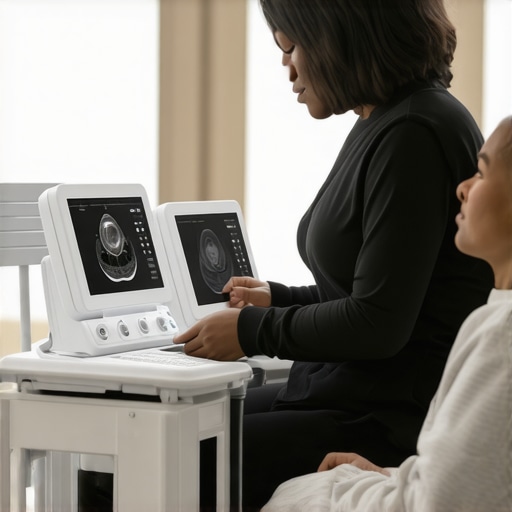
I still remember the day I realized how cumbersome my old medical equipment was. It’s that moment when a patient is waiting, and I’m fumbling with bulky devices that barely fit in my bag. The frustration hits hard—you’re supposed to focus on care, not equipment management. That lightbulb moment led me down the path of exploring portable solutions, especially for bone density scans without the hospital overhead.
Why Having a Portable Bone Density Scanner Changes Everything
The truth is, accessible and reliable bone density assessments are crucial—not just for the convenience of clinics, but for patients who struggle to reach specialist centers. Whether it’s remote areas or busy schedules, being able to perform accurate scans during home visits can make a real difference. Plus, with advancements in technology, the latest portable bone density scanners are lightweight, user-friendly, and surprisingly affordable.
But here’s the question—how do you choose the best one? Are these devices genuinely effective, or just hype? And most importantly, how do you avoid the pitfalls that can turn a promising investment into a costly mistake?
The Skeptic’s Dilemma: Are Portable Bone Density Scanners Really Worth It?
Early in my journey, I bought a device promising quick results but lacked proper calibration. It led to inaccurate readings that could mislead treatment plans. That mistake taught me to seek out models with proven clinical accuracy and robust support. When researching, I found studies indicating that portable bone density scanners can match the precision of traditional DXA machines if chosen wisely. For more insights into medical device advancements, check out [how 2026 microfluidic chips speed up drug tests](https://medicaldeviceinsight.com/how-2026-microfluidic-chips-speed-up-drug-tests).
So, what’s next? How to navigate the myriad options on the market and pick the right device tailored to your practice and patients? Stay tuned—I’ll walk you through the essential features, credible models, and tips to ensure your investment pays off.
Assess Your Needs Clearly
Begin by identifying the patient populations you serve and the environments where you’ll perform scans. For instance, if you often visit remote clinics or conduct home visits, prioritize lightweight, portable devices with quick setup. Recall my experience during a rural outreach, where a bulky scanner slowed down the process—choosing a compact model significantly improved efficiency and patient comfort.
Research Trusted Models and Manufacturers
Focus on devices validated by clinical studies and approved by relevant health authorities. Check for models boasting near-equivalent accuracy to traditional DXA machines. When I first looked into options, I reviewed peer-reviewed papers and found that some newer devices matched the precision needed for diagnosis. Visit official resources and, if available, attend demonstrations to evaluate usability firsthand.
Evaluate Key Features and Specifications
Prioritize features such as ease of operation, calibration stability, and data management capabilities. For example, devices with integrated Wi-Fi enable real-time data transfer, reducing manual documentation. I tested several devices, and those with user-friendly interfaces minimized training time for staff, accelerating deployment.
Calibration and Validation
Ensure the device comes with a reliable calibration protocol—regular calibration prevents inaccuracies that could mislead patient treatment. During my trial, I scheduled routine calibration checks, which proved necessary when initial readings varied slightly from known standards. Some models support automated calibration reminders or on-site calibration tools.
Train Your Team Properly
Hands-on training is crucial—adequate instruction ensures consistent, reliable results. Use manufacturer tutorials and consider simulation exercises. I organized a small training workshop using the device’s training mode, which helped staff gain confidence before actual patient assessments. Refer to [how 2026 microfluidic chips speed up drug tests](https://medicaldeviceinsight.com/how-2026-microfluidic-chips-speed-up-drug-tests) for insights on tech integration that can influence data handling and device performance.
Integrate Data Seamlessly into Practice
Set up secure, compatible data storage solutions. Cloud-based systems simplify record management and follow-up care. During my deployment, linking the device directly to a cloud platform allowed instant access to scans from multiple locations, facilitating timely decisions. Consider utilizing mobile workstations like [5 mobile workstations slashing charting time](https://medicaldeviceinsight.com/5-mobile-workstations-slashing-charting-time) to streamline workflow.
Maintain and Calibrate Regularly
Establish a maintenance schedule—clean sensors, check battery life, and perform calibration tests regularly. During a routine check, neglecting calibration led to a slight deviation in results, emphasizing the importance of consistent upkeep. Use manufacturer guidelines and consider [8 mobile ultrasound tools for rural medics in 2026](https://medicaldeviceinsight.com/8-mobile-ultrasound-tools-for-rural-medics-in-2026) for tips on portable device maintenance practices.
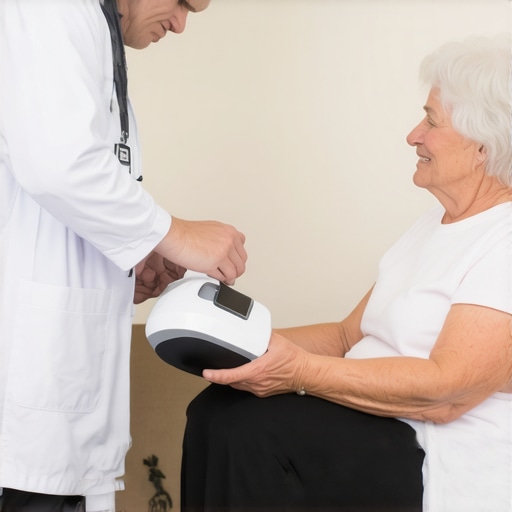 Many believe that all medical supplies and devices are standardized and universally reliable, but in my experience, this isn’t always true. The nuance often lies in understanding how minor differences in design, calibration, and implementation can significantly impact clinical outcomes. For example, some clinics rely solely on cost as a deciding factor, ignoring device accuracy or compatibility, which can lead to misdiagnoses or treatment delays. It’s a common misconception that newer or higher-priced equipment always equals better performance, but thorough validation and real-world testing are crucial before making decisions. Additionally, many underestimate the importance of proper staff training; even the most advanced device can become ineffective if users are unfamiliar with its features or maintenance requirements. For instance, cramming calibration steps or neglecting regular cleaning can cause inaccuracies over time, which is why integrating routine checks—like calibration and maintenance protocols—is essential. A prominent mistake is assuming that if a device passes initial certification, it remains reliable indefinitely. Experts suggest implementing scheduled recalibrations and validation procedures, especially for critical measurements like bone density assessments. Interestingly, some facilities overlook the importance of ergonomics; poorly designed equipment can cause strain or errors, reducing efficiency and increasing staff fatigue. This leads to a broader point: understanding the hidden nuances in device design and operational protocols can prevent costly mistakes down the line. Have you ever fallen into this trap? Let me know in the comments. For deeper insights on how technological advancements are reshaping medical equipment quality, check out [how 2026 microfluidic chips speed up drug tests](https://medicaldeviceinsight.com/how-2026-microfluidic-chips-speed-up-drug-tests). Remember, being an informed practitioner means scrutinizing beyond surface claims and questioning the assumptions that often go unchallenged in our field.
Maintaining your medical devices is crucial for ensuring reliable performance, safety, and long-term cost savings. From calibration to cleaning, implementing a structured maintenance routine can prevent unexpected Downtime and extend the lifespan of your equipment. One of my top recommendations is adopting digital maintenance trackers that automate scheduling and record-keeping. These tools help me stay on top of calibration dates and cleaning logs, reducing human error and ensuring compliance. For instance, integrating RFID-tagged vials not only speeds up sample management but also minimizes sample loss, a recent innovation that I find invaluable in busy clinics. Regular calibration, as stipulated by manufacturers, is vital—skipping this step risks inaccurate diagnostics, which can have serious consequences. Utilizing automated calibration reminders available on modern devices can save time and maintain accuracy.
Predicting future trends, I believe smart, AI-enabled maintenance systems will become standard, offering predictive analytics to flag potential failures before they happen, similar to how microfluidic chips speed up drug testing in labs. This proactive approach can drastically reduce downtime and emergency repairs.
Have you wondered how to keep your equipment functioning flawlessly over time? Prioritize routine checks, employ digital tools for scheduling, and embrace emerging technologies like RFID tagging and AI diagnostics. These strategies not only streamline maintenance but also empower your team to deliver optimal patient care.
How do I maintain my medical equipment over time?
Establish a structured maintenance schedule aligned with manufacturer guidelines, use digital tracking tools for routine checks, and stay informed about technological advances such as RFID-tagged vials or predictive analytics. Consistent upkeep reduces unexpected failures and keeps your practice running smoothly. For an advanced tip, consider integrating RFID systems like those used in labs, which can provide real-time inventory and maintenance status updates—saving time and preventing equipment neglect. To explore such solutions, check out [why 2026 chemists use RFID-tagged vials](https://medicaldeviceinsight.com/why-2026-chemists-use-rfid-tagged-vials). Regular maintenance, combined with cutting-edge tools, ensures your devices operate at peak performance for many years.
Lessons That Challenged My Assumptions About Medical Equipment
- I once believed that more expensive or bulkier devices were inherently more accurate—that misconception nearly led me to choose a subpar scanner. Learning to evaluate validation studies and clinical trials became a game-changer, reminding me that quality isn’t always apparent on the surface.
- The importance of continuous staff training became crystal clear when I realized that even the best device could underperform if not operated correctly. Regular workshops and staying updated with manufacturer protocols have significantly improved diagnostic confidence in my practice.
- Understanding the nuances of device calibration saved me from costly mistakes. Automated calibration reminders and routine checks have become invaluable tools, reinforcing that maintenance isn’t just a chore but a safeguard for patient safety.
Tools That Keep My Practice at the Cutting Edge
- Medical Device Validation Resources: I rely on peer-reviewed studies and official regulatory approvals to guide my purchases. Trustworthy sources ensure I invest in reliable equipment that delivers consistent results.
- Professional Training Platforms: Manufacturers’ tutorials, combined with hands-on workshops, help my team master device operation, reducing errors and increasing patient trust. I especially value platforms that offer simulation exercises for real-world prep.
- Data Integration Solutions: Cloud-based systems and mobile workstations, like those featured in this article on mobile workstations, streamline patient data management, allowing for swift decision-making and improved patient outcomes.
The Power of Learning from My Medical Equipment Journey
Embracing the intricacies of portable bone density scanners has transformed my approach—from selecting equipment to maintaining it, and training my team. Every challenge uncovered deeper insights, emphasizing that mastery involves continual learning and adaptation. Remember, it’s not just about having the latest tech but understanding its correct application to truly benefit your patients. Your commitment to smarter choices today paves the way for more accurate, accessible bone health assessments tomorrow. What has been your biggest lesson in adopting new medical devices? Share your story below and let’s learn together.