

There was a time when I almost lost my cool over a simple lab tool—an indispensable device was contaminated just because I rushed the cleaning process. The worst part? It was right before an important procedure, and I knew that if I didn’t find a quicker way to sanitize, I could jeopardize the entire experiment. That moment sparked a lightbulb in my head: What if there was a way to disinfect lab tools quickly, reliably, and without the hassle of long drying times? Today, I want to share how I transformed my approach using 6 UV cleaners that give me a sanitized lab in just 60 seconds.
Why rapid sterilization became my top priority
In medical labs and research settings, time is often your enemy—and your friend. The pressure to turn around tools swiftly while maintaining strict hygiene protocols is real. Traditional methods like chemical disinfectants or autoclaves are effective but time-consuming and sometimes prone to human error. I realized early on that the key to improving my workflow was finding a solution that could keep pace with our fast-paced environment without compromising safety. That’s when I started exploring UV sterilization devices designed specifically for lab use, and let me tell you, the shift was game-changing.
Are UV Cleaners Actually Worth the Hype?
I’ll admit, I was initially skeptical. How effective could a small device be against parasites, bacteria, or viruses? My early mistake was relying on traditional cleaning that often left residue or missed tiny microbes. According to a study in the National Center for Biotechnology Information, UV-C light can inactivate up to 99.9% of pathogens on surfaces when used correctly—making it a formidable tool for lab sanitation. The catch? Not all UV cleaners are created equal, and selecting the right ones was crucial.
Overcome my doubts, I started testing various UV sterilizers, and I hit upon an array of six different models that fit seamlessly into my workflow—each with unique features suitable for different tools and surfaces. The magic? They all deliver rapid, reliable sterilization in just 60 seconds, cutting down my prep time dramatically and boosting overall safety. Now, I never go back to slow, chemical-based routines without seeing if a quick UV pass could do the job better.
So, do you ever find yourself slowing down your work just because you’re waiting on sanitation? If so, keep reading. I’ll walk you through my favorite UV sterilizers and how you can implement them today to keep your lab both efficient and safe.
Set Up Your UV Sterilization Station
Begin by selecting the appropriate UV sterilizer for your specific tools. Think of it as designing a mini-sanitization hub that fits into your workflow seamlessly. Place the device on a stable surface near your work area, and ensure it’s away from direct sunlight or reflective surfaces that could interfere with UV effectiveness. When I first tried this, I repurposed an old laboratory cart, creating a dedicated space that minimized movement and sped up my sterilization process.
Prepare Your Instruments Correctly
Before sterilization, clear any visible debris or biological material—think of wiping a mirror free of dust before shining a light on it. Use soap and water for biological cleaning or manufacturer-recommended cleaning agents. For example, I once rushed to sterilize a set of petri dishes, skipping this step, which resulted in incomplete sterilization. Post-cleaning, dry the instruments thoroughly; moisture can reduce UV efficacy or cause microbe survival.
Properly Position Instruments in the UV Device
Align your tools carefully inside the sterilizer, ensuring each surface is exposed to UV light—like placing items in a tanning booth for even coverage. Use stands or racks if available to hold items in the optimal position. During my second attempt, I used a simple wire rack, which improved exposure and reduced shadowing; shadows block UV and can leave microbes intact.
Operate the UV Cleaner with Precision
Activate the device and strictly follow the manufacturer’s timing—usually around 60 seconds for effective sterilization. Think of it as setting a timer on a microwave; over- or under-dosing can compromise results. I learned this by forgetting to set the timer and rushing to the next task, only to find microbe remnants later. Some devices have safety features like auto shut-off or motion sensors—use them to prevent accidental exposure and ensure consistent results.
Verify and Maintain Your Setup
Regularly inspect your UV device for bulb degradation or dirt buildup that can impede performance. Replace bulbs as per the manufacturer’s guidelines—like changing a flashlight bulb when it dims. Keep a log of sterilization cycles and perform occasional surface tests using UV-sensitive indicators to confirm effectiveness. Once, I used a UV-reactive sticker and found that parts shaded during sterilization were missed, highlighting the importance of proper positioning.
Incorporate into Daily Workflow
Make UV sterilization a routine step after each use of tools, just like washing your hands before surgery. This consistency reduces contamination risk and keeps your lab running efficiently. When I integrated this routine, I found that my preparation times dropped dramatically, allowing me to focus more on experiments rather than cleaning. Remember, quick sterilization isn’t just convenient; it’s essential for maintaining safety standards in modern laboratories.

In the world of healthcare, many assume that more advanced or expensive medical supplies automatically translate to better patient outcomes. However, this perception often overlooks crucial nuances that can impact safety and efficacy. One widespread misconception is that all medical devices are universally compatible across various settings, but in reality, the suitability of equipment varies significantly based on context. For instance, using a high-precision surgical instrument without proper training can lead to errors, regardless of its technological sophistication. This is especially pertinent when selecting adjustable sinks for accessible wards; choosing the wrong height-adjustable model can hinder usability and patient safety, as highlighted in this detailed guide.
Are All Medical Devices Created Equal in Quality and Safety?
Many professionals believe that brand name equates to reliability, but quality can vary widely even within reputable brands. A common trap is relying solely on manufacturer claims without considering independent certifications or clinical validation. For example, portable incubators used in field research must meet rigorous standards to ensure consistent temperature regulation; otherwise, data integrity can be compromised. Overlooking such specifics can lead to serious setbacks, especially during emergency deployments or remote diagnostics. Remember, investing in thoroughly tested and certified equipment often pays off in the long run, preventing costly errors and ensuring patient safety.
Another often misunderstood aspect is the importance of understanding device limitations. Not every device, such as digital range of motion tools here, is suitable for all patient types or clinical scenarios. Pushing equipment beyond its recommended use can cause inaccurate readings or even harm. This aligns with findings from experts emphasizing the need for continuous staff training and equipment assessment to maintain high standards of care. By appreciating these nuances, healthcare providers can avoid costly oversights and enhance overall treatment quality.
What Advanced Mistakes Do Even Experienced Clinicians Often Make?
One subtle but critical mistake is underestimating the importance of proper device maintenance and calibration. A device that hasn’t been regularly serviced may produce erroneous results, leading to misdiagnosis or delayed treatment. For instance, improperly calibrated sterilization tools can result in incomplete disinfection, posing infection risks. Implementing routine checks, such as surface testing with UV-sensitive indicators, ensures devices perform optimally, aligning with the meticulous standards needed in modern healthcare.
Furthermore, understanding the environmental impacts of certain supplies is gaining importance. Using disposable items where reusable alternatives exist not only increases waste but can also introduce risks of contamination if not handled properly. Embracing sustainable practices, like selecting eco-friendly materials or optimizing device usage, can reconcile safety with environmental responsibility. Recognizing these often-overlooked details highlights the depth of knowledge required to truly master healthcare equipment management.
In conclusion, the reality is that many assumptions about medical supplies and devices are oversimplified. Diving into the finer details—like compatibility, quality validation, proper maintenance, and environmental considerations—can make a tangible difference in patient safety and operational efficiency. Have you ever fallen into this trap? Let me know in the comments.
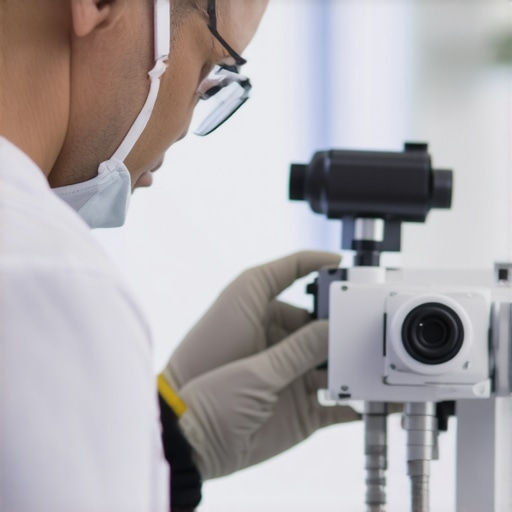
Keep Your Medical Devices Running Smoothly with Proven Strategies
Maintaining medical equipment isn’t just about routine checks; it’s about implementing precise, reliable methods that ensure long-term performance and safety. One of my personal favorites is the use of high-quality speculums with built-in sterilization indicators. These tools aid in quick, visual confirmation of proper cleaning, saving valuable time during daily protocols. Regular calibration using manufacturer-recommended procedures, combined with scheduled performance audits, can prevent costly downtime and ensure compliance with healthcare standards.
Additionally, integrating digital logging software helps track maintenance history and identify patterns that may indicate impending device failure. For example, I rely on MedTrack Pro, a software suite tailored for healthcare settings that integrates seamlessly with equipment like ultrasound devices and infusion pumps. This proactive approach minimizes unexpected breakdowns and extends the lifespan of critical tools.
How Do I Maintain Medical Equipment Over Time?
Long-term maintenance demands a structured approach: schedule routine inspections, perform timely part replacements, and keep detailed records. Staying updated with the latest advancements through resources such as industry guides ensures your protocols evolve with emerging technology. Also, consider environmental factors like humidity and temperature—using climate control solutions can safeguard sensitive devices against wear and tear.
As technology advances, I predict a shift toward AI-driven predictive maintenance, where sensors monitor device health in real-time, alerting staff before failures occur. Embracing such innovations will become essential for maintaining operational efficiency. One example is the new heated scalpels equipped with self-diagnostic features that notify users when calibration is needed, directly reducing errors during procedures.
If you’re aiming to elevate your maintenance game, I highly recommend adopting sensor-based predictive tools that provide early alerts—this proactive approach can save time, money, and ensure patient safety. Start by experimenting with a sensor-packed device like the smart refrigerator for vaccine storage, which monitors temperature fluctuations and maintenance needs continuously.
Remember, the key to effective medical device care lies in integrating precise tools, maintaining consistent protocols, and staying ahead of technological trends. By doing so, you’ll enhance reliability and ultimately improve patient outcomes.
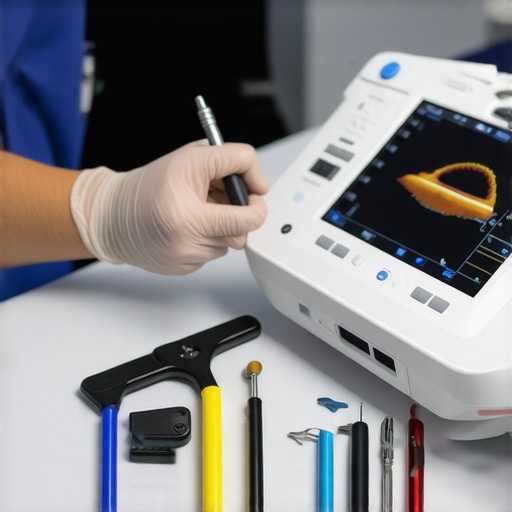
The Hidden Lesson in Equipment Lifecycles That No One Tells You
One of my most eye-opening realizations was that equipment longevity isn’t solely about brand reputation or initial investment; it deeply depends on disciplined maintenance routines and understanding the nuances of each device’s performance. I once neglected routine calibration for a critical sterilizer, believing it was still functioning well, only to find months later that its sterilization efficacy had dropped unnoticed—highlighting how small oversights can compound over time. Making it a habit to perform regular, detailed checks transformed not only my equipment’s lifespan but also the safety standards of my lab environment. This experience taught me that proactive care—embracing thorough documentation, scheduled calibrations, and environmental controls—is the real key to ensuring continuous safety and accuracy in healthcare equipment management.
Tools and Resources That Shaped My Approach to Equipment Maintenance
Over the years, I’ve curated a set of trusted tools and references that have fundamentally changed my perspective. First, I rely heavily on smart scales with error detection — they provide real-time feedback on calibration issues, saving time and preventing costly mistakes. Second, I’ve found that industry-standard calibration kits— especially those endorsed by official biomedical associations—are invaluable for maintaining accuracy. Lastly, staying updated with latest industry standards and guides keeps my procedures aligned with emerging best practices. These resources collectively help me build confidence in my maintenance routines, ensuring safety and efficiency at every step.
Embrace the Challenge: Elevate Your Equipment Care Today
Taking control of your medical equipment’s maintenance isn’t merely a task—it’s a commitment to excellence and patient safety. Imagine the peace of mind you’ll gain when each device performs reliably, thanks to proactive care and strategic use of tools like UV sterilization. Start small: incorporate routine inspections, familiarize yourself with calibration standards, and leverage innovative resources. Every confident step you take today lays the foundation for safer, more efficient healthcare tomorrow. Remember, progress begins with choosing to prioritize maintenance—your patients and staff deserve that level of dedication.
What’s your biggest challenge in maintaining medical devices? Share your experiences below, and let’s learn from each other’s journeys to better healthcare safety.