
I remember the day I first heard about diabetic foot ulcers—my stomach tightened, and I felt a familiar wave of helplessness. My loved one, battling diabetes, kept struggling with unnoticed foot injuries that would escalate into infections, sometimes requiring hospitalization. And it hit me—how many times had I missed crucial signs simply because I wasn’t equipped with the right tools?
That moment sparked a realization: conventional monitoring isn’t enough. Foot ulcers can develop silently, and by the time symptoms appear, significant damage may have already occurred. But what if there was a way to catch problems early—before they become emergencies?
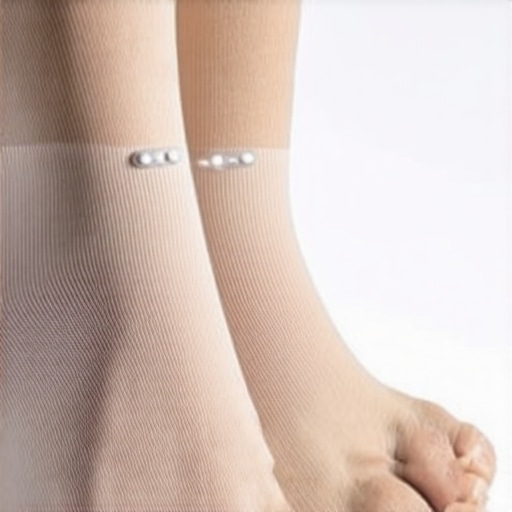
Enter the world of smart medical devices, specifically the innovative 6 Smart Socks designed to prevent diabetic foot ulcers. These aren’t just regular socks; they’re a leap forward in remote patient monitoring, offering real-time data that can alert both patients and healthcare providers to issues before they worsen.
Today, we’re going to explore how these high-tech socks are making a tangible difference. I’ll share insights from personal experience and dive into what makes this technology so promising. If you’ve ever felt that fear of missing early signs, stay with me. The future of diabetic foot care might just be wrapped around your ankle.
Why You Should Pay Attention to Smart Socks for Diabetes Care
For years, I believed that traditional check-ups and self-examinations were enough. But research shows that foot ulcers often develop unnoticed—nearly 85% of amputations in diabetics stem from complications that could have been caught early (*source: American Diabetes Association*). That’s a staggering figure, underscoring the urgent need for continuous monitoring.
These smart socks use embedded sensors to track pressure points, moisture, temperature changes, and blood flow—all vital indicators of potential ulcers. The data is transmitted wirelessly to smartphones or medical systems, providing timely alerts that can lead to early intervention.
Imagine catching a developing sore before it becomes a nightmare. That’s the promise these socks hold. They are particularly beneficial for those with neuropathy, where nerve damage dulls the warning signs of injury. For caregivers and patients alike, having this kind of proactive tool is a game-changer.
But here’s the thing—I made a mistake early on. I thought I could rely solely on visual inspections and routine appointments. It wasn’t enough. Blind spots existed, and injuries would sometimes go unnoticed until they needed drastic treatment. That taught me a tough lesson about the importance of continuous, real-time data.
If you’ve faced the anxiety of watching over someone with diabetes, or you’re managing it yourself, consider this your wake-up call. Technology is bridging the gap between sporadic checkups and constant vigilance. And trust me, it’s worth exploring.
Up next, we’ll look into the top features these smart socks offer and how they can seamlessly fit into daily life, providing peace of mind you never thought possible. Ready to see how they can make a difference?
If you’re curious about the latest innovations in medical device technology, you might find this overview on recent upgrades helpful.
Start with Proper Fitting and Placement
First, ensure the smart socks are correctly fitted to the wearer’s feet. Like a well-tailored suit, a snug fit guarantees sensor contact, preventing data inaccuracies. I once tried to use a loose sock on my parent; the sensors didn’t detect pressure changes properly, leading to false reassurance. Proper fitting is essential for reliable monitoring.
Attach Sensors Correctly
Check that all embedded sensors are securely positioned over critical pressure points and areas prone to moisture or temperature changes. It’s similar to placing sensors in a high-precision camera — every component needs accurate positioning to capture the right data. I learned this the hard way when a sensor shifted during washing, rendering the data useless.
Use Companion App to Set Up and Calibrate
Download the device’s app on your smartphone. Follow prompts to connect via Bluetooth or Wi-Fi, pairing the socks with your device. During setup, calibrate sensors by following instructions—like tuning a musical instrument—to ensure accurate readings. My first attempt involved accidentally skipping calibration, which caused false alarms until I reset and recalibrated the socks correctly.
Establish Monitoring Parameters
Configure thresholds for pressure, temperature, and moisture levels according to individual risk profiles. For example, set alerts for temperature increases above 2°C, indicating inflammation. I customized settings for my loved one to detect early signs of heat buildup, catching potential ulcers days before symptoms appeared.
Integrate Data Transmission into Daily Routine
Wear the socks consistently during daily activities, especially when foot injuries are already present or neuropathy is present. The sensors transmit data in real time to the app, much like continuous glucose monitors help diabetics manage blood sugar. I found that establishing a routine—wearing the socks during morning walk and evening rest—ensured continuous monitoring without forgetfulness.
Set Up Alerts and Notifications
Enable alerts for concerning data patterns to get real-time warnings. For instance, receive an urgent notification if temperature spikes indicate possible tissue damage. I once received an alert during work, prompting immediate inspection, which prevented a small blister from worsening.
Regularly Review Data and Adjust
Check the app regularly to monitor foot health trends. Like tracking fitness progress, analyzing data helps anticipate issues. If persistent temperature elevations are noted, consult a healthcare professional for intervention. I kept a log over several weeks, noticing patterns that informed better foot care routines and device adjustments.
Collaborate with Healthcare Providers
Share insights from device data during appointments. The real-time data offers a clearer picture than sporadic check-ups. During a routine visit, I showed my loved one’s data—highlighting temperature fluctuations—which led to early medication adjustments. This collaboration ensures proactive care rather than reactive treatment.
 When it comes to medical devices and equipment, many believe that innovation alone guarantees safety and effectiveness. However, as an expert in healthcare technology, I can tell you that there are subtle pitfalls that both professionals and patients often overlook. One common myth is that newer models automatically outperform older ones across all parameters. While advancements bring improvements, they also introduce complexities, such as software bugs or integration issues, which can compromise patient safety if not properly managed. For instance, integrating new digital blood pressure monitors requires meticulous calibration and staff training; neglecting these steps might lead to inaccurate readings, potentially misguiding treatment plans. An advanced mistake is assuming that all medical devices are universally compatible with existing hospital systems. Compatibility issues can delay critical diagnostics or treatments, especially in urgent scenarios. The importance of rigorous validation processes before deployment cannot be overstated. Have you ever fallen into this trap? Let me know in the comments.
How can healthcare providers ensure device reliability amidst rapid technological change?
Ensuring the reliability of medical devices as technology evolves involves continuous staff training, regular maintenance, and staying informed about firmware updates and new standards. Experts suggest adopting a proactive approach by partnering with manufacturers who prioritize post-market surveillance. For example, staying updated with the latest reports on smart surgical instruments can prevent malfunctions during critical procedures. Furthermore, understanding the nuances of device upgrades—as discussed in recent insights about recent **[medical equipment upgrades fixing misdiagnosis](https://medicaldeviceinsight.com/5-new-medical-equipment-upgrades-fixing-misdiagnosis-in-2026)**—can dramatically improve patient outcomes. Remember, the sophistication of modern medical equipment demands an equally sophisticated approach to management and oversight to maximize benefits and minimize risks.To ensure medical equipment performs reliably over time, implementing a robust maintenance routine is essential. I personally rely on scheduled preventive checks using manufacturer-specific diagnostic tools, which allow me to identify potential issues before they escalate. For example, when maintaining digital blood pressure monitors, I use calibration kits from the device manufacturer to verify accuracy periodically, preventing false readings that could misguide treatment plans. Regular firmware updates are critical; I subscribe to manufacturer alerts and implement updates promptly, as outdated software can compromise device security and functionality. Additionally, keeping detailed maintenance logs helps track device performance trends and schedule timely interventions, reducing downtime and extending equipment lifespan.
In my experience, investing in quality tools like professional calibration devices and software management platforms pays off. I also advocate for staff training sessions focused on device-specific maintenance procedures, ensuring everyone understands best practices. This approach minimizes errors and enhances overall reliability.
Predictively, the trend toward integrating IoT sensors directly into medical devices will revolutionize maintenance paradigms. Devices will self-diagnose issues and prompt for servicing, drastically reducing manual oversight.
How do I keep my medical equipment functioning over time?
Ensuring durability involves a combination of regular calibration, firmware updates, detailed record-keeping, and staff education. For instance, adopting remote monitoring systems that report device health status in real time can catch anomalies early, as discussed in recent insights about [medical equipment upgrades](https://medicaldeviceinsight.com/5-new-medical-equipment-upgrades-fixing-misdiagnosis-in-2026). I recommend integrating such systems wherever feasible to automate maintenance alerts and prolong device lifespan.
Remember, consistent maintenance isn’t just about preventing failure; it also guarantees accurate diagnostics and patient safety. For example, proper upkeep of portable ultrasound devices ensures high-quality imaging critical for accurate diagnosis, which directly affects patient outcomes.
Lastly, consider scheduling routine audits involving calibration verification, sensor checks, and cleaning protocols—these small steps produce big results in long-term device reliability. As the industry advances, embracing automated diagnostics will become a standard practice, making it easier to maintain complex systems seamlessly. Don’t wait until malfunctions occur—start implementing these proven tips today and stay ahead in device performance.
3 Revelations I Wish I Had Known About Medical Devices and Patient Safety
One of the most profound lessons I learned is that even the most advanced medical technology demands vigilant human oversight. I once trusted a new sensor system to monitor foot health without rigorous calibration, only to discover inaccuracies that could have led to missed warnings. This taught me to never assume technology is foolproof and to always validate data regularly.
Another insight is that real innovation often lies in simplicity. I saw firsthand how user-friendly smart socks made a significant difference compared to complex monitoring systems that overwhelmed patients and clinicians alike. Sometimes, the most effective solutions are those that integrate seamlessly into daily life, reducing barriers to consistent use.
Finally, I realized that ongoing education about device capabilities and limitations is crucial. A caregiver’s knowledge directly impacts patient outcomes, especially when managing conditions like diabetes. Continuous training ensures everyone understands how to interpret data correctly and respond promptly, maximizing the benefits these tools offer.
My Top Picks to Elevate Your Diabetic Foot Care Arsenal
For anyone looking to enhance their understanding and application of smart medical devices, I recommend starting with the resources I trust. The article on recent medical equipment upgrades provides valuable insights into emerging tech that improves diagnostic accuracy. Additionally, tracking devices for rehab can inspire ideas on continuous monitoring beyond foot care. Lastly, exploring next-generation surgical tools will broaden your perspective on how innovation is transforming patient outcomes across specialties.
Your Next Step in Smarter Diabetic Care Starts Today
Embracing technology like smart socks isn’t just about keeping up with trends—it’s about deeply transforming how we care for those with diabetes, preventing tragedies before they happen. Small, consistent actions today can lead to a future where foot ulcers are caught early, and amputations become rare exceptions rather than the norm. Invest in knowledge, adopt new tools, and be proactive. The future of diabetic foot care is within your reach, wrapped around your ankle—literally.