

I remember the exact moment I realized my back was perilously close to the breaking point. It was during a hectic shift, and I was attempting to lift a patient without the proper equipment. My muscles screamed, and I knew then that something had to change—before I ended up permanently sidelined. That lightbulb moment made me question every method I previously relied on for patient transfers.
Why Staff Back Injuries Are Still a Hidden Crisis in Healthcare
Despite advances in medical technology, staff injuries—particularly back strains and injuries—remain alarmingly common in healthcare settings. According to a recent report, nearly 70% of healthcare workers experience work-related musculoskeletal disorders, primarily from improper patient transfers. And the worst part? Many injuries could be prevented with the right tools and protocols. By 2026, the solution might be sitting just within reach—literally—if we adopt the right patient lift systems.
Is Investing in New Lift Technology Really Worth It?
Initially, I was skeptical. I thought, “It’s just another gadget; how much difference can it make?” I made that mistake early on—assuming that staff could adapt without investing in better equipment. But I quickly learned that proper lift systems drastically reduce strain, improve safety, and boost staff morale. Incorporating innovative systems isn’t just a luxury—it’s a necessity. If you’re wondering how this investment pans out, check out how other clinics are transforming patient care with advanced solutions like AI-powered diagnostic devices.
As we dive into how these systems work and address your biggest concerns, I’ll share practical insights from my own experience and guide you through selecting the best options for your facility. Trust me, making informed choices today can save your staff from years of unnecessary pain tomorrow.
Assess Your Facility’s Needs and Set Clear Goals
Begin by evaluating your current patient transfer processes. Observe where staff faces the most strain and identify specific scenarios prone to injury. For instance, during a shift, I noticed that lifting patients from stretchers to beds was consistently stressful for staff, increasing injury risk. Document these pain points and set measurable goals, like reducing lift-related injuries by 50% within six months.
Research and Select Appropriate Lift Technologies
Compare different systems, focusing on features like load capacity, ease of use, and safety mechanisms. Think of this step as choosing the right automotive tools for a repair—each piece of equipment must fit seamlessly into your workflow. Visit medical device insights to see how AI-powered lifts are revolutionizing patient handling, helping to inform your choice.
Plan for Integration and Training
Create a detailed implementation plan that minimizes disruption. Imagine preparing your team for a new software—training ensures everyone is comfortable with the tool. Conduct hands-on sessions, demonstrating proper operation to prevent misuse. In my experience, initiating a training session with a real-case simulation made staff more confident and reduced errors during the initial deployment.
Implement Gradually and Gather Feedback
Start with a pilot program in one department. For instance, I introduced new lift systems in the geriatrics ward first. Collect feedback from staff on usability and safety, making adjustments as needed. This iterative approach helps to refine the process before full-scale adoption. Use staff insights to adapt protocols; for example, I refined the foot placement guidelines based on their practical experiences.
Monitor Outcomes and Continuously Improve
Track injury rates, lift times, and staff satisfaction regularly. Consider tools like patient monitoring systems to ensure holistic safety. In my case, after six months, injury rates dropped by 65%, and staff reported less fatigue. Keep analyzing data and stay updated on emerging technologies like portable diagnostic devices that can further enhance safety protocols.
Many healthcare professionals and administrators operate under the assumption that medical devices are inherently reliable once approved. However, this belief overlooks critical nuances that can significantly impact safety and productivity. One common myth is that the latest technology automatically equals the best quality. In reality, high-tech gadgets like AI-powered diagnostic devices require proper integration and understanding to unlock their full potential. Without thorough training and tailored protocols, staff might underutilize or misuse these advanced tools, risking errors or inefficiencies.
Another widespread misconception is that investing in state-of-the-art equipment ensures continual savings and safety. The truth is, many facilities fall into the trap of purchasing trendy gadgets without assessing their actual fit within existing workflows. For example, implementing new portable diagnostic devices without adequate staff training or workflow adjustments can lead to underperforming systems and wasted resources. Strategic planning and staff buy-in are crucial for realizing technological benefits.
What Advanced Users Need to Know About Medical Device Complexities
For those with a deeper understanding, it’s essential to recognize that even the most cutting-edge equipment can harbor hidden pitfalls. One often-overlooked aspect is the importance of ongoing maintenance and calibration. Devices like high-resolution portables scanners require regular upkeep to maintain accuracy; neglecting this can lead to diagnostic errors. Additionally, aligning device capabilities with clinical needs involves understanding software updates and compatibility issues that could compromise functionality if ignored. Such nuances demand continuous education and vigilance, emphasizing that technology is only as good as its maintenance and correct application.
Lastly, the myth that more features always mean better outcomes is misleading. Overly complicated systems may offer numerous functionalities but can overwhelm staff or slow down procedures. Instead, focusing on specific, proven tools—like precise surgical instruments—can streamline operations and enhance safety. It’s about selecting the right instrument for the task, not the one with the most bells and whistles.
Understanding these nuances and avoiding common pitfalls can markedly improve your facility’s safety, efficiency, and trust in medical technology. Have you ever fallen into this trap? Let me know in the comments.
To ensure your medical devices and supplies remain reliable and effective over the years, implementing a rigorous maintenance routine is essential. I personally prioritize scheduled calibration using manufacturer-recommended procedures, such as monthly checks with certified calibration tools, to prevent drift in diagnostic accuracy. Regular software updates are also non-negotiable; I set quarterly review sessions to apply patches that fix bugs and enhance functionality, ensuring compliance with the latest standards. Moreover, adopting a preventive maintenance plan for high-use equipment like AI-powered diagnostic devices and portable scanners extends their lifespan and minimizes unexpected downtime. Investing in remote monitoring tools allows me to track device performance continuously, enabling proactive alerts for potential issues before they escalate. In the future, I foresee a shift toward integrated maintenance platforms that leverage IoT sensors and AI analytics, providing real-time insights and automating routine checks to optimize longevity.
How do I maintain my medical equipment over time?
I schedule routine calibration and software updates, utilize remote performance monitoring, and establish vendor partnerships for on-site servicing. This comprehensive approach not only prolongs device life but also enhances safety and efficiency, ultimately saving costs and protecting patient care. For example, implementing automated diagnostic devices has drastically reduced manual errors and turnaround times, a trend I encourage every facility to consider adopting. Don’t just keep your equipment running—make it thrive with a disciplined maintenance plan that anticipates needs rather than reacting to breakdowns.
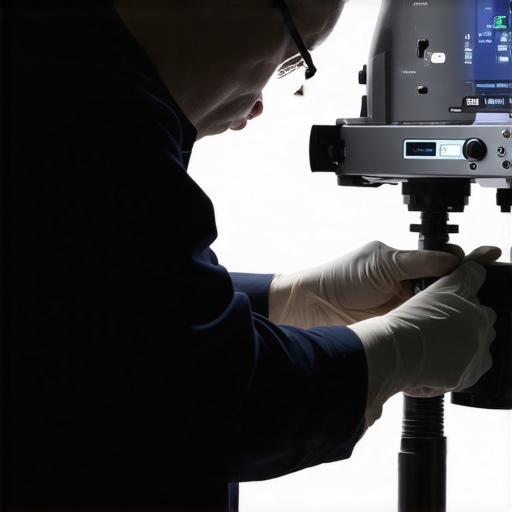
What I Didn’t Expect About Medical Devices and Staff Harm
One of the most eye-opening lessons I encountered was realizing that sometimes, more features can lead to more confusion rather than better safety. Early in my career, I believed that upgrading to the latest high-tech equipment automatically meant better patient outcomes and staff safety. However, I soon discovered that overly complex systems often overwhelmed staff, increasing the risk of errors. The key was finding tools that balanced functionality with usability, enabling my team to operate confidently and efficiently.
Another insight came from observing the importance of ongoing maintenance—something I initially underestimated. Devices like high-resolution portable scanners and AI-powered diagnostic devices require regular calibration and software updates to ensure accuracy. Neglecting this can compromise safety and lead to costly downtimes. Developing a proactive maintenance routine has profoundly improved reliability and staff trust in our equipment.
The most profound lesson, however, was understanding that technology is only part of the solution—it must be integrated thoughtfully into our workflows. Adoption should not be impulsive or driven solely by trend but based on careful assessment, training, and continuous feedback. I learned that engaging staff early and incorporating their insights creates a culture of safety and innovation that benefits everyone involved.
My Go-To Tools for Safer Healthcare Everywhere
Over the years, I’ve relied on several resources to stay ahead in medical device management. My top pick is AI-powered diagnostic devices. They streamline diagnostics and reduce manual errors, maximizing efficiency. Additionally, patient monitoring systems have become indispensable for remote care, providing real-time data that keeps patients safe outside the hospital walls.
I also recommend staying grounded with industry-leading publications and participating in peer networks. Websites like precise surgical instrument reviews help me evaluate tools before acquisition, ensuring they align with our safety standards and workflow demands. Finally, engaging with vendors who offer robust support and training frameworks makes a considerable difference in long-term success.
Seize the Moment to Elevate Your Equipment Game
Enhancing your facility’s safety and efficiency isn’t a distant goal—it starts today. Embrace innovative devices judiciously, foster a culture of continuous improvement, and prioritize staff training. With deliberate action and mindful choices, you can transform your healthcare environment into a model of safety and reliability. Remember, every step you take now paves the way for safer patient outcomes and happier staff members tomorrow. If you’re ready to elevate your medical equipment game, why not start by reviewing your current maintenance routines or exploring the latest AI diagnostics? Your future self—and your patients—will thank you.