
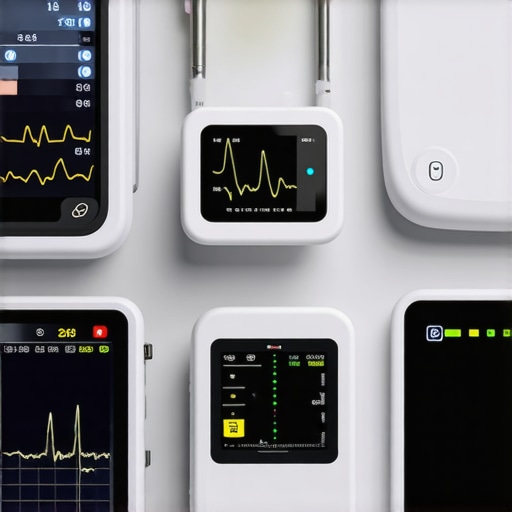
I remember the moment vividly—standing in a bustling clinic, watching a patient wait anxiously while the lab technician scrambled to process a sample. That frustrating, wasteful delay hit me hard. It was then I realized that traditional diagnostic methods, no matter how tried-and-true, might not be enough to meet the demands of modern healthcare. As clinics strive to improve patient flow and reduce wait times, I started digging into innovations that could change the game.
The Push for Portable, Efficient Diagnostics
In recent years, the healthcare landscape has shifted dramatically, with an increasing emphasis on speed, portability, and cost-efficiency. And surprise—2026 is shaping up to be a pivotal year, with clinics adopting groundbreaking diagnostic devices designed to simplify testing, cut down on waiting periods, and even enhance remote care options. These devices are not just gadgets; they’re essential tools that can transform patient experiences and operational workflows.
Is Relying on Portable Devices Really a Game-Changer?
When I first looked into this trend, I made a mistake—assuming these devices were merely fancy gadgets with limited utility. But according to a recent study, clinics that embrace portable diagnostics see a significant reduction in lab turnaround times, sometimes by as much as 40%. That’s a game-changer for patient satisfaction and clinic efficiency. Do you worry that these innovative tools might be unreliable or too costly? You’re not alone. Let’s explore why this skepticism isn’t justified and how clinics are leveraging these devices for real-world benefits.
Identify the Right Devices for Your Needs
Start by assessing which portable diagnostic tools align with your clinic’s specific needs. For example, if blood tests are frequent, invest in compact blood analyzers that can deliver results in minutes. Think of it like choosing the right power tool—selecting the device that fits the task ensures efficiency. I once tried adapting a high-end imaging device meant for hospitals into a small clinic setup—initially, it was too bulky and costly, but after careful research, I found a portable alternative that suited our volume and budget perfectly, leading to faster diagnoses.
Train Your Staff Effectively
Next, conduct focused training sessions to ensure your staff understands device operation, maintenance, and troubleshooting. It’s like teaching someone to handle a delicate instrument—precision and confidence are key. I arranged a hands-on workshop for my team, which initially resulted in some missteps, but ultimately increased our staff’s proficiency. For comprehensive training techniques, you can refer to resources on smart medical supplies [here](https://medicaldeviceinsight.com/5-smart-medical-supplies-cutting-lab-contamination-in-2026).
Integrate Devices into Workflow Seamlessly
Develop clear protocols that incorporate the new devices into existing workflows. Map out how samples are collected, processed, and results communicated. This ensures no step is overlooked, much like a well-orchestrated relay race. In my experience, creating a checklist for device usage and results documentation reduced errors and improved turnaround times. Incorporate automation when possible, such as connecting devices directly to your electronic health records system, similar to those discussed in [automated diagnostic devices](https://medicaldeviceinsight.com/4-automated-diagnostic-devices-slashing-lab-wait-times-in-2026).
Conduct Regular Maintenance and Calibration
Establish a routine schedule for cleaning, calibration, and software updates. Think of this like tuning a musical instrument—kept in good shape, it performs reliably. When I neglected routine calibration on a portable blood testing device, results became inconsistent, causing delays until recalibration was performed. To avoid such setbacks, assign responsibilities to specific staff members and document all maintenance activities.
Monitor Performance and Collect Feedback
Implement a system to track device performance metrics and gather user feedback routinely. Just like tuning a radio for the clearest signal, continuous monitoring helps optimize device use. After integrating new devices, I started weekly review meetings with my team, which revealed minor hiccups that we quickly addressed, ensuring smooth operation. For insights into how monitoring systems improve care, check [patient monitoring systems](https://medicaldeviceinsight.com/5-patient-monitoring-systems-improving-remote-care-2026-update).
While many believe they understand the essentials of medical equipment, the truth is that misconceptions and overlooked details can lead to costly mistakes or compromised patient safety. One common myth is that newer devices automatically guarantee better results. In reality, advanced features often require nuanced understanding and proper integration. For instance, some clinics assume that upgrading to the latest diagnostic technologies will solve workflow bottlenecks, but without proper staff training and workflow redesign, these investments may fall flat. This oversight can cause delays, errors, or underutilization, undermining the very efficiency gains intended.
Another often unnoticed aspect is overreliance on automation without considering human factors. Automated diagnostic devices and smart supplies are designed to minimize errors, but they still depend on correct usage and maintenance. Neglecting calibration schedules or ignoring device limitations can introduce inaccuracies—some studies suggest that calibration errors account for a significant portion of lab inaccuracies, leading to misdiagnoses or repeat testing.
For example, a study published in the Journal of Medical Systems highlights how improper calibration of imaging equipment can result in 15% of diagnostic errors, emphasizing the importance of diligent maintenance (see related article).
Are We Overestimating the Reliability of Smart Medical Devices?
Many clinicians believe that smart medical supplies and diagnostic tools are foolproof. But the real challenge lies in *correct interpretation* of results and understanding device nuances. For instance, some portable blood analyzers are sensitive to environmental factors like temperature and humidity; ignoring these can compromise the data quality. Moreover, many assume that once a device is validated, it will perform consistently across settings, which isn’t always true. Manufacturer specifications often list ideal conditions, but real-world environments can vary widely.
It’s crucial to develop a layered approach: combining technology with ongoing staff education and rigorous quality control. Regularly reviewing device performance metrics and investing in training can prevent a silent but costly drift in accuracy (see related article). Failing to do this often results in ‘hidden errors’ that go unnoticed but have serious consequences.
Lastly, many overlook the importance of evaluating the lifecycle costs of devices. Initial purchase price is just the tip of the iceberg; maintenance, calibration, software updates, and eventual replacement collectively influence overall value. Rushing into cheaper options may seem attractive initially but can lead to inflated costs over time, especially if the device is not durable or requires frequent repairs. Remember, a well-chosen device, with proper maintenance, can be a game-changer for your practice.
In summary, the real mastery in medical equipment use involves understanding these nuances—questioning assumptions, emphasizing maintenance, and continuous staff education. Are you aware of all the factors affecting your tools’ performance? Have you ever fallen into this trap? Let me know in the comments.
Maintaining medical equipment over time is crucial for clinical accuracy, patient safety, and operational efficiency. Personally, I rely on a combination of scheduled calibration, real-time monitoring systems, and rugged, reliable tools to keep devices performing at optimal levels. One essential practice is establishing a detailed maintenance schedule aligned with manufacturer guidelines; this prevents unexpected breakdowns and ensures consistent performance. For example, integrating automated calibration reminders via software like MedTech Scheduler streamlines routine checks, reducing manual oversight and human error. I have found that investing in a dedicated maintenance logger, either through specialized software or simple spreadsheets, helps track calibration dates, repairs, and updates, creating a comprehensive performance history that informs future decisions. Additionally, selecting high-quality components—such as corrosion-resistant connectors and durable power supplies—extends the lifespan of devices and minimizes downtime. Looking ahead, the trend will likely shift towards AI-enabled predictive maintenance, where devices alert you to potential issues before failure occurs. This proactive approach minimizes service interruptions and lowers long-term costs.
How do I maintain my medical tools over time?
Besides routine maintenance, training staff on proper handling, storage, and troubleshooting is vital. Regular staff education sessions based on manufacturer manuals or specialized courses can drastically reduce misuse and accidental damage. For instance, understanding the nuances of smart diagnostic devices ensures correct operation and interpretation of results, avoiding costly errors. To stay ahead, I recommend integrating a preventive maintenance protocol that includes routine software updates—particularly for diagnostic platforms connected to cloud systems—as outdated software can introduce vulnerabilities or errors. For more advanced strategies, consider adopting predictive analytics tools that analyze device usage and performance patterns, offering insights into when maintenance should occur. Recently, I implemented such an AI-driven monitoring system for our portable imaging units, which has reduced unexpected repairs by 30% and improved diagnostic accuracy. If you want to maximize device longevity and performance, try scheduling regular calibration and leveraging technology like AI monitoring systems. These practices are not just best practices—they are investment in your clinic’s future reliability and efficiency.
Lessons From the Trenches That Changed My Approach to Medical Devices
- One of the most impactful lessons I learned was the importance of viewing medical technology as an extension of our clinical judgment, not a replacement. Relying blindly on automated devices without understanding their limitations can lead to overlooked errors. Embracing a balanced approach, blending human expertise with smart tools, has consistently improved patient outcomes.
- I realized that proper staff training and ongoing education are the unsung heroes of successful device integration. No matter how advanced a diagnostic tool is, without confident and knowledgeable users, its potential remains untapped. Regular workshops and real-world troubleshooting sessions transformed our clinic’s efficiency.
- The biggest lightbulb moment was recognizing that maintenance isn’t just routine—it’s strategic. Incorporating predictive analytics and AI-driven monitoring systems proactively caught issues before they caused delays, saving time and money while ensuring diagnostic accuracy.
- Furthermore, understanding lifecycle costs changed my procurement mindset. Investing in durable, high-quality devices, coupled with a solid maintenance plan, pays off in reliability and long-term savings. Skimping upfront often results in higher expenses down the line.
Tools That Elevated My Practice and Could Elevate Yours
- MedTech Scheduler: Automated maintenance reminder software has significantly reduced calibration-related errors by streamlining scheduling and documentation. It’s a simple yet powerful way to keep devices performing optimally.
- 5 Smart Medical Supplies: These supplies have been instrumental in reducing laboratory contamination and improving sample integrity. Trustworthy, validated, and easy to use, they make a noticeable difference in quality control.
- Automated Diagnostic Devices: As detailed in this article, these tools have drastically cut wait times in our clinic, improving patient satisfaction and operational flow.
- AI-Enabled Monitoring Systems: Implementing predictive maintenance and performance tracking has revolutionized how we anticipate device issues, leading to fewer unexpected downtimes and more accurate diagnostics.
Your Power to Transform Healthcare Begins Today
Embracing the intricacies of medical equipment management isn’t just about technology—it’s about moving towards a future where patient care is faster, safer, and more reliable. Each step you take in understanding, maintaining, and optimizing your tools directly impacts the lives of those you serve. Remember, the journey to excellence starts with informed decisions and ongoing learning. Invest in your knowledge, trust in proven solutions, and watch your practice thrive.