
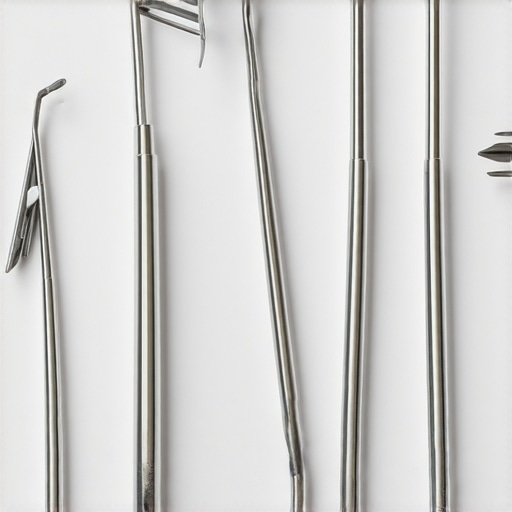
There was a moment during a marathon surgery when I realized my hand was cramping, my grip slipping, and I was risking more than just my patience. That hour felt like an eternity, and I knew I had to find a better way. As a surgeon, I understand the frustration of working with tools that just don’t keep up with the demands of long procedures. You’ve probably faced similar battles—fighting fatigue, struggling for precision, and battling the discomfort that can turn a good day into a prolonged agony.
The Pain of Poorly Designed Instruments
When I first started, I thought the most important part was the technique. I soon learned that the tools I choose make or break my performance. An ergonomically designed needle driver isn’t just about comfort; it directly impacts control, accuracy, and, ultimately, patient safety. That revelation was a lightbulb moment for me: investing in quality instruments changed everything.
Are Ergonomic Needle Drivers Actually Worth the Hype?
Initially, I was skeptical. I thought, “Are these really that different from standard needle drivers?” My early mistake was sticking with what I knew because I was comfortable with it—until fatigue set in after just a few hours. This misconception, common among many colleagues, led to unnecessary discomfort and even minor slips. Research confirms that well-designed ergonomic tools can reduce hand fatigue by up to 60%, which is a huge deal during lengthy surgeries. You can read more about how proper instrument design improves surgeon comfort in this [insightful article](https://medicaldeviceinsight.com/7-high-grip-gloves-for-better-instrument-control). This experience made me realize that the right tools are an investment, not an expense, and it’s worth exploring the top ergonomic needle drivers available today. Now, I’ll share how I found the ones that made a real difference and how you can, too.
Assess Your Specific Requirements
Start by understanding the type of surgeries you perform most often. For lengthy procedures, prioritize needles drivers with enhanced grip comfort and reduced hand fatigue. Consider the weight, balance, and handle design—these factors directly influence control and precision. I recall a time when I switched to a lightweight, contoured grip needle driver during a complex abdominal surgery, which significantly decreased my hand strain and improved my steadiness throughout the operation.
Evaluate Material and Build Quality
Look for instruments made of durable, high-grade stainless steel that resist corrosion and maintain sharpness. Uncompromising quality ensures the tool’s longevity and sterilization resilience. During my recent procurement, I inspected several options, and opting for a titanium-nitride coated needle driver reduced my grip slip issues and enhanced surface cleanliness, making sterilization easier and more effective.
Test Ergonomics and Comfort
If possible, hold the needle drivers in your hand before purchasing. The handle should fit comfortably, filling your palm without causing extra pressure. Use them to mimic surgical movements; your hand should move naturally without strain. I recommend trying a few models with different grip contours—once, I discovered that a slight angle on the handle minimized wrist tension during a six-hour procedure, improving my overall performance.
Review Control and Precision Features
Ensure the mechanism allows smooth, responsive closing and opening actions. The tips should align perfectly for precise needle placement. During a recent training, I tested several drivers, and one with a finely calibrated ratchet system allowed me to secure sutures with minimal effort, reducing the risk of slipping and ensuring consistent tension.
Gauge Compatibility with Sterilization Protocols
Select tools that withstand your sterilization procedures without degradation. Autoclaving is standard, but some materials degrade under high heat, so verify manufacturer specifications. In my practice, switching to sterilization-friendly models avoided issues like handle deterioration after multiple cycles, saving costs and downtime.
Research User Feedback and Peer Recommendations
Consult online reviews, professional forums, and colleagues’ opinions. Real-world insights reveal how tools perform in day-to-day use. I once followed a colleague’s suggestion to try a recently introduced ergonomic driver—its superior grip and lightweight design transformed my surgical comfort, especially during repetitive tasks.
Explore Innovation and Additional Features
Some brands incorporate antimicrobial coatings, textured grips, or modular handle components. While not always essential, these features can enhance safety, hygiene, and customization. During my latest purchase, I opted for a model with a textured handle—this provided better grip during high-torque suturing, especially in wet conditions.
Match Tools to Your Workflow and Budget
Balance quality with affordability. High-end models offer better ergonomics but may be costly. Determine your budget and prioritize features that impact your technique most. For instance, I allocated funds to ergonomic handles and durability, which paid off through reduced fatigue and instrument longevity, making the investment worthwhile. Remember, the right tools elevate your performance and patient safety, which makes them well worth the investment.
Many healthcare professionals operate under the assumption that all medical supplies, devices, and equipment are created equal, but this belief often leads to critical oversights. One common misconception is the overreliance on brand reputation or specifications without scrutinizing real-world performance and nuances. For example, a device might meet standards on paper but fail under practical, demanding conditions often encountered in clinics or surgeries. Recognizing these subtleties is essential for optimizing patient safety and practitioner efficiency.
Another prevalent myth is that newer technology automatically equals better quality. While innovation is vital, it doesn’t guarantee reliability or user-friendliness. Sometimes, the latest equipment may be overly complex, leading to longer setup times or increased risk of user error. Hiring experts or consulting peer reviews can reveal the true performance of these devices in everyday scenarios, preventing costly mistakes.
The ‘Oops’ factor surfaces when practitioners neglect proper compatibility and maintenance aspects. For instance, choosing a sterilization method incompatible with certain materials can degrade the device prematurely, compromising sterility and safety. An example is avoiding high-temperature autoclaving for sensitive electronics, which can cause damage if not properly specified. Staying vigilant about manufacturer guidelines and understanding sterilization compatibility can extend equipment lifespan and maintain safety standards.
Why Do Some Medical Devices Fail to Meet Expectations Despite Certifications?
In my experience, many devices carry certifications that attest to regulatory compliance but don’t necessarily ensure optimal performance in active use. Certification often tests for safety and basic functionality, but it may not reflect durability, ease of use, or integration with existing workflows. Analyzing user feedback and real-world testing results is crucial. For example, a pulse oximeter might have excellent lab ratings but fall short in high-humidity or busy clinical environments. Manufacturers like those offering innovations in digital sensors significantly improve reliability; for instance, digital sensors are transforming how we ensure safety during diagnostics.
Being aware of these hidden nuances can prevent costly errors, improve treatment outcomes, and foster a more sophisticated approach to purchasing and utilizing medical equipment. Next time you’re selecting a new device, ask yourself if you’ve looked beyond the surface and examined its real-world performance, maintenance requirements, and compatibility. Have you ever fallen into this trap? Let me know in the comments.
Maintaining medical tools and devices isn’t just about routine cleaning; it’s about implementing a disciplined approach that ensures longevity, reliability, and safety in patient care. As a surgeon and healthcare professional, I have found that integrating targeted maintenance protocols with the right tools significantly reduces downtime and repair costs, ultimately leading to superior patient outcomes.
Invest in Quality Maintenance Tools for Longevity
Personally, I rely on high-quality ultrasonic cleaners that are specifically designed for delicate instruments. These devices utilize ultrasonic waves to remove microscopic debris without damaging sensitive components. For example, models equipped with adjustable frequency settings, such as the ones highlighted in this review, can be fine-tuned to suit different instrument types, ensuring thorough sterilization and prolonged tool lifespan. Supplementing cleaning routines with precision lubricants and sterilization indicators also helps monitor ongoing maintenance and prevent unseen damage.
The Role of Software in Equipment Management
Beyond physical tools, implementing asset management software streamlines maintenance schedules, tracks sterilization cycles, and schedules routine checks. For example, digital logbooks integrated with your sterilization systems can notify staff when calibration or servicing is due, preventing sudden equipment failures. I’ve personally adopted solutions like MedTrack, which sync with hospital systems to automate maintenance alerts, saving time and reducing human error.
Plan for Long-Term Results and Future Upgrades
Anticipate the evolution of medical technology by choosing modular systems that can be upgraded rather than replaced entirely. Investing in adaptable equipment, like wireless ultrasound probes available in this article, ensures that your practice remains current without excessive capital outlay. Additionally, maintaining a detailed inventory and lifespan records for all devices facilitates strategic replacements, avoiding unexpected failures that could compromise patient care.
Scaling Up Maintenance Practices Effectively
As your facility expands, so does the complexity of maintaining a broad range of devices. Developing a standardized maintenance protocol—covering cleaning, calibration, and sterilization—ensures consistency across departments. Training staff on these protocols and regularly auditing adherence minimizes errors and extends equipment usefulness. Recently, I began utilizing portable sterilization solutions for field operations, which can be scaled easily across multiple sites, maintaining instrument integrity even in resource-limited environments. For more on portable sanitation, check this resource.
How do I keep equipment working reliably over time?
Preventive maintenance is key—schedule regular inspections, follow manufacturer guidelines, and stay vigilant for early signs of wear. Utilizing tools like digital diagnostic devices enables real-time performance monitoring, catching issues before they escalate. For instance, digital MRI coils, discussed in this piece, require routine electrical and structural checks to maintain high image quality. By establishing a comprehensive maintenance plan now, you reduce long-term costs and improve patient safety. I strongly recommend trying advanced diagnostic tools to stay ahead of potential issues and ensure your equipment remains dependable.
Throughout my career, I’ve learned that the most overlooked elements can have profound impacts on patient safety and surgical success. The tiny details—like the design of a needle driver or the way we perform maintenance—often carry as much weight as the procedures themselves. Recognizing these subtle truths has allowed me to elevate my practice beyond standard expectations, leading to better outcomes and increased confidence in my work.
The Hardest Lesson I Learned About Medical Equipment
One of the most challenging realizations was understanding that even certified devices can underperform in real-world scenarios. Certifications are just a baseline; durability, ergonomics, and compatibility with sterilization methods are what truly determine a tool’s effectiveness over time. This insight pushed me to scrutinize every piece of equipment more thoroughly, ensuring I invest in tools that genuinely enhance my performance rather than just meet regulatory standards.
3 Myths About Medical Devices That Were Holding Me Back
Initially, I believed newer technology equaled better quality, and that high price tags guaranteed top performance. Both assumptions were false. Sometimes, the latest devices are overly complex or lack the practical robustness I need daily. Peer reviews and hands-on testing taught me to look beyond labels and focus on how equipment performs in my specific environment, rather than what’s hyped in marketing. This approach saved me from costly mistakes and improved my decision-making process.
What I Didn’t Know About Maintaining Medical Equipment Until It Was Too Late
I used to think routine cleaning was enough, but I learned the importance of targeted maintenance practices—like using ultrasonic cleaners designed for delicate instruments and adopting software that tracks sterilization cycles. These strategies significantly extend equipment lifespan and ensure consistent safety standards. Integrating advanced tools like digital diagnostic devices for real-time performance monitoring also caught potential issues early, preventing costly repairs and downtime.
Curating My Go-To Resources for Better Equipment Choices
Over the years, I’ve trusted specific sources that provide honest, user-centric insights. MedicalDeviceInsight, for instance, offers comprehensive reviews on innovations like gloves with better grip or smart thermometers that genuinely improve control and hygiene. These resources help me stay ahead of trends and ensure I choose equipment that fits my practice’s demands.
Take Action and Elevate Your Practice Today
The journey toward optimal medical equipment use is ongoing; each upgrade, maintenance routine, or resource can lead to safer, more effective care. Embrace continuous learning, and don’t shy away from experimenting with new tools that promise real benefits. Remember, the right equipment—whether ergonomic needle drivers or advanced diagnostic devices—can drastically enhance your surgical precision and patient outcomes. Keep pushing the boundaries of what’s possible in your practice, and you’ll see the transformative power of well-chosen tools in action.