
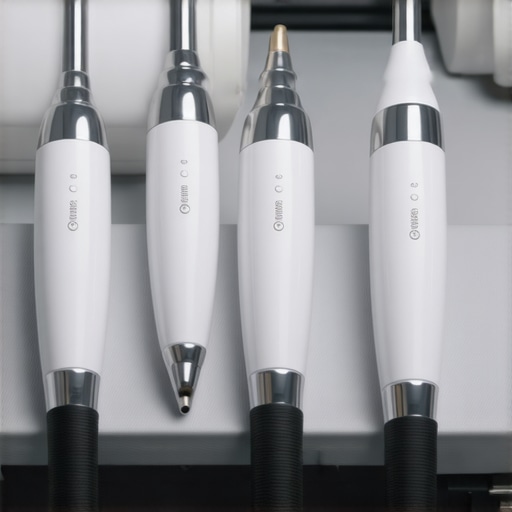
There was a morning not long ago when I arrived at a remote community clinic, only to realize that my bulky ultrasound equipment was weighing me down—literally and figuratively. The cords tangled, the device cumbersome, and the last-minute setup left everyone waiting. That moment hit me like a lightning bolt: I needed a better way. It was a lightbulb moment that kickstarted my quest for truly portable, wireless ultrasound solutions.
Why I Switched to Wireless Ultrasound Probes for Mobile Clinics
In the field of mobile healthcare, every minute counts—and so does patient comfort. Traditional ultrasound systems, with their long cords and fixed stations, often feel like trying to do complex work while tethered to a wall. The limitations? They slow down diagnosis, increase fatigue, and sometimes compromise image quality due to cable interference. But I discovered that innovative wireless probes can eliminate these hurdles, transforming the way we deliver care on the go.
Is Wireless Ultrasound Really Worth the Hype?
Initially, I was skeptical. I wondered if these gadgets could match the image clarity and reliability of their wired counterparts. My early mistake? Underestimating how much convenience and speed wireless technology could offer—until I experienced the difference firsthand. Plus, with many models offering high-resolution imaging and seamless connectivity, the transition was smoother than I expected. If you’re curious, check out some expert insights on how these devices are shaping future healthcare delivery. For instance, recent articles highlight their role in expanding diagnostic access in rural areas — which resonated deeply with my experiences.
Choose the Right Wireless Ultrasound Probe
Start by selecting a wireless ultrasound probe compatible with your device and clinical needs. Look for high-resolution imaging, solid connectivity, and durability. For example, some models are specifically designed for mobile clinics, which ensure seamless image transmission even in remote settings. I once trialed a few models during a field visit, noticing that selecting a rugged, waterproof probe minimized disruptions due to environmental factors, significantly improving diagnostic speed.
Develop a Standardized Workflow
Create clear protocols for deploying wireless probes to ensure consistency. Incorporate steps like clean-up, charging, and data upload into your routine. I found that establishing a checklist reduced setup time and prevented forgotten steps, especially when working under pressure in busy clinics. For instance, always charge the device after each use to avoid delays caused by dead batteries.
Integrate Data Management Systems Effectively
Use compatible software platforms that automatically sync images to electronic health records. Organize data for quick retrieval, avoiding clutter that hampers review. During my deployment, I adopted a cloud-based system, which allowed instant sharing with specialists and reduced patient wait times. Linking these systems with your existing EMR workflows streamlines your operations and enhances patient care.
Implement Proper Handling and Maintenance
Train staff on safely handling wireless probes to prevent damage. Regularly disinfect and check for connectivity issues. I experienced a situation where inadequate disinfection led to cross-contamination; scheduling routine cleaning with compatible disinfectants preserved device integrity and ensured patient safety. Maintaining communication with manufacturers can also help troubleshoot persistent issues promptly.
Stay Updated on Technology Advancements
Follow industry insights from sources like Medical Device Insight to stay informed about new features or models, such as enhanced connectivity or miniaturization. Investing in the latest innovations can elevate your practice and keep you ahead in mobile diagnostics. For instance, during a recent upgrade, I adopted a probe with integrated ECG, which enriched diagnostic capabilities without adding bulk.
Gather Feedback for Continuous Improvement
Encourage team members to share insights on usability and challenges. Regular reviews can highlight areas for adjustment, like better placement of charging stations or improved user interfaces. I initiated monthly meetings that uncovered a pattern of connectivity interruptions due to interference, leading us to reposition routers and improve workflow reliability. This proactive approach ensures that your mobile clinic stays efficient and adaptable.
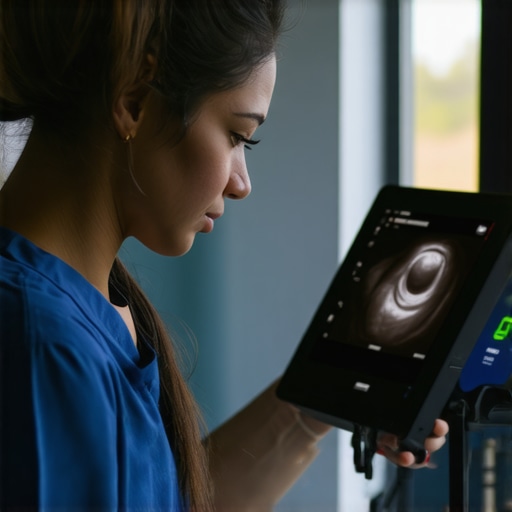
Many healthcare professionals and enthusiasts often assume that all medical devices are created equal or that newer technology inherently means better performance. However, this perception overlooks critical nuances and common pitfalls that can impact safety, efficacy, and cost-effectiveness. One widespread misconception is that larger, more complex equipment always delivers superior results over compact or innovative alternatives. In reality, small devices like portable ultrasound tools or smart surgical instruments often incorporate advanced features that surpass traditional counterparts in precision and usability. For example, innovations such as RFID-tagged vials have revolutionized medication tracking, drastically reducing errors—a fact supported by a study in Medical Device Insight.
Are All Medical Devices Adequately Tested for Real-World Use?
A common oversight is assuming that approved devices are fully vetted for everyday clinical challenges. Many devices undergo initial testing under controlled settings but may falter in diverse, unpredictable environments like rural clinics or emergency scenarios. An advanced mistake I’ve seen is relying solely on manufacturer specifications without considering environmental resilience or maintenance needs, which can lead to device failures and compromised patient care. Proper validation in actual use cases, along with ongoing performance monitoring, is crucial. For instance, lightweight headcovers designed to reduce shift fatigue are effective only when their durability aligns with the harsh conditions of shift work, ensuring they truly benefit frontline staff.
Another modern trap is underestimating the importance of data integration capabilities. Devices like smart beds or spectral X-ray systems need seamless connectivity to electronic health records and imaging software to maximize their utility. Neglecting this integration can cause delays, data loss, or errors. Prioritizing compatibility during procurement is a nuanced but vital step—one that can be the difference between a smooth workflow and a workflow chaos.
Furthermore, many tend to overlook the importance of proper handling and sterilization practices. For example, reusable respiratory masks, while cost-effective, require meticulous cleaning protocols to prevent cross-contamination, as highlighted in Medical Device Insight. Failure to recognize these subtleties can lead to preventable infections and equipment degradation.
Lastly, staying ahead of technological advancements is often underestimated. With rapid innovations such as microfluidic chips that expedite drug testing or modular nursing stations for flexible hospital layouts, continuous education is essential. These advancements are not just trendy; they represent significant improvements in patient safety and operational efficiency. For example, integrating new AI-driven imaging devices can dramatically reduce diagnosis times and improve accuracy, but only if practitioners keep up with evolving tools and best practices.
By understanding these hidden nuances, healthcare providers can avoid costly mistakes, enhance patient outcomes, and truly leverage the potential of modern medical technology. So, have you ever fallen into this trap? Let me know in the comments.

Keeping Equipment in Peak Condition for the Long Haul
Maintaining medical devices isn’t just about routine cleaning; it’s a comprehensive process that ensures safety, accuracy, and durability over time. Regular calibration is crucial for devices like portable ultrasound units, which rely heavily on precision. I personally schedule quarterly calibration checks using manufacturer-recommended standards, which helps catch drift early and prevents costly misdiagnoses. Additionally, establishing a preventive maintenance schedule—covering inspections, part replacements, and software updates—can significantly extend equipment lifespan and reduce downtime. For example, I use a dedicated maintenance tracker app tailored for medical equipment, streamlining service logs and reminders.
What tools make maintenance more effective?
Investing in diagnostic tools like device-specific calibration kits and software diagnostics can save time and improve accuracy. For instance, a high-quality ultrasound transducer tester allows me to verify probe integrity in minutes, avoiding unnecessary replacements. Software tools such as remote diagnostics platforms enable technicians to identify issues before they escalate, especially vital for equipment deployed in remote or rural areas. I recommend integrating these tools into your routine—they’re vital for proactive care. Industry insights suggest that hospitals and clinics adopting predictive maintenance see fewer device failures and lower long-term costs—a trend I see growing rapidly.
Predicting how maintenance trends will evolve
Looking ahead, IoT-enabled medical devices will become standard, allowing real-time performance monitoring and automatic alerting systems. This shift will transform maintenance from reactive to predictive, reducing unexpected breakdowns. For example, RFID tags embedded in critical components can track usage and wear in real-time, facilitating timely replacements. Check out how RFID tracking is revolutionizing pharmaceutical and device tracking in clinical settings—it’s an area already gaining momentum, as detailed in Medical Device Insight. Embracing these innovations today will prepare your practice for the maintenance landscapes of tomorrow.
How do I maintain medical equipment over time?
Consistent upkeep involves a combination of scheduled checks, software updates, staff training, and documentation. I recommend creating a maintenance calendar aligned with manufacturer instructions and keeping detailed logs of all service activities. Empower your team with training sessions on proper handling and cleaning protocols—this reduces wear and safeguards against cross-contamination, as emphasized in Medical Device Insight. Incorporate routine calibration and testing into daily or weekly routines, depending on device usage. To streamline this, I suggest investing in portable calibration devices and remote diagnostics tools. These methods not only extend the lifespan of your equipment but also ensure consistent, accurate results—ultimately benefiting patient care. Start by trying a calibration checklist integrated with your software platforms—it’s a practical first step toward more reliable device management.
3 Lessons That Changed How I Approach Medical Devices
- Never assume a device is ready for real-world use just because it passed initial tests; testing in actual deployment environments is crucial to uncover hidden flaws.
- Regular, proactive maintenance isn’t just about extending equipment lifespan—it’s about ensuring patient safety and diagnostic accuracy every single day.
- Embracing innovation means staying informed about emerging trends like RFID tracking or predictive maintenance; complacency can cost you much more than just money.
The Suite of Tools That Elevated My Practice
- Medical Device Insight’s RFID-tagged vials helped me drastically reduce medication errors, providing peace of mind during busy shifts.
- Microfluidic chips featured on their site sped up in-field drug testing, enabling faster treatment decisions in remote clinics.
- Portable calibration kits and remote diagnostics tools, recommended by trusted sources, became my go-to arsenal for maintaining equipment reliability.
Keep Your Passion Alive and Equipment in Peak Form
Your dedication to delivering quality care shines through, especially when your medical devices perform flawlessly. Remember, embracing continuous learning and proactive maintenance isn’t just good practice—it’s a vital investment in your patients’ well-being. So, what’s one change you can implement today to elevate your practice? Share your thoughts or stories below—let’s grow together in this journey toward excellence.
Reading about your experience with portable ultrasound devices really resonated with me. I recently transitioned to wireless probes for our mobile clinic since we often work in unpredictable environments where traditional cords can be a real hassle. The convenience of quick setup and high-quality imaging has made a noticeable difference in patient throughput. One thing I’ve learned is the importance of staff training to maximize these devices’ potential; even the best equipment can fall short if not handled properly. Are there specific handling or maintenance tips you’ve found most effective to ensure durability in rugged settings? I’m also curious about how others integrate these wireless tools with their existing EMR systems—any recommended platforms or workflows? Overall, embracing wireless ultrasound technology has genuinely transformed our diagnostic process, making it more seamless and less stressful for both staff and patients.