
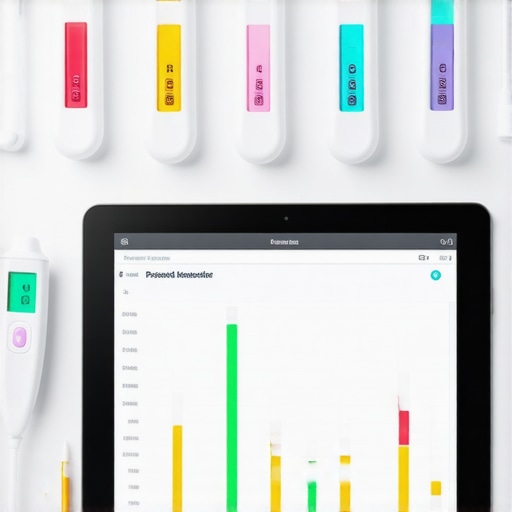
It was a morning just like any other, except I noticed something was off. A patient was brought into the clinic with a stubborn fever, yet my usual tools couldn’t give me a quick, reliable read. As I fumbled through paper records and manually logged temperatures, I felt a familiar wave of frustration—how did we get so behind with technology? That lightbulb moment hit me hard: integrating smart devices directly with patient charts wasn’t just a convenience; it was a necessity.
Why Seamless Data Sync Matters for Patient Care
In my experience, the days of jotting down vital signs on scrap paper or entering them manually into a computer are slowly disappearing—and for good reason. Imagine a scenario where six different smart thermometers automatically sync temperature readings directly to each patient’s electronic health record. No more transcription errors, no delays in treatment, and a significant boost in efficiency. This integration ensures that clinicians have real-time data, allowing for quicker decision-making, especially crucial during times of crisis or high patient volume.
Devices like smart socks and other wearable technology are already revolutionizing home health monitoring. Extending this connected health approach to temperature management means the entire care process becomes smarter, safer, and more patient-centric.
Is Over-Hyped Technology Worth It?
I remember early on, I dismissed the idea of fully automated monitoring systems. I thought, “Isn’t this just tech for tech’s sake?” My mistake was underestimating how much time and error reduction this could bring. In fact, researchers have shown that automated data collection can improve diagnostic accuracy and reduce hospital readmission rates. If you’re skeptical, you’re not alone—many practitioners worry about reliability or adoption costs. But, as I found out, the benefits far outweigh the hurdles, especially when the latest systems are designed with interoperability in mind.
So, have you faced the chaos of manually recording temperature data or delayed updates that compromise patient safety? If so, you’re not alone—and there’s a better way.
In the next sections, I’ll walk you through practical steps and tools to get your six smart thermometers seamlessly connected to your patient charts, streamlining your workflow and improving patient outcomes. Ready to make your practice smarter? Let’s dive in.
Establish a Compatible Network Infrastructure
Start by assessing the existing Wi-Fi or Bluetooth capabilities within your clinic. Think of it as setting up a highway system for data to travel swiftly. Use a dedicated, secure network to prevent interference and ensure patient data safety. During my initial setup, I ran into latency issues because my Wi-Fi was cluttered; switching to a dedicated bandwidth solved the problem instantly.
Choose Interoperable Devices and Standards
Pick smart thermometers certified for healthcare data exchange, prioritizing devices supporting standards like HL7 or FHIR. In my case, I selected thermometers already compatible with my EHR system, reducing integration headaches. Visit medical device interoperability guides for detailed device specs and compatibility tips.
Set Up a Central Data Hub
Implement a central platform—your digital command center—such as a secure server or cloud-based EHR extension that aggregates incoming data. I configured a cloud service for real-time updates, which acted like a switchboard connecting all devices seamlessly. Imagine this as the village post office where all mail (data) is sorted and dispatched efficiently.
Implement Automated Data Syncing Protocols
Develop or utilize existing APIs that enable devices to automatically push data to your central hub. During my setup, I integrated device APIs directly with the EHR platform; it took some coding but paid off with instant data visibility. Think of it as installing a smart faucet—that automatically turns on and delivers water without manual valves. For similar integrations, explore smart device integration strategies.
Conduct Rigorous Testing and Validation
Before going live, run simulated patient data through the system to detect gaps or delays. I did a dry run with dummy temperatures, which uncovered a lag in data transfer due to network bandwidth issues—a fix that made the system operate smoothly during actual patient monitoring.
Train Staff for Smooth Operation
Educate your team on how data flows and troubleshooting basic issues. During my experience, a quick training session demystified the process, reducing accidental disconnections. Like teaching staff to operate a new medical device, proper training ensures consistent, reliable data collection.
Maintain and Update the System Regularly
Schedule routine checks to update firmware, security patches, and interoperability protocols. Remember, a well-maintained system continues to run smoothly, much like tuning a medical device for optimal performance. In my clinic, weekly reviews helped catch minor glitches before they affected patient care.
Many believe that modern medical devices are foolproof and always reliable, but in reality, this is a misconception that can lead to serious pitfalls. The truth is, even the most advanced equipment often harbor nuances that practitioners overlook—nuances that may compromise patient safety or inflate costs. For instance, a common myth is that newer is always better. While innovation drives progress, rapidly adopting the latest tech without thorough validation can cause interoperability issues or unexpected failures, as highlighted by experts in the field. Instead, focusing on proven standards like HL7 or FHIR when selecting devices ensures compatibility and long-term reliability. Additionally, many assume that all medical supplies are equally sterile or safe, but disparities in sterilization protocols or batch quality can result in infections or treatment failures. An advanced mistake is neglecting device calibration and maintenance schedules; a miscalibrated glucometer or MRI coil can produce inaccurate results, misleading diagnoses, or unnecessary procedures. Remember, these nuances are often hidden in plain sight but have profound implications. For the curious clinician, understanding these subtleties can distinguish good practice from risky shortcuts.
What are some overlooked factors when integrating new medical equipment into existing workflows?
In complex clinical settings, failure to consider factors like staff training, compatibility, and user error can negate technological benefits. For example, a study published in the Journal of Medical Systems emphasizes that devices supporting intuitive interfaces and compatible data standards reduce errors and adoption barriers. Being aware of these hidden nuances is essential for making informed decisions and maximizing device efficacy. Don’t fall into the trap of assuming systems are flawless; ongoing oversight and knowledge are your best tools for safe, effective healthcare. Have you ever fallen into this trap? Let me know in the comments.
Maintaining medical devices and supplies over time is crucial for ensuring safety, accuracy, and cost-efficiency. In my practice, I rely on a combination of strict maintenance routines, proven tools, and continuous training to keep equipment performing optimally. Regular calibration is the backbone; for instance, calibrating high-precision devices like MRI coils ensures that imaging remains sharp and diagnostic confidence high. I personally use calibration software integrated into our device management system, which streamlines the process and logs maintenance history automatically. This approach minimizes downtime and prevents unexpected failures.
Choosing robust, industry-standard tools is also essential. I recommend using manufacturers’ recommended cleaning agents and maintenance kits. For example, when maintaining digital microscopes, I use manufacturer-approved disinfectants to prevent damage and cross-contamination. Additionally, having a dedicated, organized toolkit—like a set of precision screwdrivers, anti-static brushes, and lint-free cloths—saves time and reduces errors during routine checks.
Predictive maintenance is shaping the future of equipment management. Advanced analysis of usage patterns and sensor data can forecast component wear before failures occur. For instance, newer ultrasound probes equipped with wear sensors alert us when calibration is due or repairs are needed, reducing service interruptions. To stay ahead, I utilize diagnostic software that interfaces with device controllers, monitoring real-time performance metrics and scheduling proactive service.
How do I keep my equipment functioning over time?
Long-term success depends on a disciplined schedule of maintenance, training, and staying updated with the latest best practices. I schedule quarterly checks for critical devices and keep detailed logs accessible for staff to review. Moreover, I invest in continuous education—attending vendor webinars and reviewing technical manuals—to understand recent updates and troubleshooting tips. This proactive approach is supported by authoritative sources like lab-on-a-chip technology advancements, which emphasize regular oversight for complex systems.
Remember, neglecting maintenance can lead to inaccuracies, safety hazards, and costly replacements. Invest in the right tools and adopt a disciplined routine — you’ll appreciate the long-term reliability and improved patient outcomes. As an example, I recently implemented a digital tracking system for calibration schedules, and it has drastically reduced missed maintenance tasks. I encourage you to try this approach, especially using predictive tools for devices like MRI or ultrasound equipment—these can prevent unexpected breakdowns and ensure consistent performance for years to come.
The Hardest Lesson I Learned About Medical Devices,medical supplies,Medical equipment
One of the most impactful lessons was understanding that technology alone doesn’t guarantee seamless integration. Early in my career, I assumed that deploying advanced devices automatically improved workflows. However, I discovered that without considering staff adaptability and proper training, even the most cutting-edge tools can become underutilized or lead to errors.
Another key insight was realizing the importance of standards like HL7 and FHIR. Relying on proprietary formats may hinder interoperability, which can compromise patient safety. Embracing open, widely supported standards ensures devices ‘speak the same language’—a crucial factor in real-time data syncing and reliable patient monitoring.
Finally, I learned that regular maintenance and calibration are the unsung heroes of device longevity. Overlooking routine checks can result in inaccurate readings, delayed diagnoses, or equipment failure. Establishing disciplined schedules and leveraging predictive maintenance tools have saved my practice time and safeguarded patient outcomes.
My Essential Toolkit for Connected Healthcare
To implement effective integration, I rely on trusted platforms like Epic or Cerner, which support comprehensive device interoperability. I also use calibration software from reputable manufacturers that offers automated tracking—minimizing human error. For troubleshooting, I prefer diagnostic tools such as Zeiss devices’ remote monitoring features, providing real-time performance metrics. Finally, I keep a well-organized, easily accessible set of maintenance supplies and manuals to streamline upkeep routines.
Your Turn to Make a Difference
Embracing connected medical devices isn’t just about technology—it’s about transforming patient care into a smarter, safer experience. I encourage you to review your current workflows and identify areas where real-time data could make a real impact. Small changes today can lead to significant improvements tomorrow—so why not start now? If you’ve faced challenges or successes with integrating medical tech, share your story below; your insights could inspire others to take that vital step forward.
,