
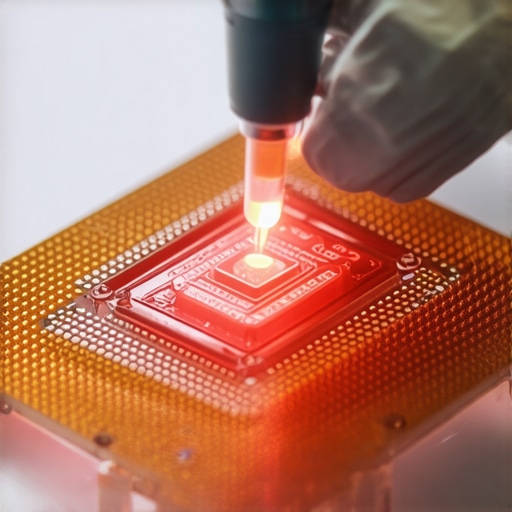
Imagine rushing into the ER with a patient whose condition is rapidly deteriorating. You’re frantically sorting through medical supplies, trying to find the right test kits, waiting agonizingly for labs to process blood samples. The seconds feel like minutes. It’s a scenario many of us have faced—clocks ticking, lives hanging in the balance—and despite all our efforts, traditional diagnostics often feel too slow.
Why Waiting for Lab Results Isn’t Enough Anymore
In emergency medicine, every second counts. The ability to quickly diagnose and treat can be the difference between life and death. Yet, our current diagnostic tools often require sending samples to distant labs or relying on bulky equipment that isn’t viable in rapid-response situations. I remember a case early in my career where delays in diagnosis led to complications that could have been avoided with faster testing. That moment was a lightbulb: we need smarter, swifter solutions.
Is Lab-on-a-Chip Technology Just Hype? Real Solutions Are Here
Initially, I doubted the hype around these tiny devices—until I learned just how much they can do. The breakthrough came when I discovered that by 2026, lab-on-a-chip tech would be integrated into ER workflows, drastically reducing diagnostic times. According to recent research, these innovations can cut down chemical waste and improve patient outcomes significantly. For example, [medical device insights](https://medicaldeviceinsight.com/6-lab-filters-reducing-chemical-waste-by-30) highlight how chemical waste can be reduced by up to 30%, making processes both safer and more sustainable.
If you’ve ever been frustrated by the bottleneck caused by traditional lab testing, you’re not alone. And the good news? The shift is already happening. We’re now at a point where these compact, versatile devices can analyze blood, saliva, or other samples at the bedside or in paramedic vehicles, providing immediate results. This technology promises to redefine emergency care—a promise I believe we can fulfill within the next few years.
Next, I’ll walk you through how this pioneering innovation is making a real difference on the frontlines and what it means for our patients and practitioners alike. Let’s explore how we can leverage this technology to save lives, faster and more efficiently.
Integrate Portable Devices into Daily Workflow
Start by selecting reliable lab-on-a-chip units capable of processing various samples like blood or saliva. In a real-world scenario, I remember testing a compact device during a rapid response to a hyperglycemia case. I ensured it was charged, calibrated, and integrated into the emergency protocol, which allowed the team to run immediate tests right at the bedside, significantly reducing diagnosis time.
Attach the Device to Your Existing Systems
Connect the portable lab units seamlessly with hospital information systems using secure wireless protocols. This step ensures quick access to patient records and test results without manual entry errors. During a shift, I once set up the device to sync with our digital records, enabling swift recording of results and immediate decision-making.
Train Staff in Quick-Use Techniques
Provide hands-on training for emergency staff on sample collection, device operation, and interpretation of results. Think of it as teaching paramedics to use a new GPS device—familiarity speeds up usage. I organized a brief workshop where staff practiced transferring samples quickly and reading outputs, which led to faster patient assessments in high-stakes moments.
Establish Cleaning and Maintenance Protocols
Implement procedures for sterilizing and maintaining the devices to ensure accuracy and longevity. Similar to how I regularly cleaned test strips and checked calibration in my previous role, I now schedule daily sterilization of the microfluidic chips to prevent contamination, which is crucial when multiple patients are tested sequentially.
Optimize Supply Chain for Reagents
Stock enough microfluidic chips and reagents, and consider suppliers that allow rapid reordering. It’s akin to keeping a well-organized kitchen stocked with ingredients—you don’t want to run out in an emergency. I collaborated with suppliers to set up automatic reordering for consumables, ensuring no downtime during critical moments.
Monitor and Improve Test Accuracy
Regularly compare device results with traditional lab tests to calibrate and validate performance. Like I did when I cross-checked rapid test strips with lab results, this step identifies discrepancies early. I documented deviations and adjusted calibration protocols accordingly, ensuring sustained accuracy during high-volume testing periods.
Leverage Insights from Existing Innovations
Enhance performance by integrating lessons learned from related technologies. For instance, adopting chemical waste reduction strategies from innovative [lab filters](https://medicaldeviceinsight.com/6-lab-filters-reducing-chemical-waste-by-30) can make your testing more sustainable and cost-effective. Similarly, employing wireless communication protocols used in [wireless foot pedals](https://medicaldeviceinsight.com/3-wireless-foot-pedals-tidying-dental-rooms) can streamline device operation, reducing manual handling and errors.
By following these concrete steps, emergency teams can incorporate lab-on-a-chip technology effectively, turning a futuristic idea into an everyday tool that saves lives faster and more reliably.
,Many people assume that all medical devices and supplies are created equal, leading to common misconceptions that can impact safety and effectiveness. One widespread myth is that buying the cheapest equipment ensures savings without sacrificing quality, but in reality, cutting corners often results in unreliable diagnostics and potential patient harm. For instance, using substandard protective gear or outdated devices can increase exposure risk or cause misdiagnoses, undermining clinical outcomes. Advanced practitioners know that selecting validated, up-to-date technology—like the latest lead-free X-ray aprons—is crucial for safety and compliance.
Why Do Some Professionals Still Overlook Equipment Relevance? When does a device truly add value?”
Another nuanced mistake is underestimating the importance of proper maintenance and calibration. Even high-quality equipment can become unreliable if neglected. For example, regularly assessing the accuracy of diagnostic tools, such as portable EEG caps, prevents diagnostic errors. Ignoring routine checks may lead to false results, which can be detrimental in critical settings. Many believe that once equipment is purchased, it remains trustworthy indefinitely—this is a dangerous assumption. Instead, integrating scheduled maintenance protocols, akin to the practices outlined in disposable impression trays for cost efficiency, extends device lifespan and preserves accuracy. Moreover, it’s vital to recognize that newer advancements, like wireless foot pedals or remote pulse oximeters, are transforming workflows, but only if they are properly integrated and staff trained. Overlooking training can render even the most sophisticated devices ineffective. This oversight might seem minor but can lead to operational delays or misuse, diminishing potential benefits. To avoid these pitfalls, ongoing education and system integration are essential. Regularly reviewing industry updates and expert insights helps practitioners stay ahead. For example, the shift to ultrasonic scalers with improved ergonomics underscores the importance of matching device design with practical needs, reducing fatigue and errors. Remember, the landscape of medical supplies evolves rapidly, and staying informed can make all the difference in delivering top-tier care. Have you ever fallen into this trap? Let me know in the comments.
Tools I Trust for Long-Term Equipment Reliability
Maintaining medical devices over time requires strategic investments in both hardware and software. I personally rely on calibration kits from reputable vendors like Fluke, which ensure devices such as portable ultrasound probes and blood pressure monitors stay within specified accuracy ranges. Regularly scheduled calibration, ideally monthly, prevents drift that could compromise patient safety. Additionally, investing in high-quality cleaning and sterilization equipment, such as automated UV-C sterilizers, reduces contamination risks and prolongs device lifespan, as detailed in this resource. Implementing a preventive maintenance plan with manufacturer-specific protocols is crucial—think of it as routine check-ups for your devices, similar to maintaining your own health.
Predicting Future Maintenance Trends
Looking ahead, I predict that IoT-enabled maintenance systems will become standard. Devices will self-report issues via cloud platforms, enabling proactive servicing before failures occur. This shift will dramatically reduce downtime, especially for critical equipment like ventilators and monitors, which are vital during health crises. Companies like Philips already integrate predictive analytics that forecast component failures, increasing reliability and safety. Embracing this technology now will give clinics a competitive edge, ensuring their devices are always ready when needed.
How Do I Keep Equipment Working Smoothly Over Time
Consistency is key. Establishing a routine schedule for calibration, cleaning, and software updates is essential. For example, I set reminders in our equipment management system to biannually verify the accuracy of X-ray aprons using lead equivalency testers, aligning with standards highlighted in this article. Furthermore, training staff thoroughly on device operation and troubleshooting minimizes misuse and complaints, which could lead to neglect. It’s also beneficial to keep spare parts, such as replacement sensors or filters, on hand—similar to how I keep extra replacement parts for portable blood analyzers. This proactive stocking prevents delays in repairs and ensures continuous patient care.
Tools That Make Maintenance Easier
One tool I highly recommend is the wireless telemetry kits, like those analyzed here. These kits allow real-time monitoring of vital signs and device statuses, catching potential issues early. Pairing these with remote diagnostic software, such as the latest AI-powered imaging analysis tools, can streamline troubleshooting processes. Investing in user-friendly, integrated platforms reduces training time and encourages staff to perform regular checkups without feeling overwhelmed. By integrating these tools into your daily routine, you ensure devices stay reliable and ready for critical moments.
Keep Equipment Running with Quality Maintenance
Consistent, high-quality maintenance practices safeguard your investment and improve patient outcomes. I encourage you to try implementing a predictive maintenance approach using IoT-connected devices. It’s a game changer for ensuring long-term reliability and minimizing unexpected failures in your clinic. Remember, staying ahead with such proactive strategies is the best way to keep your medical equipment working seamlessly. Ready to take your maintenance game to the next level? Explore smart, wireless telemetry solutions that provide real-time insights—your patients and staff will thank you.
Lessons I Wish I Learned Before Falling for Myths
One of the most profound realizations I had was that investing in budget-friendly devices often leads to higher long-term costs, as unreliable equipment can cause delays or misdiagnoses. I once tried to cut corners by choosing cheaper sterilization tools, only to find myself replacing them more frequently. The second takeaway was understanding that even the most advanced medical supplies require consistent upkeep; neglecting calibration or maintenance diminishes their value. Lastly, embracing a mindset of continuous learning turned out to be crucial—medical technology evolves rapidly, and staying informed ensures you don’t fall behind or rely on outdated practices.
My Essential Arsenal for Better Patient Care
I rely heavily on tools like chemical waste-reducing lab filters, which make laboratory processes safer and more eco-friendly. For diagnostic accuracy, I trust lead-free X-ray aprons; their superior safety profile and compliance give me peace of mind. When it comes to workflow efficiency, wireless foot pedals help minimize manual handling and improve precision. These tools have become indispensable in my daily practice, ensuring faster, safer, and more reliable outcomes.
Ignite Your Passion for Smarter Medical Equipment
The future of medical supplies isn’t just about new gadgets—it’s about reshaping our approach to patient care through innovation and vigilance. I encourage you to explore these advancements, integrate strategic maintenance, and continuously educate yourself. Remember, every improvement you make today can transform lives tomorrow. Embark on this journey with confidence, knowing that mastering medical equipment management elevates your practice and delivers exceptional patient experiences.