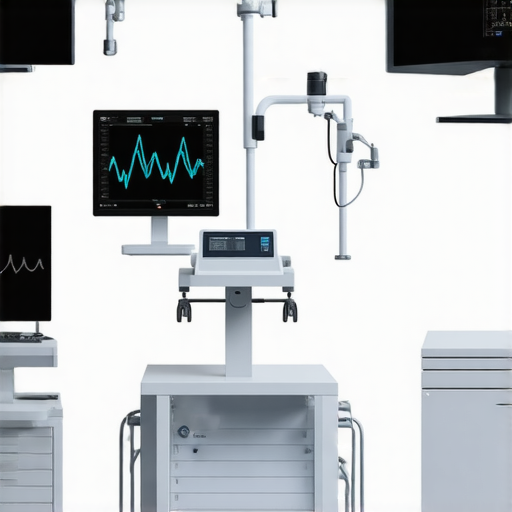
Why Most Hospital Bed Casters Fail and the One Brand That Doesn’t Budge
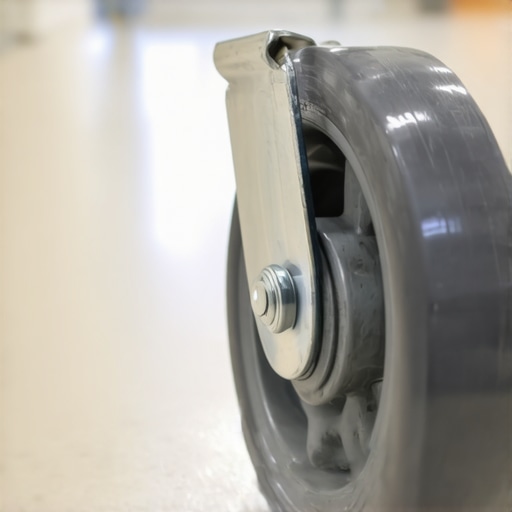
I remember a 2 AM shift back in my early clinic management days when I thought I could save the department a few hundred dollars. I ordered a batch of ‘generic’ casters for our recovery beds. Three weeks later, I found a nurse sweating and struggling to steer a patient because one of those wheels had seized completely, flat-spotted by a tiny piece of stray suture. It was a visceral lesson: when the foundation of your equipment fails, the whole workflow collapses.
Stop Fighting Your Furniture and Find Out Why Wheels Give Up
Most hospital bed casters fail because they aren’t actually designed for the chaotic reality of a modern ward. We think it’s just about the weight, but the real killers are hair, cleaning chemicals, and floor transitions. Standard wheels pick up floor debris like a magnet, creating internal friction that melts plastic bearings. In fact, research from the National Institute for Occupational Safety and Health (NIOSH) indicates that overexertion from pushing and pulling heavy medical equipment is a leading cause of musculoskeletal injuries among healthcare workers. If you are already looking into automated hospital beds that reduce nurse burnout, you cannot overlook the wheels they roll on. I made the mistake of prioritizing the ‘look’ of the bed over the engineering of the swivel. It turned out that the cheap zinc-plated housings were corroding every time the janitorial staff mopped with hospital-grade disinfectants.
Are Premium Casters Just a Marketing Gimmick to Charge More?
It is easy to be skeptical when a salesperson tells you that one wheel is worth four times the price of another. I used to think a wheel was just a wheel. But after watching a weighted stand wobble on uneven hospital floors because of a sub-par caster, I realized that precision matters. Today, we are looking at how the Tente brand changed my perspective on reliability. They don’t just roll; they stay locked when they are supposed to and glide when they need to. Have you ever had a bed lock up on you right in the middle of a critical patient transfer? It’s a terrifying moment that usually stems from a failed braking cam inside a low-quality caster. Choosing the right components is a core part of an essential guide to choosing reliable medical devices for clinics, and we are going to dive into the exact specs that make one brand the undisputed king of the hallway.
Stop Letting Hair and Dust Sabotage Your Rounds
Most people think a wheel is just a piece of plastic on a metal stick. In reality, a high-quality medical caster is more like a high-performance engine. The first thing you need to look for is a sealed precision ball bearing. Think of it like a diver’s watch; if water or dust gets inside, the mechanism is toast. In a hospital, the ‘water’ is often a mix of floor wax, lint, and shed hair. I once spent three hours with a pair of needle-nose pliers trying to ‘save’ a set of old wheels, only to realize the hair had actually friction-welded itself into the plastic hub. When you are upgrading medical equipment, insist on casters with thread guards—these are small shields that physically block debris from reaching the axle. 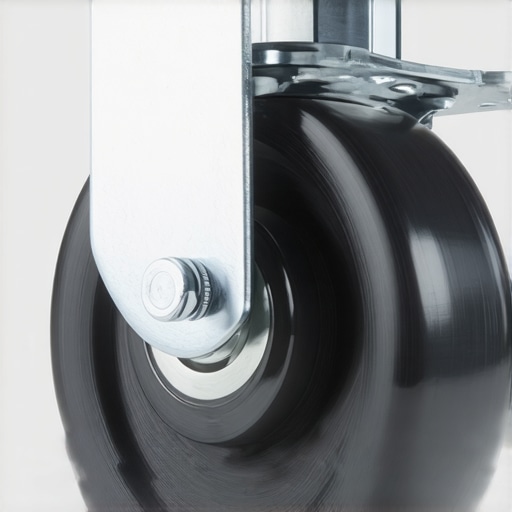
Choose Treads That Won’t Fight the Floor
The material of the wheel tread dictates how much effort your team spends just to get the bed moving. Soft rubber wheels might seem quiet, but they have a ‘memory.’ If a heavy bed sits in one spot for too long, a soft wheel develops a flat spot. Moving it after that feels like driving a car with a square tire. Instead, look for high-grade polyurethane. It offers the grip of rubber but the resilience of hard plastic. This is especially critical when you are using rigid patient transfer boards that wont flex, as any vibration from a bumpy wheel can cause unnecessary pain to a patient in transit.
Simplify Life With Central Braking Systems
During a code blue in 2021, I watched a junior resident struggle to find the individual brake tabs on all four corners of a crash cart. It took eight seconds—eight seconds too long. That is why I’m a huge advocate for central total-lock systems. These systems allow a single pedal to lock the rotation and the swivel of all wheels simultaneously. It’s the difference between a manual and an automatic transmission. When you’re managing heavy-duty patient lifts designed for single caregiver use, that instant stability isn’t just a convenience; it’s a safety requirement.
Check Your Swivel Lead Before You Buy
The ‘lead’ is the distance between the center of the swivel axis and the center of the wheel. If the lead is too short, the wheel will ‘shimmer’ or vibrate when pushed at high speeds. If it’s too long, the bed becomes incredibly hard to turn in tight corners. High-end brands like Tente calculate this offset to the millimeter. I learned this the hard way when we bought a fleet of cheap IV stands that would ‘death wobble’ every time a nurse walked faster than a slow crawl. It’s worth looking for brands that offer ‘washable’ ratings, as these can withstand the high-temperature autoclaves or caustic chemicals used in modern infection control.Many procurement officers fall into the trap of believing that modern medical equipment is ‘set and forget.’ There is a common industry myth that paying a premium for ‘maintenance-free’ casters means you never have to look at them again. In my experience, this is the quickest way to blow your department’s budget. While high-end components are significantly more durable, the ‘maintenance-free’ label usually refers to the internal lubrication, not the external hygiene or the structural integrity of the mounting. If you are upgrading medical equipment, you must understand that even the best engineering can’t overcome a lack of basic inspections.
Don’t Match Your Wheels to the Bed—Match Them to the Floor
One of the most expensive ‘oops’ factors I have seen is the floor-caster mismatch. I once saw an entire wing of a private clinic ruin their brand-new, high-gloss epoxy floors because they chose a wheel tread that was too hard. The friction didn’t just scratch the surface; it caused a chemical reaction with the floor sealant that created ‘ghost marks’—permanent dark streaks that looked like filth to every patient who walked in. When following an essential guide to choosing reliable medical devices for clinics, you have to consider the environment as much as the device. Polyurethane is great, but there are dozens of shore hardness levels to choose from. Picking the wrong one is like wearing spiked track shoes on a basketball court; you’ll have great grip, but you’ll destroy the infrastructure. 
Why Does My New Equipment Feel Like It’s Fighting Me?
If your staff is complaining about heavy beds despite having new wheels, you likely have a ‘floor-drag’ issue caused by improper cleaning residue. A study published by the World Health Organization (WHO) on medical device management emphasizes that over 50% of equipment failures in resource-strained environments are due to lack of preventative maintenance and environmental factors. In high-traffic wards, the microscopic buildup of floor wax on the wheel tread increases the coefficient of friction by up to 30%. This is why latest medical equipment technologies transforming hospitals often include low-friction polymers, but even those need a simple wipe-down with the correct solvent.
Avoid the Procurement Trap of Brand Loyalty
We often get comfortable with one vendor, but the smartest move is to look at the sub-components. Sometimes a mid-tier bed frame equipped with world-class Tente or Colson casters will outperform a flagship bed with ‘in-house’ generic wheels. It’s similar to how why cheap infusion pumps keep triggering false alarms—it’s rarely the whole machine that fails, but a single, low-quality sensor or mechanical part. Have you ever fallen into the trap of buying ‘the best’ brand only to have it fail because of a small detail like a caster? Let me know in the comments.Once you have selected the right components, the real work of longevity begins. I have seen million-dollar facilities treat their rolling stock like disposable items, only to wonder why their replacement costs skyrocket every three years. The secret to scaling your operations without hemorrhaging cash isn’t just buying better; it is maintaining smarter. When you are looking at how to optimize medical supplies inventory for better efficiency, you must include a specific line item for caster maintenance tools. I personally swear by a long-handled stainless steel pick—often repurposed from old dental tweezers for micro surgery—to clear debris from the swivel housing before it can reach the bearings.
The Two-Step Inspection That Saves Thousands
Every quarter, my team performs a ‘glide and lock’ audit. We don’t just check if the bed rolls; we check if it tracks straight. If a bed pulls to the left, it’s a sign that the leading-side bearing is beginning to pit. This is the moment to act, not when the wheel stops turning entirely. For those managing a large fleet, you need to ensure these checks are part of your top medical supplies every healthcare provider should stock in 2025 list. According to the ISO 22882:2016 technical standard for casters and wheels, medical-grade components are tested for dynamic durability over 30,000 cycles, but that rating assumes a clean environment. In a real-world clinic, a single grain of grit can reduce that lifespan by half.
How do I maintain medical casters over time?
Maintenance should focus on ‘the three Ls’: Lubrication, Lint-removal, and Locking-mechanisms. Avoid spray-on greases that attract more dust; instead, use a high-viscosity synthetic oil specifically designed for medical environments. If you are using AI-powered nurse carts for 2026 ward rounds, the weight of the electronics makes these inspections even more critical. I recommend a monthly wipe-down of the tread with 70% isopropyl alcohol to remove the sticky residue left by floor waxes, which prevents the ‘flat-spotting’ I mentioned earlier. 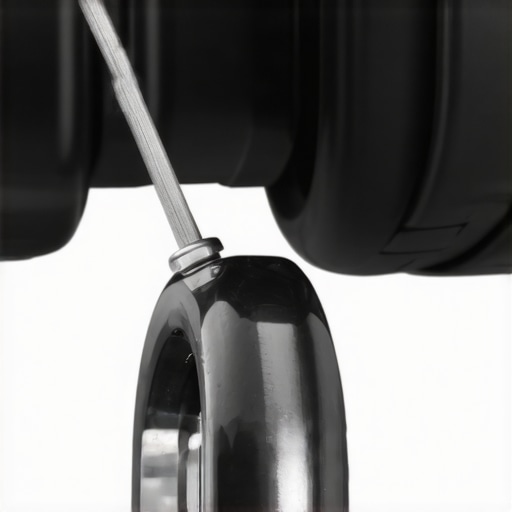
Predicting the Move Toward Sensor-Integrated Wheels
Looking toward the future, we are seeing a shift from passive wheels to ‘smart’ mobility. In my next few consulting projects, I am tracking medical devices innovation future trends to watch in 2025 very closely. We are moving toward casters that have integrated load sensors and friction alerts. Imagine a bed that sends a notification to the maintenance app because it detects an increase in the torque required to swivel. This kind of proactive data will eventually eliminate the ‘2 AM nursing crisis’ I experienced. For now, the best tool you have is a consistent schedule and a high-quality inventory. If you want to see an immediate improvement in your facility’s workflow, try a three-month rotation audit: label each piece of equipment with the date its wheels were last serviced. You will be shocked at how much easier the rounds become when the equipment isn’t fighting the staff.
Why Silence in Your Ward is Actually an Engineering Feat
In my years overseeing clinical floor operations, I have learned that the health of your facility can be heard before it is seen. If you hear a rhythmic ‘thump’ when a nurse pushes a bed, that is the sound of a bearing that has already failed, likely due to hidden debris or chemical corrosion. One lightbulb moment for me was realizing that floor wax is actually a primary enemy of mobility; it builds up on wheels and creates a sticky film that attracts every loose thread in the building. Additionally, never trust a sales brochure that only lists ‘max load’ without specifying ‘starting force.’ A wheel might hold a thousand pounds, but if it takes two people to get it moving from a dead stop, it is the wrong choice for your team. #IMAGE_PLACEHOLDER_E#
My Field-Tested Toolkit for Keeping Equipment Moving
I always keep a copy of the ISO 22882:2016 technical standards handy because they provide the only objective baseline for what medical-grade wheels must endure during 30,000-cycle stress tests. For those of you just starting to refine your procurement process, the essential guide to choosing reliable medical devices for clinics is an invaluable resource for training staff on what to look for beyond the price tag. I also recommend following the latest medical equipment technologies transforming hospitals to stay ahead of the shift toward smart, sensor-integrated casters. Finally, use a dedicated tracking system like the one described in how to optimize medical supplies inventory for better efficiency to ensure every wheel is serviced before it fails.
Take the First Step Toward a Smoother Shift
Investing in high-quality casters is not just a maintenance decision; it is a commitment to the safety and morale of your frontline workers. When your equipment glides effortlessly, your team can focus entirely on patient care rather than struggling with a stubborn bed. Don’t wait for an injury or a mechanical failure to start upgrading medical equipment in your high-traffic zones. A small change in your choice of medical supplies today can prevent a major crisis tomorrow. Which piece of equipment in your clinic is currently the biggest headache to move? Let me know in the comments below.