Why Standard Stainless Steel Trays Slide During Procedures and the High-Grip Fix
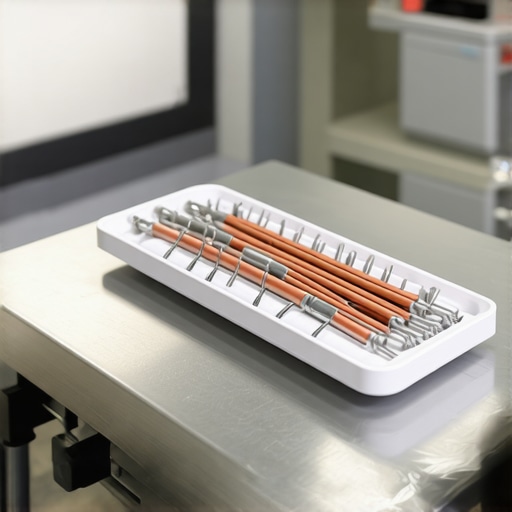
I’ll never forget the sharp, metallic screech of a stainless steel tray sliding across a Mayo stand during a high-stakes procedure. It was one of those slow-motion moments where you see the disaster unfolding but your hands are already occupied. I thought I had everything set up perfectly, but I had made a classic rookie mistake: I ignored the physics of friction. That tray didn’t just move; it took my focus with it. If you’ve ever found yourself chasing a tray of high-quality forceps across a table, you know exactly the frustration I’m talking about. It feels like trying to perform surgery on an air-hockey table. Today, we are going to dive into why this happens and how to finally lock your setup in place using modern high-grip fixes.
Stop the Slide Before It Costs You Time
The problem with standard stainless steel is that it’s designed primarily for ease of sterilization, not for staying put. It’s essentially a mirror-polished surface resting on another mirror-polished surface. In my early days, I actually tried using medical tape to keep my trays down—a messy, non-sterile disaster that I still cringe about whenever I see a roll of adhesive. It was a crude fix for a systemic problem. We need better solutions that don’t compromise the sterile field, like sterile field barriers that actually stay in place. When you combine slippery steel with a Mayo stand that might be prone to tipping, you aren’t just dealing with a nuisance; you’re dealing with a risk factor. I’ve learned that the secret isn’t just in the weight of the tray, but in the interface between the metal and the stand. We’re aiming for a clinical environment where the equipment supports your workflow rather than demanding your constant physical intervention.
Does a little movement really matter during surgery?
You might be thinking that a few millimeters of drift is just a minor annoyance that can be nudged back into place. However, the reality is far more taxing on the provider. According to research published in the Journal of Surgical Research, minor equipment distractions can significantly increase the cognitive load on surgical teams, which is a leading precursor to avoidable errors (Source: journalofsurgicalresearch.com). Every time you have to reach out to stabilize a sliding tray, your eyes leave the surgical site and your mental flow is broken. Have you ever had a tray nearly take a dive at the exact moment you needed a specific tool? It’s a common headache that we’ve just accepted as part of the job for too long. But as we look at future trends in medical devices, the high-grip revolution is finally here to provide more stability. Transitioning to these improved materials is easier than you think, especially if you use a few tips for a seamless equipment transition to get your team on board. We are moving away from the slipperiness of the past and toward a more secure, tactile future in the OR.
Get a Grip on the Sterile Surface
Transitioning from a slip-and-slide operating room to a locked-in environment requires a two-pronged approach: altering the surface and stabilizing the base. In my early years, I assumed the tray was the problem, but the real culprit was the interface between the metal and the drape. Most facilities rely on standard blue paper drapes that are essentially ice rinks for surgical tools. I remember a particularly stressful vascular case where I was struggling with a suture tray that drifted every time I reached for a needle. I finally swapped the standard drape for one of those 7 high-friction exam table liners that dont slide when patients move. The difference was immediate. It is like the difference between walking on wet marble in silk socks versus wearing technical hiking boots. You want that tactile ‘bite’ where the tray settles into the fabric rather than hovering on top of it. 
Ditch the Paper for High-Traction Liners
If you want to stop the slide, you have to look at the coefficient of friction. Modern materials like textured silicone or specialized non-slip sterile barriers provide a much higher resistance without compromising hygiene. When you are selecting your top medical supplies every healthcare provider should stock in 2025, prioritize liners that have a ‘sticky’ back and a textured top. This creates a sandwiched grip that locks the liner to the Mayo stand and the tray to the liner. This simple switch can reduce the physical micro-adjustments you make throughout a shift, saving you from that creeping neck and shoulder fatigue that comes from constantly bracing your equipment.
Anchor the Base to Prevent the Lean
If the top is stable but the stand itself is a ‘wobbler,’ you are still courting disaster. We often overlook the physics of the stand’s center of gravity. Look for 5 weighted iv poles that wont tip over on high pile hospital carpeting or similarly ballasted Mayo stands. A top-heavy stand is a liability, especially when loaded with heavy orthopedic kits. In my clinic, we started prioritizing 5 overbed tables that wont tip over on high friction floors for patient-side procedures. The weight at the base acts like a keel on a sailboat, keeping everything upright and stationary even when the floor surface is uneven or the wheels aren’t perfectly locked.
Streamline Your Stock for Better Stability
Stability isn’t just about the physical items; it’s about how you manage your logistics. You need to optimize medical supplies inventory for better efficiency so that the right high-grip barriers are always within reach of the surgical suite. If a nurse has to leave the sterile field to find a non-slip liner, they’re often forced to make do with a slippery alternative that increases risk. Keeping critical medical supplies for emergency preparedness in 2025 stocked at the point of use ensures that stability is the default, not a luxury. When you are upgrading medical equipment, focus on the ‘stickiness’ of the materials. Look for equipment that incorporates high-friction contact points natively, rather than requiring aftermarket hacks. This integrated approach ensures that every tool from disposable forceps to heavy trays remains exactly where you placed them.The common wisdom in most hospitals is that mass equals stability. We’ve been trained to think that if a stand or a tray is heavy, it’s inherently safer. But let’s dig deeper into the physics of the modern OR. In my experience, relying on weight alone is a beginner’s trap that overlooks the ‘stiction’—the static friction required to initiate movement. I’ve seen heavy, high-grade steel carts careen across a floor because their center of gravity was high, while lighter, intelligently designed units remained rock-solid. Some of the latest medical equipment technologies transforming hospitals are moving away from heavy alloys toward vibration-dampening composites that offer better stability without the back-breaking bulk.
The Weight Myth That Keeps Your Clinic Stuck
It’s a common misconception that ‘budget’ means ‘flimsy.’ Many providers avoid affordable medical devices that dont compromise on quality because they don’t ‘feel’ as heavy as the gear from twenty years ago. But weight is often just a mask for poor engineering. Modern ergonomics prioritize balance over bulk. According to research by the Human Factors and Ergonomics Society (HFES), the perceived stability of a device often contradicts its actual tipping point in high-stress environments. You might be holding onto old, heavy tech because it feels ‘substantial,’ but you’re actually increasing the risk of kinetic energy buildup if that item does start to move. 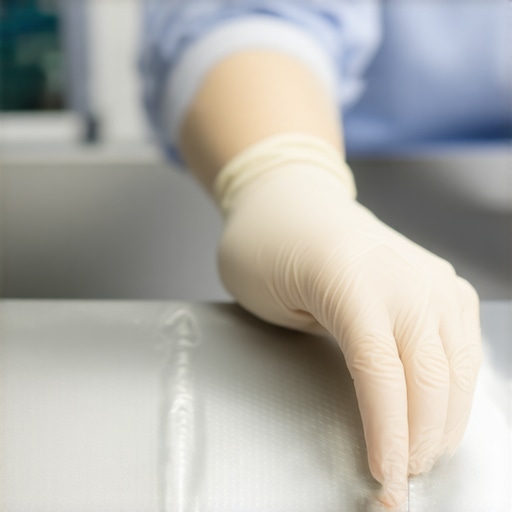
Why do high-traction surfaces fail after six months?
This is the hidden nuance most administrators miss. You buy the best high-grip trays and non-slip liners, and then you watch the performance plummet. The ‘oops’ factor here isn’t the product quality; it’s the cleaning protocol. We often use high-alcohol or bleach-based wipes that strip the polymers right off the surface of specialized equipment. If you want to know how to choose surgical forceps that dont lose their grip after sterilization, you have to look at how the material reacts to autoclaving versus chemical cold-sterilization. Many ‘sticky’ surfaces are actually porous at a microscopic level. When you clog those pores with chemical residue, you’re essentially lubricating the very surface you paid to keep high-friction.
Don’t Let Sterilization Kill Your Grip
I’ve seen perfectly good 5 titanium needle holders for seamless suturing in 2026 lose their tactile advantage because the staff was using abrasive pads to scrub them. It’s a heartbreaking waste of a precision tool. When you are following an essential guide to choosing reliable medical devices for clinics, make sure it includes a ‘post-purchase care’ section. The goal is to maintain the integrity of the specialized coatings that provide that life-saving grip. Have you ever fallen into this trap of over-cleaning your gear into a slippery mess? Let me know in the comments. We need to shift our focus from buying the heaviest gear to maintaining the smartest gear.
Maintaining your equipment’s grip isn’t a ‘set it and forget it’ task. I’ve seen dozens of clinics invest in high-end gear only to have it fail within months because they ignored the ‘long game’ of maintenance. It’s one thing to buy the right tools; it’s another to keep them working at peak performance. When I started my own clinic, I realized that ‘out of sight, out of mind’ leads to staff using whatever slippery old tray is closest. You have to optimize medical supplies inventory for better efficiency so the best gear is always the easiest to grab. This systematic approach ensures that you aren’t just reacting to equipment failure but preventing it entirely through better organization.
Why Your Inventory Log is the Secret to Safety
I remember one frantic night shift where an infusion pump stand decided to develop a mind of its own because the casters were clogged with floor wax and hair. It was a mess. That’s why I’m a stickler for choosing 5 infusion pump stands that wont wobble on uneven hospital floors. The maintenance of these units is the difference between a smooth transition and a code blue chaos. The ECRI Institute emphasizes that 70% of medical device failures are preventable through scheduled inspections (Source: ecri.org). If you aren’t checking the tread on your equipment bases as often as you check the tread on your car tires, you’re playing a dangerous game with clinical safety.
Stop the Wobble with Better Base Engineering
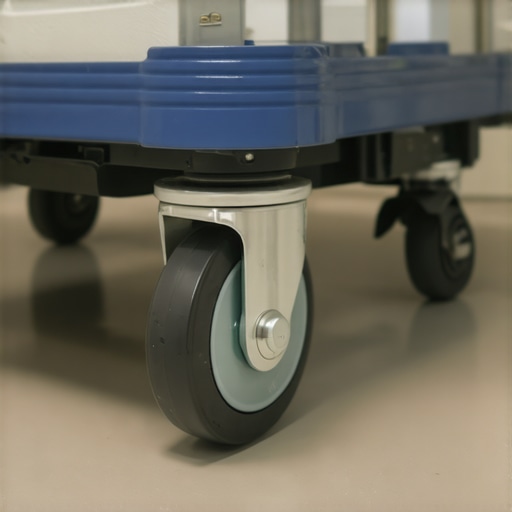
Stability isn’t just for the OR; it’s vital for patient mobility too. I recently switched my team to 5 high-traction patient gait belts that wont slip on satin gowns. Before this, we were constantly readjusting belts that would slide up toward the patient’s armpits, causing discomfort and instability. This is the kind of practical upgrade that doesn’t cost a fortune but changes the daily workflow. For transport, I always recommend 8 infusion pump stands that wont wobble during emergency transport. When you’re moving a patient at 4 AM, the last thing you want is a stand that fights you every step of the way or feels like it might tip if you hit a door threshold.
How do I keep my gear stable for years?
The secret is a combination of regular caster cleaning and surface re-texturing. Every six months, I have my team perform a ‘friction audit’ where we test the grip of our liners and the stability of our stands. We are already seeing medical devices innovation future trends to watch in 2025 that include built-in wear indicators on high-friction surfaces. In the future, I predict we will have AI-integrated sensors in stands that alert staff to tipping risks or friction loss before an accident happens. For now, rely on a strict maintenance schedule and don’t be afraid to retire equipment that has lost its ‘bite.’ My best advice? Try a ‘friction audit’ this week. Pick your three most-used trays and see if they still stay put when the stand is at a 15-degree angle. If they slide, it’s time for a change.
The Reality Check Behind Equipment Drift
I spent years thinking that a sliding tray was just an inevitable part of a busy shift, but I was wrong. The biggest ‘lightbulb moment’ for me happened when I realized that Medical Devices should never require more attention than the patient. Here are a few hard-won truths from my time in the trenches: First, friction is a consumable resource—if you are using the same silicone mats for three years, they aren’t protecting you anymore. Second, weight is a poor substitute for balance; a well-engineered, lightweight stand is safer than a heavy, unbalanced one every single time. Finally, the silence of a perfectly stable setup is the greatest gift you can give your surgical team. When you stop worrying about the gear moving, you start focusing entirely on the procedure.
Where I Turn for Trustworthy Equipment Standards
Building a stable clinical environment doesn’t happen by accident. I rely on a few specific resources and strategies to ensure my facility remains a ‘zero-drift’ zone. I always start with an essential guide to choosing reliable medical devices for clinics to vet any new manufacturer. For keeping up with the rapid pace of change, I monitor the latest medical equipment technologies transforming hospitals to see which brands are innovating in base-weight distribution and caster locking mechanisms. When budget is a concern, I look for affordable medical devices that dont compromise on quality, focusing specifically on those that use high-grade polymers instead of cheap, slippery plastics. These sources have helped me move away from ‘quick fixes’ toward a more revolutionizing patient care with advanced medical equipment approach that prioritizes long-term stability.
#IMAGE_PLACEHOLDER_E#
The Future of Precision is Tactile
We are entering an era where our tools will actively work to stay in place. As we look toward medical devices innovation future trends to watch in 2025, we can expect to see more smart-grip surfaces and self-leveling bases. But you don’t have to wait for the future to improve your clinical outcomes today. By simply auditing your current medical supplies and prioritizing high-friction interfaces, you can significantly reduce the cognitive load on your staff. Don’t let a sliding tray be the thing that breaks your focus. It’s time to demand more from your equipment and create a workspace that stays exactly where you put it. Have you ever had a piece of equipment fail or slide at the worst possible moment? Let me know your stories in the comments below.