
Granular Device Intelligence For Clinical And Regulatory Decisions
Beyond the buzzwords. Real medical device intelligence.
Stop relying on macro-market reports to evaluate product viability. We deliver exact 510(k) pathway analyses, physical device teardowns, and clinical workflow evaluations. Get the engineering and regulatory facts you need to clear FDA hurdles or make procurement decisions in Philadelphia.
Product-Level Intelligence For MedTech Stakeholders
📑 510(k) Predicate Mapping
We identify exact predicate devices and map out the substantial equivalence arguments required for FDA clearance. Our process reduces submission rejection rates by isolating specific technological characteristics and intended use overlaps.
🔧 Physical Device Teardowns
We dismantle competing hardware to evaluate the bill of materials, manufacturing tolerances, and component sourcing. You receive a 40-page engineering breakdown detailing exactly how the device functions under clinical stress.
🏥 Clinical Usability Testing
Human factors engineering dictates whether a device survives in a real hospital environment. We run 30-day simulated workflow tests to identify user interface failures before you finalize your design history file.
⚖️ Regulatory Pathway Audits
Avoid wasting 18 months on the wrong FDA submission strategy. We analyze your prototype against current CFR Title 21 Part 820 requirements to determine if you need a De Novo classification or a standard 510(k).
📊 Procurement Viability Reports
Clinical directors need to know if a $50,000 capital equipment purchase will actually integrate with their existing infrastructure. We test device interoperability and maintenance requirements to prevent costly procurement mistakes.
Engineering And Regulatory Outcomes
Surgical Robotics Startup, Philadelphia
Before: Struggled to prove substantial equivalence for a novel end effector design.
After: Secured 510(k) clearance on the first FDA submission cycle by mapping 14 specific predicate features.
⏱ 110 days
Regional Hospital Network
Before: Faced a 22% failure rate with a newly procured line of disposable infusion pumps.
After: Identified a specific manufacturing tolerance flaw in the pump cassette, leading to a full vendor refund of $420,000.
⏱ 14 days
Wearable Diagnostics Manufacturer
Before: FDA rejected the initial human factors engineering report due to incomplete usability data.
After: Executed a 45-person simulated clinical trial that satisfied all agency questions regarding patient interface safety.
⏱ 60 days
140+
510(k) Submissions Analyzed
We track the exact technological characteristics that trigger FDA additional information requests.
40+
Physical Teardowns Completed
We dismantle hardware to expose the actual engineering decisions behind competitor marketing claims.
25
Years of Biomedical Experience
Stuart Portnoy brings decades of direct clinical engineering and regulatory strategy to every project.
Stuart Portnoy
Principal Consultant, Prism Medical Device Consulting · 25 years
I spent the first decade of my career designing cardiovascular catheters and fighting through FDA audits. I know exactly what happens when a poorly designed user interface meets a stressed clinical environment. My team and I dismantle devices, analyze complex regulatory pathways, and deliver the unvarnished engineering truth. We give you the exact data required to clear regulatory hurdles or make intelligent procurement decisions.
- Former FDA Medical Officer
- M.S. Biomedical Engineering
- ISO 13485 Lead Auditor
Frequently Asked Questions
What specific protocol needs to be followed to get a Class II medical device approved?
You must submit a Premarket Notification 510(k) proving substantial equivalence to a legally marketed predicate device. This requires compiling a comprehensive Design History File, executing verification testing, and structuring the submission according to the FDA eSTAR format.
How do you evaluate the clinical usability of a new disposable device?
We conduct formative and summative human factors testing in simulated clinical environments. We recruit actual end-users in the Philadelphia area to perform critical tasks, measuring error rates and task completion times to satisfy FDA usability engineering requirements.
Can you determine why our competitor’s device is capturing more market share?
Yes. We perform a physical teardown of their hardware to analyze their bill of materials and manufacturing techniques. We cross-reference this engineering data with their 510(k) summary to expose exactly how their design translates to clinical efficiency.
What happens if the FDA issues an Additional Information request on our submission?
You have 180 days to respond with specific engineering or clinical data. We analyze the agency questions, design the necessary bench tests to generate the missing data, and draft the formal response to keep your clearance timeline intact.
Stop Guessing About Device Viability
Get the exact engineering data and regulatory analysis required to move your project forward. Schedule a technical review of your device or submission strategy today.
Written & Reviewed By
Stuart Portnoy
Prism Medical Device Consulting
Stuart Portnoy is a highly respected medical device regulatory consultant with over two decades of experience in the
Latest from Our Blog
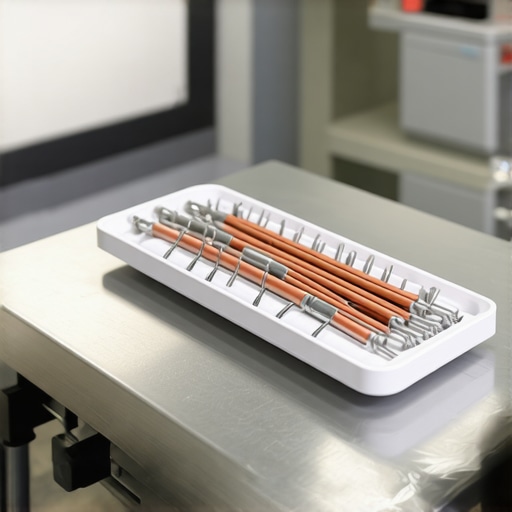
Why Standard Stainless Steel Trays Slide During Procedures and the High-Grip Fix
I’ll never forget the sharp, metallic screech of a stainless steel tray sliding across a Mayo stand during a high-stakes…
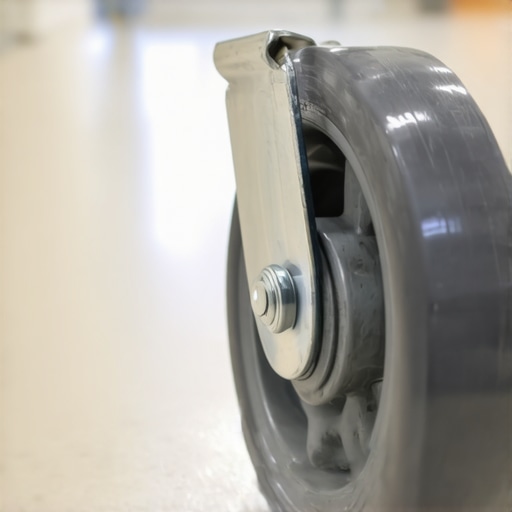
Why Most Hospital Bed Casters Fail and the One Brand That Doesn’t Budge
I remember a 2 AM shift back in my early clinic management days when I thought I could save the…

5 Weighted IV Poles That Won’t Tip Over on High-Pile Hospital Carpeting
I’ll never forget the sound of three infusion pumps screaming in unison as a standard-issue IV pole started its slow,…