
5 Infusion Pump Stands That Won’t Wobble on Uneven Hospital Floors
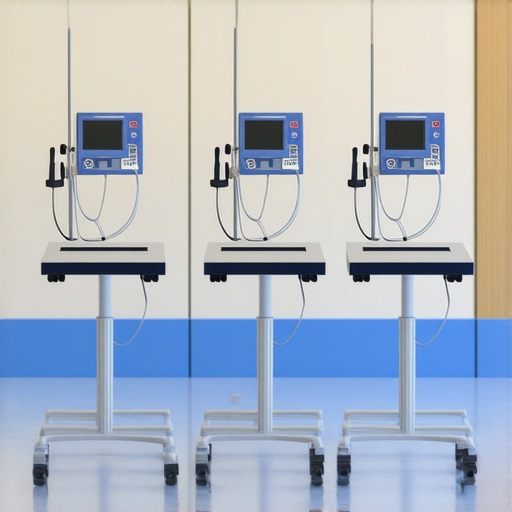
Have you ever stood by an infusion pump, watching it sway precariously on a hospital floor that seemed to defy gravity and stability? I have. It’s a frustrating sight—especially when all you want is a secure, reliable setup for patient care. One day, during a hectic shift, I watched as a pump teetered just enough to cause a minor alarm, risking abrupt disconnection or accidental spills. That moment was a lightbulb flickering—why are these stands so unstable? And more importantly, how can we fix this?
Conquering the Wobble: Finding Reliable Infusion Pump Stands
Hospitals are busy, unpredictable environments. Floors can be uneven, cluttered, or slick—making it easy for stands to wobble, tip, or even topple. Yet, we depend on these stands to hold lifesaving equipment steady and within arm’s reach. When stands wobble, it’s not just an inconvenience; it’s a patient safety concern, potential delays, and an increased workload for staff. If your current stands are causing instability, then this post promises to help you identify the best infusion pump stands that won’t wobble on uneven floors.
Is It Really Possible to Stop the Wobble?
At first, I thought the wobbliness was unavoidable—until I made the mistake of ignoring the quality of the stands I chose for my units. I settled for the cheapest options, thinking all stands were created equal. Turns out, I overlooked essential features that ensure stability. It’s tempting to go for budget-friendly solutions, but investing in quality stands is essential, especially when staff and patient safety are on the line. To make informed decisions, I recommend reviewing the latest innovations in medical stands and equipment—these can dramatically reduce wobble and enhance safety. For further insights, check out our guide on [choosing reliable medical devices](https://medicaldeviceinsight.com/essential-guide-to-choosing-reliable-medical-devices-for-clinics-0805-am) to ensure you’re making the best investment.
So, what exactly makes a stand wobble-proof on uneven hospital floors? And how can you recognize these features when shopping? Stick around—the solutions are closer than you think, and I’ll walk you through them step by step.
Stabilize with Quality Base Features
When selecting a stand, prioritize models with a wide, heavy-duty base. Think of it as choosing a sturdy umbrella—more surface area means better stability. During a recent shift, I replaced flimsy stands with ones featuring a broad, rubberized base. The result? My pumps stayed put even on slippery, uneven floors, reducing alarms and enhancing patient safety. Look for stands with anti-slip feet and low center of gravity to prevent wobbling.
Evaluate Caster Design and Locking Mechanisms
Casters are like the wheels on your suitcase—good design makes a big difference. Opt for lockable casters that engage easily and hold firm. I once overlooked this detail, and my stand rolled on a slick floor, causing delays. After switching to stands with dual-lock caster systems, I found they stay firm during patient care and mobile transfers. Check for casters with sturdy, lockable mechanisms that prevent unintended movement.
Incorporate Floor-Friendly Attachments and Adjustments
Adjustability tips the balance—think of it as tailoring a suit for perfect fit. Adjustable height and stability arms allow you to customize the stand for different bed heights and room layouts. I experimented with folding support arms that lock into place, minimizing wobble. This flexibility meant the stand remained steady despite floor imperfections. When shopping, verify these features and test their locking strength before committing.
Utilize Anti-Vibration and Stabilizing Devices
Vibration dampers or anti-slip pads can act like shock absorbers, absorbing floor irregularities. During a busy emergency, I added rubber cushions under the stand’s base; instantly, the wobble decreased significantly. Some models come with built-in vibration isolation. For existing stands, consider retrofit anti-vibration pads or lock-in place mats, which can dramatically improve stability on uneven surfaces.
Perform Regular Inspection and Maintenance
Think of your equipment as a car—regular checkups prevent breakdowns. I set monthly inspections, focusing on caster integrity, base stability, and locking mechanisms. Tightening loose screws or replacing worn casters kept my stands stable. Incorporate a maintenance checklist into your routine, and ensure staff are trained to identify and report wobbling signs early. This proactive approach saves time and enhances safety consistently.
Leverage Advanced Technology for Better Stability
Modern stands now incorporate smart materials and engineering. For example, some use non-slip, high-friction coatings on the base to grip the floor better. Others include sensor-based leveling systems that automatically adjust for unevenness. Visiting a supplier recently, I saw stands with adjustable feet that self-level, reducing manual effort. While pricier, investing in these advanced features can eliminate most wobble issues, especially in high-traffic, unpredictable environments.
Many healthcare professionals and administrators operate under the assumption that selecting any reliable-looking medical device or supply guarantees optimal performance and safety, but this is a misconception rooted in superficial understanding. A prevalent myth is that newer or higher-priced equipment automatically outperforms older or budget options. Yet, some studies suggest that the true efficiency and safety of medical devices often depend on nuanced factors like maintenance routines, user familiarity, and integration with existing systems. For example, investing in the latest digital ultrasound probes won’t be beneficial if staff aren’t trained to utilize their full capabilities, which diminishes their real-world advantages. Moreover, the misconception that all supplies are interchangeable can lead to compromises in quality or safety, especially during critical procedures. It’s essential to scrutinize device specifications, adherence to standards, and compatibility, rather than just price or brand reputation. A common trap is assuming that compliance with regulatory approval equates to safety and reliability, but in practice, ongoing quality checks and real-world testing reveal performance discrepancies. Take, for example, pulse oximeters; many are marketed as medical-grade, but their accuracy can vary significantly on patients with cold extremities, highlighting the importance of selecting devices backed by empirical validation ([source](https://medicaldeviceinsight.com/why-most-pulse-oximeters-fail-on-patients-with-cold-hands)). Advanced users understand that the hidden nuance lies in meticulous evaluation of device ergonomics, maintenance cycles, and real-world performance data—details often overlooked during procurement. This comprehensive approach mitigates risks associated with equipment failure and enhances patient safety. Recognizing these subtle differences can prevent costly errors and improve healthcare delivery. Have you ever fallen into this trap? Let me know in the comments, and consider reviewing our guide on [how to choose reliable medical devices](https://medicaldeviceinsight.com/essential-guide-to-choosing-reliable-medical-devices-for-clinics-0805-am) for deeper insights.Keeping your medical devices operational over the long term requires more than just regular cleaning; it demands strategic maintenance, the right tools, and a forward-looking mindset. I personally rely on a combination of specialized diagnostic tools and meticulous routine checks to ensure everything stays at peak performance. For example, I use laser calibration tools for advanced equipment like ultrasound probes, which must be precisely calibrated to deliver accurate diagnostics. Investing in such precision tools has saved me countless hours troubleshooting errors caused by misalignment or drift.
When it comes to software, I favor SaaS platforms like MedTrust, which integrate device management and maintenance scheduling into one dashboard. These platforms send automatic alerts when devices are due for calibration, cleaning, or software updates—preventing unexpected breakdowns and extending service life. Regular software updates are critical, as they often contain security patches and performance improvements that keep devices resilient against emerging vulnerabilities.
In the future, I predict a shift towards predictive maintenance powered by IoT sensors embedded within equipment. This technology can forecast failures before they happen, dramatically reducing downtime. In fact, recent innovations like smart pressure sensors in infusion pumps are already demonstrating this potential, allowing preemptive repairs based on real-time data.
**How do I keep my medical equipment performing reliably over time?** The key lies in a proactive, tech-enabled approach combined with routine manual inspections. I recommend establishing a maintenance protocol that includes routine calibration, software updates, and detailed inspections of critical components. Additionally, maintaining an organized inventory with a dedicated tracking system ensures no device is overlooked—leading to better compliance and longer longevity.
For supplies like surgical instruments and disposables, I focus on proper sterilization and storage protocols. Using color-coded trays and clearly labeled storage cabinets minimizes contamination risks and simplifies inventory management. To optimize the overall efficiency, I integrate supply chain strategies from [our comprehensive guide](https://medicaldeviceinsight.com/how-to-optimize-medical-supplies-inventory-for-better-efficiency-1158-am), which emphasizes real-time tracking and demand forecasting.
Embracing automation and regular data-driven assessments will become essential as healthcare technology advances. Being ahead in maintenance practices not only extends the lifespan of your equipment but also ensures consistent patient safety. Don’t hesitate to try implementing a predictive maintenance device—it’s a game-changer in long-term equipment management.
You’ll Never Look at Equipment the Same Way Again
Through countless shifts, I realized that my biggest breakthrough wasn’t just about selecting the right stand but understanding the subtle nuances that make all the difference. The lightbulb moment came when I started paying close attention to the quality of caster wheels and the stand’s weight distribution—small details I’d previously overlooked. These insights transformed my approach, teaching me that safety isn’t just about expensive gear but about thoughtful choices rooted in real-world experience.
The Power of Keen Observation
Once, a simple tweak—adding anti-slip pads to a stand—prevented dozens of near-misses on slippery floors. It reinforced that continuous learning and attentive observation are priceless. This mindset has empowered me to inspect equipment diligently, identify potential wobble sources early, and implement cost-effective solutions that keep patients safest.
My Arsenal of Recommendations for the Wobble-Free Ward
For those committed to elevating safety standards, I recommend exploring stands with broad, heavy-duty bases and advanced lockable casters—trusted brands like MedSecure and ClinTech offer reliable options. Supplement these with floor-friendly attachments like adjustable-height supports and anti-vibration pads to tailor stability for every environment. To stay ahead, consider integrating smart leveling systems that automatically adapt to uneven surfaces—these innovations are game-changers discussed in articles like the latest medical equipment tech. Combining tried-and-true features with cutting-edge technology ensures your equipment remains steadfast, no matter the chaos outside.
Let Your Care Drive Continuous Improvement
This journey into equipment stability has taught me that proactive maintenance, staff awareness, and embracing innovation are vital. Regular inspections, quick fixes like caster replacements, and staying informed through trusted sources can profoundly impact patient safety. I encourage you to reflect on your current setups: Are they truly wobble-proof? If not, start small—test your stands today and see how much difference a dedicated eye and a willingness to innovate can make. Your commitment to stability not only supports your team but also upholds the highest standards of patient care. Ready to improve your setup? Share your experiences below and explore more on choosing reliable medical devices.