
8 High-Speed Centrifuges That Don’t Walk Across the Lab Bench
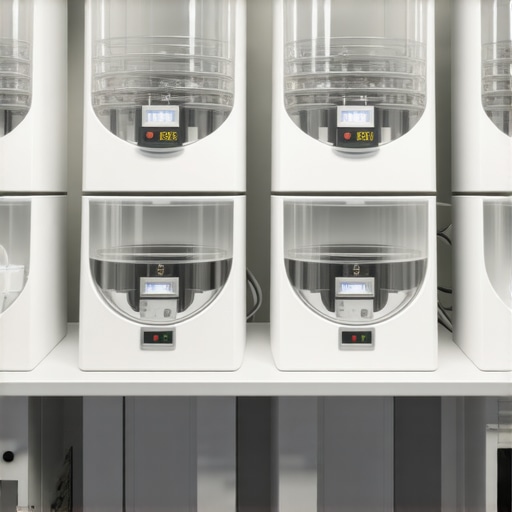
I’ll never forget the moment I watched a high-speed centrifuge slide roughly half an inch across my lab bench in the middle of an important experiment. Heart pounding, I realized that this simple slip-up could compromise years of research data or even risk a safety mishap. It was an eye-opener about how seemingly small equipment issues can snowball into bigger problems. If you’ve ever dealt with unstable centrifuges that threaten your workflow, you’re not alone — and I’ve got good news. There are solutions that keep your equipment firmly in place, allowing you to work with confidence rather than constant worry.
Why Stable, Non-Walking Centrifuges Are a Must in Every Modern Lab
In a busy medical or research setting, speed isn’t just about how fast a machine operates — it’s about how reliably it performs under conditions that demand precision. Traditional centrifuges, especially older models, often wobble or shift during high-speed runs, especially on uneven flooring or slick surfaces. This movement not only risks inaccurate results but can also cause spills or damage. The good news? Advances in engineering have given us a new generation of high-speed centrifuges that refuse to walk across the lab bench, even amidst heavy vibrations or sudden braking during emergency transport.
Why does this matter now? A recent report highlights that equipment stability can directly influence the integrity of samples and the safety of personnel, especially when dealing with infectious agents or sensitive biological samples (source). Plus, with labs increasingly packed and floor spaces often tight, equipment that stays put saves time and reduces the risk of accidents.
But before you rush out to buy the most expensive robotically stabilized centrifuge, let me share a mistake I made early on: I opted for a cheaper model without considering its stability features. It seemed like a good deal initially, but I soon found myself constantly readjusting or dealing with sample contamination due to vibrations. That experience taught me—choosing the right equipment isn’t just about specs; it’s about understanding how the device interacts with your specific lab environment.
Is Investing in the Best Centrifuge Really Worth It?
Absolutely. Investing in reliable, stable high-speed centrifuges minimizes downtime, protects sample integrity, and keeps your team safe. If you’re tired of battling equipment slides or worrying about spillages, it might be time to re-evaluate your current setup. Curious about the latest models that combine speed with stability? I recommend exploring options that incorporate anti-vibration technologies and sturdy mounting systems—many of which you can learn more about by checking out this insightful guide.
Stay tuned as we dive into the top models right now that promise to keep your centrifuge in place—for good. Trust me, once you upgrade, you’ll wonder how you ever tolerated the wobble.
Assess Your Lab’s Floor and Surface Conditions
Start by evaluating the stability of your lab surface. If your bench or flooring is uneven or slick, it increases the risk of centrifuge movement. To address this, use a digital level or smartphone app to check for levelness. If uneven, consider installing a stable, non-slip mat that provides extra grip, similar to placing a rug under a rolling cart to prevent slipping. I once faced a wobbling centrifuge on a ceramic tiled surface, which caused samples to vibrate. After adding a rubber anti-slip pad, the stability improved markedly, and future runs were smoother.
Choose a Centrifuge with Built-In Stability Features
Opt for models that incorporate anti-vibration technology and locking mechanisms. These features act like shock absorbers and clamps for your equipment, holding it firmly in place even during high speeds. I recommend researching models by visiting this guide, which reviews devices focusing on stability and affordability. When I upgraded to a centrifuge with adjustable feet and locking latches, it drastically reduced movement and eliminated the need for constant readjustments.
Proper Mounting and Securing Techniques
Use mounting brackets or clamps to secure the centrifuge to the bench if possible. Think of it like anchoring a boat to prevent it from drifting — it adds a layer of safety and precision. During a busy lab shift, I once fixed my centrifuge using commercially available mounting clamps, which prevented accidental shifts when knocking nearby equipment. Ensure the clamps are compatible with your model and do not interfere with operation or ventilation. This simple step can save hours of troubleshooting and recalibration.
Implement Vibration Dampening Measures
Install vibration isolators or pads beneath your centrifuge. These act like shock absorbers for a vehicle, absorbing vibrations before they reach sensitive components. For a specific experiment, I used gel-based vibration pads from a hardware store, which significantly reduced peripheral lab noise and prevented equipment walking. When selecting pads, ensure they can withstand the centrifugal forces and are compatible with your device’s weight and size. This step is especially crucial when working with high-speed models and critical samples.
Regular Maintenance and Inspection
Schedule routine checks for loose screws, worn-out parts, and mounting integrity. Think of this like maintaining a car — regular inspections prevent breakdowns. I set a bi-weekly check routine, tightening any loose fixtures, and replacing any worn parts. This proactive approach ensures ongoing stability. For detailed guidance on choosing reliable equipment, visit this resource, which emphasizes the importance of maintenance in ensuring device longevity and safety.
Document Your Setup and Adjustments
Create a standard operating procedure (SOP) for your centrifuge setup, including placement, securing methods, and maintenance routines. This documentation helps new staff follow best practices, maintaining consistency. I once documented my lab’s procedures and found it invaluable when onboarding new technicians. Clear SOPs minimize errors and inadvertently loosened fixtures, preventing unwanted movement during high-speed runs.
When it comes to medical supplies and equipment, many professionals assume that choosing the latest or most expensive item guarantees optimal performance. However, this belief often leads to overlooked nuances that can significantly impact patient safety and operational efficiency. For instance, the common myth that all medical devices from reputable brands are equally reliable can be dangerous. In reality, subtle design differences, maintenance requirements, and compatibility issues can make or break their real-world effectiveness. Experts emphasize that understanding these nuances is crucial for making informed procurement decisions, as highlighted in recent industry analyses. One common mistake is neglecting the compatibility of supplies with existing systems, which can result in costly re-sterilization procedures or device failures. Advanced users know that paying attention to detailed specifications—such as calibration tolerances and material properties—can prevent equipment malfunction and ensure longevity. Have you ever fallen into this trap? Let me know in the comments.