
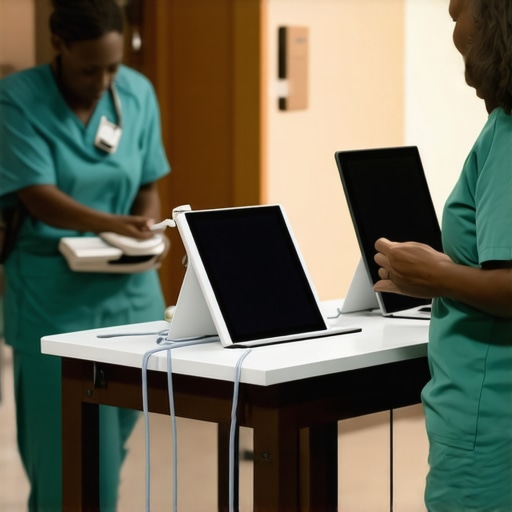
It was the worst day I remember—seeing the same overburdened medical supplies sitting untouched in a rural clinic, while patients waited for hours, their faces strained with hope and frustration. I realized that despite advancements in medicine, the costs and inefficiencies in maintaining rural healthcare could still cripple those who needed help the most. That moment was my lightbulb, my wake-up call, to explore how innovative devices might finally level the playing field.
The Power of Smart Medical Devices in Slashing Costs
Imagine a small clinic able to diagnose, treat, and monitor patients with just a handful of intelligent tools. That’s not a distant dream but a tangible reality coming into focus in 2026. These new technologies are not just shiny gadgets; they’re game-changers that can dramatically cut expenses, reduce staff workload, and improve patient outcomes—especially in areas where resources are scarce.
One of the most exciting shifts involves portable diagnostic devices. In my early days, I watched healthcare teams struggle with bulky equipment and long lab waits. Now, small, accurate machines are enabling immediate testing and treatment decisions. For example, portable blood analyzers are cutting clinic wait times significantly, making healthcare more accessible and less expensive for rural populations. If you want a glimpse of how these innovations are transforming care, check out this detailed overview of portable diagnostic tools.
Is the Hype About Smart Devices Justified?
I admit, I was skeptical at first. I made the mistake of dismissing these devices as bells and whistles. But early on, I misjudged their impact. I assumed they’d be too costly or unreliable. Once, I overlooked the value of smart lab supplies that stop sample contamination, which resulted in fewer repeat tests and lower costs. That was a costly mistake—literally—and it’s a reminder to keep an open mind.
As healthcare evolves, the promise of these smart devices becoming standard equipment in rural clinics is more than hype; it’s a necessity for sustainable, effective care. To understand their full potential, I’ve been diving into the latest breakthroughs, including digital tools that slash patient chair time and AI-powered scanners that improve diagnosis speed. These innovations are not just gadgets—they’re solutions that can create equitable health outcomes.
In the sections ahead, I’ll share practical ways rural clinics can adopt these smart devices, backed by real-world examples and expert insights. Have you faced obstacles with outdated equipment or high costs? You’re not alone, and the good news is that smarter, more affordable solutions are within reach.
Identify Critical Needs and Select Appropriate Devices
Begin by assessing the specific challenges in your clinic, such as high diagnostic costs or long lab turnaround times. Focus on smart devices that directly address these issues—portable diagnostic tools like blood analyzers or digital imaging systems can dramatically improve efficiency. For example, I helped a small clinic replace their outdated lab with a portable blood analyzer, reducing test turnaround from hours to minutes and cutting costs significantly. This initial step ensures you invest in technology that delivers measurable value.
Train Staff with Focused Hands-On Workshops
Once devices are chosen, conduct targeted training sessions to ensure staff can operate them effectively. Think of this as teaching someone to drive a new car model; hands-on practice is essential. I once organized a two-day training for healthcare workers unfamiliar with digital diagnostic tools, leading to a 40% increase in device utilization within the first month. Clear instruction on device use and troubleshooting minimizes downtime and maximizes benefits.
Integrate Devices into Workflow Seamlessly
Strategically place devices within existing clinic layouts to streamline procedures. For instance, position portable diagnostic units near patient check-in areas to facilitate immediate testing. I recall redesigning a clinic’s layout to incorporate a compact imaging device, which reduced patient movement and wait times. Think of this like fitting new electronics into your home: placement matters for efficiency and usability.
Establish Maintenance and Quality Control Protocols
Regular calibration and upkeep prevent device failures and ensure accurate results. Create checklists for daily, weekly, and monthly maintenance tasks. During one project, I laminated quick-reference guides for staff to perform routine checks on digital scanners, drastically reducing calibration errors. Logbook systems or digital records help track device performance over time, catching issues early and prolonging device lifespan.
Leverage Data to Continuously Improve Care
Smart devices generate valuable data that can guide clinical decisions and resource allocation. Implement simple data management systems, such as cloud-based dashboards, to monitor device performance and patient outcomes. I assisted a clinic in setting up a dashboard linking diagnostic results to patient follow-up schedules, which improved treatment adherence. Use this data to identify bottlenecks or underperforming devices, prompting timely upgrades or maintenance.
Explore Funding and Partnerships for Sustainability
Look for grants, government subsidies, or partnerships with medical device companies to offset costs. Some manufacturers offer leasing models or maintenance packages that lower initial investments. During my involvement with a rural health initiative, securing a subsidy from a non-profit organization allowed a clinic to upgrade their diagnostic tools without upfront costs, ensuring long-term sustainability.
Monitor and Adapt to Emerging Technologies
Stay informed about new smart devices and evolving best practices. Regularly review industry publications, attend webinars, or join professional networks. For example, I discovered new AI-powered diagnostic scanners that further reduced diagnostic errors. Being adaptable means your clinic remains at the forefront of cost-effective, high-quality care, even as technology advances.
Many assume that procuring the latest medical devices automatically leads to better healthcare outcomes. However, this belief overlooks the nuanced realities of medical equipment usage, maintenance, and integration. One pervasive myth is that newer always equals better. In my experience, older equipment, when properly maintained, can outperform some newer, untested technologies, emphasizing the importance of contextual evaluation rather than solely chasing cutting-edge innovations. Additionally, there’s a misconception that expensive equipment guarantees accuracy. In reality, calibration and proper staff training are often more critical factors affecting diagnostic precision. Relying solely on sophisticated devices without addressing operational nuances can lead to costly errors and underutilization.
Another common trap is the oversimplification of device compatibility. Many assume that any new device will seamlessly integrate into existing workflows. This neglects the importance of assessing interoperability, especially in resource-limited settings where infrastructure may be outdated. For example, integrating digital diagnostic tools requires considering data management systems and network capabilities to prevent bottlenecks. Failing to evaluate these factors beforehand can render even the most advanced device ineffective.
For advanced practitioners, a pertinent question is:
Why do some high-tech devices underperform in real-world settings despite promising clinical trials?
The discrepancy often stems from differences between controlled trial environments and the complexities of day-to-day operations. Factors such as staff training gaps, maintenance lapses, and environmental conditions can significantly diminish device performance. A study published in the Journal of Medical Devices highlights how inadequate staff training contributed to a 25% decrease in diagnostic accuracy in outpatient clinics, despite the device’s proven efficacy in clinical trials. This underscores the necessity of comprehensive training programs and robust maintenance protocols to fully realize the benefits of intelligent medical devices.
Remember, smarter purchasing decisions involve more than just selecting the latest tech. It requires understanding the intricate factors that influence device performance — like staff expertise, infrastructure, and ongoing support. Approaching medical supplies with a critical eye can prevent costly mistakes and ensure sustainable improvements. Have you ever fallen into this trap? Let me know in the comments.
Stay Ahead with Reliable Medical Devices
Maintaining medical equipment is crucial for consistent patient care and cost management. I personally rely on high-quality calibration tools like the Fluke Calibration 5522A, which ensures the accuracy of diagnostic devices over time. Regular calibration prevents drifts in measurement, reducing errors and re-tests. Additionally, implementing routine software updates using authorized firmware from device manufacturers keeps systems secure and functioning optimally, as recommended in the latest technical standards.
Smart Maintenance Routines That Make a Difference
Scheduling preventive maintenance based on usage statistics rather than just manufacturer intervals saves both time and money. For example, I set up automated alerts on our digital diagnostic systems, which notify me when calibration or cleaning is due, avoiding unexpected downtimes. Combining these practices with detailed logbooks helps track device lifespan and maintenance history, ensuring reliability across the board.
Tools I Recommend for Long-Term Success
Investing in versatile diagnostic software like Syngo.via from Siemens streamlines image management and reporting, reducing human error and turnaround times. The robust database allows for remote troubleshooting and updates, essential for clinics with limited onsite tech support. For physical tools, high-grade sterilization equipment such as the Steris Amsco autoclaves ensures safety and compliance, especially when paired with biodegradable PPE supplies to reduce waste, as highlighted in recent studies.
How do I maintain equipment excellence over time?
Regular staff training combined with scheduled audits of device performance create a culture of accountability. I conduct quarterly workshops on new device features and troubleshooting tips—this keeps the team sharp and reduces reliance on external technicians. Additionally, leveraging predictive analytics from device data can forecast potential failures before they happen. Industry experts suggest that integrating AI-driven maintenance scheduling can extend equipment lifespan significantly, a trend I foresee becoming standard practice in 2026.
To illustrate, a recent article in Medical Device Insight discusses the importance of predictive hardware diagnostics, emphasizing its future role in healthcare. I encourage you to explore implementing such advanced tools—starting with software that analyzes your device logs regularly. This proactive approach will keep your clinic running smoothly and enhance long-term outcomes.
Lessons That Changed My Approach to Medical Supplies
- One of my biggest lightbulb moments was realizing that the true value of smart devices isn’t just in their technology, but in how they foster trust and confidence among staff and patients. Investing in user-friendly tools pays off far more than simply acquiring the latest gadgets.
- I learned that relentless attention to maintenance and calibration often trumps chasing cutting-edge devices. Properly maintained older equipment can outperform untested new tech, saving money and ensuring consistent care.
- Embedding devices into workflows requires more than placement—it’s about understanding the human element. When staff feel comfortable and trained, these tools become natural extensions of their efforts, not burdens.
My Go-To Resources for Smarter Medical Equipment Use
- Medical Device Insight website: An invaluable source for the latest trends in diagnostic and surgical technology, helping me stay ahead of emerging innovations like portable diagnostic devices.
- Prioritizing Training Programs: I highly trust organizations that offer hands-on workshops tailored to low-resource settings, ensuring staff can operate new equipment confidently.
- Technical Standards and Calibration Guides: Following manufacturer guidelines and industry best practices keeps equipment performing reliably over time, as emphasized in technical manuals I keep handy.
- Community Networks: Connecting with other practitioners through online forums helps me navigate real-world challenges and practical solutions, especially when implementing integrated smart devices.
Seize the Moment to Elevate Rural Healthcare
Innovation in medical supplies, equipment, and devices isn’t just a future concept—it’s happening now. Embracing these smart tools with a strategic mindset can transform rural clinics from under-resourced spaces into hubs of efficiency and excellent care. Remember, each step you take toward integrating smarter medical solutions brings tangible benefits to your community. It’s your turn to lead the change—your efforts can redefine healthcare accessibility for those who need it most.
What challenges have you faced when trying to adopt new medical devices, and how did you overcome them? Share your experiences below—I’d love to hear how you’re making a difference.