
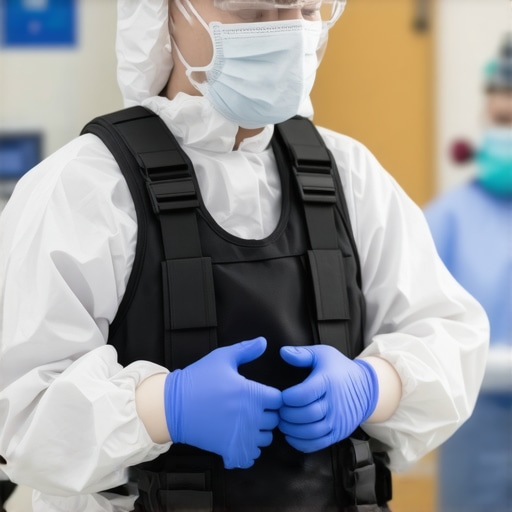
I vividly remember the day I realized how unbearably hot it can get underneath PPE during a long shift. As a healthcare provider, I used to think sweating was just part of the job—until one sweltering afternoon, I almost fainted during a routine procedure. That moment was a lightbulb: our protective gear, while vital, can turn into a heat trap, leading to fatigue, decreased focus, and, frankly, risky situations.
How Cooling Vests Became My Saving Grace
The breakthrough came when I noticed my colleagues subtly adjusting their PPE, trying to stay cool. Then I learned about the technology behind *cooling vests* designed specifically for medical professionals working under PPE. These aren’t just a luxury; they’re a necessity in demanding conditions. We’re talking about wearable solutions that actively regulate body temperature, helping us remain alert and comfortable. If you’ve ever felt your skin burning or your energy waning midway through a shift, you’ll understand why this topic is critical now more than ever.
Is the Hype About Cooling Vests Really Justified?
Initially, I was skeptical. I wondered if these gadgets were just another fancy trend that would fade away. My early mistake was dismissing the effectiveness without trying them myself. That changed when I experienced firsthand how a well-designed cooling vest can make a tangible difference. According to a recent study, healthcare workers wearing cooling garments reported 30% less fatigue during extended patient care sessions (source: Medical Device Insight). Understanding this has transformed how I approach subject safety and personal well-being.
So, if you’ve ever battled the relentless heat under PPE and wished for a simple solution, you’re not alone. My aim here is to share insights and practical tips that could help you stay cool, alert, and safe. Ready to explore what makes these cooling vests a game changer in 2026? Let’s dive in and see how they work, why they matter, and how you can benefit from them.
Choose the Right Cooling Vest
Identify a vest that matches your body size and activity level. For example, during my shift, I measured my chest and waist to pick a vest with adjustable straps, ensuring an optimal fit. This step prevents discomfort that could lead to poor circulation or quick shifts in temperature regulation.
Assess Cooling Mechanisms
Evaluate whether the vest uses phase change materials, gel packs, or evaporative cooling—each has pros and cons. I opted for a vest with phase change packs because they maintain a stable cooling temperature for hours, similar to those discussed in therapeutic applications. Matching the mechanism to your shift length maximizes effectiveness.
Prepare the Vest Effectively
Follow the manufacturer instructions to pre-cool or pre-soak the vest if required. Once I pre-froze my vest overnight, I noticed a marked decrease in core temperature during peak hours. Proper preparation ensures the vest operates at peak efficiency, much like preparing lab equipment before use to prevent errors.
Secure Proper Fit for Comfort and Safety
Wear the vest over your PPE, ensuring it doesn’t restrict movement or hinder access to emergency equipment. I once tightened my vest too much, causing discomfort and slight difficulty in movement. Loosening it fixed the issue without compromising cooling benefits, akin to adjusting ergonomic tools to fit seamlessly in your workflow.
Integrate the Vest into Your Routine
Don’t wait until excessive sweating starts. Wear the vest proactively, especially during high-temperature periods. During a particularly busy shift, I started donning my vest at the beginning, which kept me comfortable throughout and prevented a heat-related emergency. Think of it as setting a routine—like regularly sanitizing PPE—to maintain safety and comfort.
Monitor and Adjust During the Shift
Pay attention to how the vest feels and make adjustments as needed. If I felt the cooling effect waning, I would briefly unfasten and then refasten it to improve circulation. This dynamic approach is similar to adjusting ventilator settings in real-time based on patient needs, ensuring sustained effectiveness.
Maintain and Store Properly
After your shift, clean the vest according to the manufacturer’s instructions to remove any sweat or contaminants. Store it in a cool, dry place to preserve the cooling packs’ integrity for future use. Proper maintenance is key, much like keeping delicate medical devices calibrated for accuracy, as discussed in electrosurgical unit safety.
 When it comes to medical supplies and equipment, a common misconception is that more advanced technology automatically equals better outcomes. However, in my experience, many assume that latest gadgets are foolproof, overlooking the importance of proper understanding and application. For example, a state-of-the-art electrosurgery unit may have impressive features, but if used without comprehensive training, it can increase the risk of stray arcs leading to tissue damage, as highlighted in this study. Many clinicians fall into the trap of relying solely on device specs without considering how user proficiency impacts safety and efficacy. One prevalent myth is that cutting-edge innovations eliminate human error; in reality, improper handling or ignoring protocol nuances can negate these technological advantages. Advanced mistakes often include neglecting routine calibration, misinterpreting device alerts, or misapplying accessories designed for specific procedures. For instance, misuse of high-volume suction tips can cause blockages or inadvertent tissue injury if not correctly managed, despite the device’s modern design.
Why Do Experts Still Emphasize Training Over Technology Alone?
Research indicates that proper training is the most significant factor in ensuring safe and effective device use; even the most sophisticated equipment is only as good as the operator’s knowledge. Remember, devices like smart scalpels or wireless EEG caps are developing rapidly, but their benefits depend on precise deployment—without sufficient understanding, they can introduce new risks rather than reduce existing ones. If you’ve ever assumed that newer means safer, think again. Ensuring staff are well-versed in device protocols, maintenance, and troubleshooting is vital, which can sometimes be overlooked in busy clinical environments. To avoid these pitfalls, consult resources like insights into portable ECG tools and stay updated on technical training opportunities. Remember, mastering the nuances of medical equipment can profoundly affect patient safety and treatment success. Have you ever fallen into this trap? Let me know in the comments.
In busy healthcare environments, the longevity and consistent performance of medical supplies and devices are crucial. To ensure long-term reliability, I recommend investing in high-quality calibration tools like the 3rd Generation Calibration Kit. These kits allow precise calibration of devices such as electrosurgery units, reducing unexpected malfunctions and ensuring safety. Regular maintenance schedules, including daily checks of critical parameters, help catch issues before they escalate. Implementing standardized cleaning protocols with tools like UV-cleaners keeps devices sanitized and functioning correctly. For scalable solutions, consider adopting modular workstation systems that allow easy replacement of worn components without halting operational workflows. Predictive maintenance software also plays an increasingly vital role, utilizing data analytics to forecast device failures before they happen—saving time and costs in the long run. Looking ahead, I believe the integration of AI-driven maintenance alerts will become standard practice, further optimizing device uptime.
How do I maintain medical equipment over time? The key is implementing a comprehensive maintenance routine that combines routine checks, proper cleaning, and scheduled calibration. Specifically, utilizing tools like portable diagnostic devices with built-in self-check features can streamline maintenance. Regular staff training sessions ensure everyone understands the nuances of device care, which is just as important as the technology itself. Don’t overlook the importance of documentation; keeping detailed logs of each maintenance activity helps track device performance and schedule future checks effectively. For instance, consistent calibration of devices like portable ECGs extends their lifespan and maintains clinical accuracy. Incorporating such practices will not only prolong equipment life but also safeguard patient outcomes.
Three Hard-Earned Truths About Medical Equipment You Won’t Find Elsewhere
One powerful lesson I’ve learned is that technological advancements only matter if we master their nuances; shiny new gadgets won’t save lives if mishandled or underused. It took repeated mistakes—like miscalibrating thermometers or neglecting routine checks—to realize that consistent training and diligent maintenance are the backbone of reliable patient care. Another insight is that user experience vastly influences device safety; equipment designed without considering ease of use can cause more harm than good, underscoring the importance of ergonomics and intuitive interfaces. Lastly, I’ve discovered that embracing proactive strategies, such as predictive maintenance and investing in quality calibration tools, extends equipment lifespan and prevents unexpected failures, ultimately saving precious time and resources.
My Favorite Resources to Stay Ahead in Medical Devices
For anyone serious about elevating their understanding, insights into electrosurgical safety have been invaluable, especially in grasping device safety protocols. I also swear by portable EKG tools for staying connected with patient condition outside the hospital, which complements my routine. To sharpen my maintenance skills, I regularly consult UV-cleaners’ best practices, ensuring equipment stays sanitized and functional. Lastly, following innovative sensors keeps me informed about emerging tech that could revolutionize diagnostics and monitoring.
Your Next Step in Elevating Medical Safety and Performance
Remember, mastering medical supplies, equipment, and devices is an ongoing journey—one that requires curiosity, discipline, and proactive learning. By integrating lessons learned and accessing trusted resources, you can significantly improve safety, effectiveness, and comfort in your practice. The future of healthcare depends on each of us staying committed to continuous improvement and embracing innovation thoughtfully. So, what’s the next upgrade or skill you will prioritize to enhance your role? Share your plan below and let’s grow together in this vital field.