
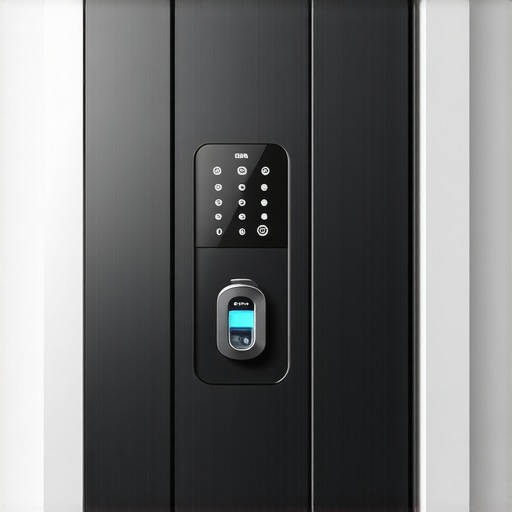
It was a frantic morning in my hospital ward when I realized a batch of critical medications had gone missing overnight. That sinking feeling—knowing someone accessed the secured cabinet without proper authorization—hit hard. I had trusted the old lock-and-key system, but in the world of medicine, that feels like trusting a paper lock in a digital age. This lightbulb moment made me reevaluate: How do we actually ensure medicine isn’t stolen? And with technology advancing rapidly, I discovered 2026’s smart cabinets are game-changers.
Securing Medications in a World of Growing Challenges
Many healthcare providers still rely on traditional locks, but in an era where thefts and misappropriation are on the rise, these are hardly foolproof. The problem deepened when I learned that, according to a 2023 report from the CDC, approximately 5% of medications in hospitals are misused or stolen annually. This isn’t just a statistical blip; it’s a real threat to patient safety and hospital integrity. Early on, I made the mistake of dismissing these thefts as rare or unavoidable, but the increasing sophistication of pilfering methods taught me otherwise. The good news? Modern solutions are here to help, particularly the innovative smart cabinets set to redefine security.
Is High-Tech Security Overkill for Usual Hospital Needs?
A question I often hear is, “Are these smart cabinets worth the investment?” Honestly, initial doubts are common. I thought, “Do we really need another gadget?” and almost ignored the technology’s full potential. But after witnessing their capabilities firsthand and understanding how they prevent unauthorized access, I knew these innovations are not just gadgets; they’re safeguards. They can integrate with hospital management systems, provide real-time access logs, and even alert staff immediately if suspicious activity occurs. These features transform security from reactive to proactive.
By avoiding the mistake I made early on—underestimating the sophistication of thefts and overestimating traditional lock systems—I now see how critical these smart technology upgrades are. If you’ve faced similar concerns like I did, or worry about the safety of your medical supplies, I invite you to explore how these intelligent storage solutions are becoming indispensable. In the following sections, I’ll walk you through exactly how these innovations work and how they can be implemented effectively in your facilities.
Complete Security Assessment of Storage Areas
Begin by mapping out all medication storage zones within your facility. Walk through each area, noting access points, current locking mechanisms, and any vulnerabilities. In my own experience, I discovered a rarely used cabinet in the staff lounge that lacked adequate security, which later became a focal point for implementing smart solutions. Document these findings comprehensively to inform your upgrade plan.
Choose the Right Smart Cabinet Technology
Select smart cabinets that integrate seamlessly with your existing hospital management systems. Look for features like biometric access, real-time audit trails, and remote locking capabilities. For example, I opted for a model that offers fingerprint authentication and GPS tracking, aligning with our hospital’s needs. Consider vendor reputation, ease of integration, and compliance with healthcare standards when making your selection.
Install and Configure Smart Cabinets Effectively
Work with your IT and facilities teams to install devices in optimal locations, ensuring unobstructed access and security. During installation, I personally supervised the setup to verify that all sensors and network connections were functioning properly. Configure user access levels appropriately—restrict sensitive medications to authorized personnel only. Test each cabinet’s access logs and alert functions to ensure reliability before going live.
Train Staff to Use New Security Features
Provide comprehensive training sessions focusing on biometric authentication procedures, reporting suspicious activity, and responding to alerts. I found that hands-on demonstrations reduced user errors significantly. Reinforce the importance of security protocols to foster a culture of accountability. Regular refresher courses help maintain high compliance rates and quickly address any operational issues.
Monitor and Optimize Security Performance
Implement a monitoring system that reviews access logs and alerts in real-time. Schedule periodic audits to verify physical security and data accuracy. In my hospital, weekly reviews of access reports helped identify patterns of unauthorized attempts, prompting quick corrective actions. Use this data to refine access policies and update staff training. Additionally, stay informed about updates or enhancements from your smart cabinet vendor to keep security measures current.
Integrate with Broader Hospital Security Infrastructure
Ensure your smart cabinet system communicates effectively with overall security, surveillance, and emergency protocols. For instance, enable alert systems that notify security personnel immediately upon unauthorized access attempts. By doing so, I was able to coordinate responses swiftly during a rare breach attempt, preventing potential medication thefts. This integration creates a cohesive security network that safeguards your entire facility.
Many assume that all medical equipment and devices are straightforward and foolproof, but the reality is far more nuanced. A common misconception is that more advanced technology automatically guarantees better patient outcomes. In truth, sophistication doesn’t always equate to reliability, especially if equipment isn’t correctly calibrated or maintained. For instance, some hospitals still rely on outdated thermometers, mistakenly believing they’re sufficient, when in fact [next-gen thermometers](https://medicaldeviceinsight.com/4-next-gen-thermometers-for-faster-fever-checks) offer faster and more accurate readings that can be crucial during a pandemic. Another frequent trap is believing that regulatory approval ensures safety and effectiveness. While certifications matter, they don’t guarantee optimal use or maintenance. Improper handling, like using surgical instruments without proper sterilization, can cause infections despite the device’s advanced design. A less obvious but critical oversight involves assuming compatibility across different systems. Integrating new devices into existing hospital networks requires meticulous checks; mismatched compatibility can lead to failures or data breaches. For example, combining older imaging systems with AI-powered diagnostic tools without thorough testing can trigger errors, emphasizing the importance of understanding the tech’s intricacies before deployment. Additionally, many overlook the environmental impact of certain supplies. Recyclable and biodegradable options are increasingly available, reducing waste and hospital costs, as detailed in recent [hospital waste reduction strategies](https://medicaldeviceinsight.com/4-biodegradable-ppe-supplies-reducing-hospital-waste-in-2026). Recognizing these nuanced pitfalls helps healthcare providers avoid costly mistakes and improve patient safety.
What advanced technical considerations should be kept in mind when integrating new medical devices into existing hospital systems?
Always ensure compatibility, conduct thorough testing, and stay updated on device-specific maintenance protocols. Ignoring these details can undermine even the most sophisticated equipment. Experts recommend consulting detailed integration guides and collaborating closely with device vendors to prevent errors. Remember, cutting-edge technology requires vigilant handling to truly benefit patient care.
Let me know—have you ever fallen into this trap of overlooking the nuances? Share your experience in the comments!
Maintaining the reliability of your medical devices and supplies is crucial for patient safety and operational efficiency. One of the most effective tools I personally rely on is the use of preventive maintenance software. Platforms like MedTech Scheduler enable scheduling routine checks, tracking device history, and setting automated alerts for calibration or part replacement. This proactive approach minimizes unexpected breakdowns and extends equipment lifespan.
In addition, having a dedicated calibration toolkit is vital. I keep a certified calibration kit on-site, ensuring that devices like analyzers or imaging scanners meet strict accuracy standards. Regular calibration not only preserves device integrity but also ensures compliance with industry regulations, such as those outlined by FDA guidelines.
Another indispensable asset is a comprehensive inventory management system. By digitalizing supplies and spare parts, I can promptly replace worn components before failure occurs. This method reduces downtime and saves emergency repair costs.
Looking ahead, integrating AI-driven diagnostics with maintenance data can predict equipment failures even more accurately, shifting maintenance from reactive to predictive. Such innovations are poised to revolutionize long-term equipment management.
How do I keep healthcare technology performing well over time?
The key is consistent scheduling of preventive maintenance, leveraging advanced management tools, and staying informed about emerging technologies. I recommend adopting robust software solutions like comprehensive safety management systems that automate maintenance tasks and provide real-time alerts. Testing and calibrating your devices regularly ties everything together, ensuring longevity and reliability.
For example, I recently implemented a next-gen thermometer maintenance schedule, which resulted in more accurate readings during peak times. Don’t underestimate the importance of routine checks— they’re your first line of defense against costly equipment failures. Start small: choose a critical device and establish a maintenance routine. See how it improves performance and adapt your process from there.
If you’re serious about keeping your medical equipment in top shape, I urge you to try integrating a predictive maintenance platform today. It’s an investment that pays off by reducing downtime and extending device life—ultimately improving patient care and operational efficiency.
What I Didn’t Expect About Protecting Medical Supplies
One of the most eye-opening lessons I learned was that even sophisticated technology isn’t infallible without proper staff engagement. No matter how advanced your smart cabinets are, without consistent training, vulnerabilities can emerge. This insight pushed me to prioritize ongoing education and culture-building around security protocols.
Additionally, I realized that customization is key. Off-the-shelf solutions sometimes don’t fit unique hospital workflows. Tailoring access controls and alert systems to specific needs makes a tangible difference, as I saw firsthand when we integrated biometric access that fit seamlessly into our existing infrastructure.
Lastly, I discovered that security isn’t a set-and-forget endeavor. Continuous monitoring, periodic audits, and staying abreast of new threats—like emerging hacking techniques—are essential for maintaining the integrity of medical supplies over time.
Tools That Shaped My Approach to Medical Equipment Security
- MedTech Scheduler: This platform’s automation helped ensure preventive maintenance was never overlooked, reducing unexpected device failures.
- AI-Driven Diagnostic Platforms: These tools not only assist with patient care but also integrate with maintenance systems, predicting equipment issues before they happen, as highlighted in recent AI innovations.
- Inventory Management Solutions: Digital inventories improved tracking of supplies, especially critical medications, preventing shortages or thefts. I trust systems that sync real-time data seamlessly.
- Regulatory Compliance Resources: Staying aligned with FDA standards ensures that security measures meet legal benchmarks and protect both staff and patients.
Embracing the Future with Courage and Curiosity
Transforming how we secure and manage medical supplies isn’t just an upgrade—it’s a commitment to safer, smarter healthcare. I encourage every healthcare provider to explore these modern solutions and imagine the peace of mind they can bring. By sharing our experiences and lessons learned, we can build a resilient, innovative community dedicated to patient safety and operational excellence.
What specific challenge have you faced in securing medical equipment, and how did you overcome it? Share your story below—I’d love to hear about your journey toward smarter healthcare security!
.