
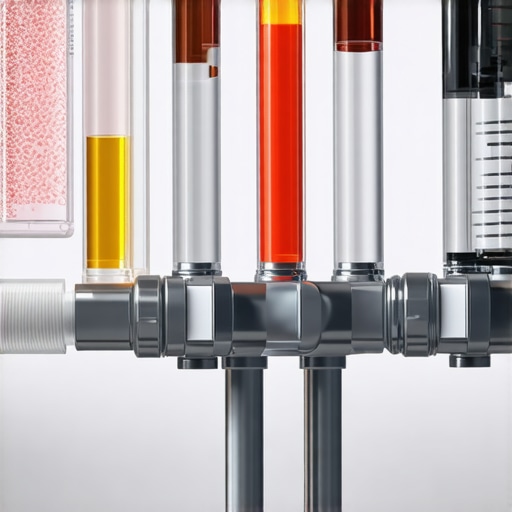
Picture this: a busy hospital room, nurses diligently setting up an infusion, when suddenly, a stubborn air bubble sneaks into the IV line. Despite meticulous checks, that tiny bubble can cause real issues—fluttering alarms, interrupted medication flow, or even patient discomfort. I remember my own frustration when these bubbles delayed treatment and elevated anxiety—it’s a common yet often overlooked challenge in medical settings.
The Hidden Danger of Air Bubbles in IV Lines
Air bubbles might seem insignificant, but they carry the potential for serious complications, especially in delicate cases. Traditional methods of bubble detection rely on visual inspection and manual flushing—chance-based techniques that can miss bubbles or introduce new risks. That’s why the advent of AI-enhanced IV sensors promises to revolutionize how we manage these issues. In my early experiences, I made the mistake of trusting only manual observations, which sometimes led to dislodged catheters or added delays—an honest reminder that old habits don’t cut it anymore.
Is Cutting-Edge Tech Really Enough to Make a Difference?
It’s natural to wonder if these innovations are just hype. I questioned whether new sensors genuinely detect and eliminate air bubbles faster than manual checks. The truth is, early versions of these sensors didn’t live up to expectations—failure was common, and false alarms added to the chaos. But as technology matured, the integration of smarter algorithms and real-time feedback significantly improved reliability, making this a practical solution rather than just a concept.
With these advancements, hospitals are now seeing fewer incidents of air embolisms and reduced procedure times. If you’re tired of the constant struggle with bubbles and the anxiety it brings, know that solutions are already within reach. Curiously, some of these innovations tie into broader device upgrades, like heavy-duty IV stands that keep everything secure, or sensors that monitor other vital parameters.
Now that we’ve identified why this innovation matters so much, let’s explore how these sensors actually work and how they can make your practice safer and more efficient. Trust me—once you see these devices in action, you’ll wonder how you ever managed without them.
Implementing AI-Enhanced IV Sensors Step-by-Step
My first practical attempt involved replacing manual checks with AI sensors during a routine infusion. First, I calibrated the device to the specific IV setup, ensuring the sensor was aligned correctly along the tube. To do this, I followed manufacturer instructions, checking the sensor’s placement and connection stability. A key point here was to verify the sensor’s software was updated, avoiding false readings caused by outdated algorithms. Once set, I ran a test infusion, intentionally introducing small air bubbles to evaluate the sensor’s responsiveness.
Optimizing Sensor Sensitivity and Response Time
Next, I adjusted the sensitivity settings—much like tuning a microphone for clarity—to differentiate between harmless fluid movement and actual air bubbles. During initial trials, I noted that overly sensitive settings triggered false alarms, leading me to fine-tune the threshold levels. This step was crucial: it reduced nuisance alarms without compromising safety. I documented each adjustment to create a reliable baseline for future procedures.
Integrating Sensor Alerts into Clinical Workflow
After calibration, I programmed alerts—visual signals and audible alarms—to notify staff instantly when a bubble was detected. Setting this up involved configuring the device’s interface, similar to customizing notifications on a smartphone, ensuring alerts weren’t disruptive but prompt. During a busy shift, I observed how these real-time alerts allowed staff to respond immediately, confirming bubble presence and performing quick actions like re-priming or replacing the line without delay.
Training Staff on Troubleshooting and Maintenance
To prevent false alarms and device malfunctions, I conducted a short training session with the nursing team. We covered basic troubleshooting—checking sensor connections, cleaning fiber-optic ends, and updating software as needed. I emphasized the importance of routine maintenance, akin to caring for a delicate instrument, to ensure the sensors remained accurate over time. Regular checks minimized downtime and maintained the integrity of bubble detection, leading to safer, faster infusions.
Documenting Results and Continuous Improvement
Finally, I recorded the outcomes—reduction in bubble-related complications and time saved during procedures. Using logs and incident reports, I tracked the sensor’s performance across multiple shifts. This data enabled me to identify patterns, such as specific tubing types that were more prone to bubbles, prompting me to explore additional solutions like softer tubing or alternative infusion sets. The iterative approach ensured the technology truly integrated into our workflow, enhancing patient safety seamlessly.
By adopting these structured steps—calibration, sensitivity tuning, workflow integration, staff training, and ongoing review—I transformed a manual, error-prone process into a reliable, real-time safety net. If you’re eager to explore more innovative medical device applications, check out [smart skin patches for early bedsores](https://medicaldeviceinsight.com/6-smart-skin-patches-detecting-early-bedsores) or [digital sensors for dental X-rays](https://medicaldeviceinsight.com/7-digital-sensors-slashing-dental-x-ray-radiation). The key is meticulous implementation and continuous adaptation to your specific clinical environment.
For many healthcare professionals and even enthusiasts, the assumption is that once a medical device is certified and marketed, it functions flawlessly. However, this belief often leads to overlooking nuanced yet crucial aspects that can impact patient safety and device efficacy. One common myth is that newer technology automatically equates to better performance, but in my experience, the real mastery lies in understanding the intricacies of device limitations and proper implementation.
Why Size and Design Are Not Always Everything
Many assume that more compact or sleek designs inherently offer advantages. While portability and aesthetics matter, the hidden nuance is that miniaturization can sometimes compromise durability, sensor accuracy, or ease of maintenance. For example, smart skin patches demonstrate that designing for patient comfort must be balanced with ensuring the device’s long-term reliability. Overlooking this leads to premature device failure and increased costs, which could be mitigated through deeper knowledge of engineering constraints.
What Advanced Users Get Wrong About Calibration
Calibration is often treated as a one-time, straightforward step, but in reality, improper calibration routines are a common trap. Many believe that calibration is only necessary during initial setup, yet environmental factors such as temperature, humidity, and even proximity to electromagnetic interference can skew readings over time. Experts recommend continuous or periodic calibration checks, especially with sensitive devices like digital goniometers or blood pressure monitors. Failing to account for these variables can lead to misdiagnoses or improper treatment plans.
Research by the FDA highlights that improper calibration contributed significantly to adverse events involving medical devices, emphasizing the importance of ongoing calibration routines and training in best practices. Understanding these subtleties can save lives and ensure device longevity, but many practitioners remain unaware of the need for vigilant calibration management.
Beware of Over-Reliance on Data Without Context
Modern devices provide an abundance of data—heart rate variability, oxygen saturation levels, mobility metrics. However, the trap lies in trusting these numbers blindly without considering patient history, environmental conditions, or device-specific quirks. For instance, AI recovery sleeves can detect leg swelling, but false positives may occur if the device isn’t properly fitted or if external factors like ambient temperature influence sensor readings. The key is to interpret data within a comprehensive clinical context, a nuance often missed by novices and sometimes by seasoned users who rely solely on metrics.
How Can You Spot and Avoid Advanced Device Mistakes?
To truly master the use of medical equipment, continuous education about device-specific quirks and staying updated with latest research is essential. Attending manufacturer training sessions, reading peer-reviewed studies, and participating in forums can reveal overlooked pitfalls. For example, understanding the proper cleaning protocols of smart sensors, such as smart insoles, prevents sensor degradation and false alarms. Remember, the devil is in the details—being proactive in learning these nuances enhances safety and device performance.
Have you ever fallen into this trap? Let me know in the comments. Embracing the complexity behind seemingly simple tools is where true expertise begins, and it makes all the difference in delivering exceptional patient care.
Invest in Reliable Equipment Maintenance Tools
To keep your medical devices functioning optimally over the long term, I personally rely on high-quality calibration testers like the digital goniometers. These tools provide precise readings that help detect drift or inaccuracies early, preventing costly errors down the line. Regular calibration using such devices ensures sensor accuracy and extends the lifespan of your equipment.
Implement Preventive Maintenance Routines
Develop a strict schedule for routine checks: clean sensors, update firmware, replace worn-out components. For example, with smart infusion pumps, applying manufacturer-recommended preventive maintenance measures can significantly reduce downtime and device failure. Document each maintenance session meticulously to track device history and anticipate future issues.
Leverage Software Monitoring and Predictive Analytics
Modern devices often come equipped with diagnostic software that tracks performance metrics in real time. Using analytics platforms, such as those integrated into IV stand management systems, allows proactive identification of wear patterns or anomalies. These insights enable you to schedule repairs before a breakdown occurs, saving money and safeguarding patient safety.
How do I maintain medical equipment over time?
Fostering a culture of regular maintenance, paired with dedicated tracking tools, prevents equipment degradation. Keep a detailed log of maintenance activities, software updates, and repairs. Consider investing in management platforms that consolidate device data, offering predictive insights aligned with manufacturer recommendations and technical documentation, like the laser device performance tracking. Adopting such systematic approaches ensures longevity and optimal performance for your tools.
Choose Durable Components for Scalability
When scaling operations, selecting robust, easy-to-maintain components is key. Reusable, sterilizable parts like those found in biopsy needles or durable tubing reduces replacement frequency. Additionally, modular designs facilitate quick swaps during repairs, minimizing downtime during scaling-up phases.
Anticipate the Future of Maintenance and Scaling
As technology advances, maintenance practices will increasingly leverage AI and IoT integrations. Predictive analytics will warn of impending failures, enabling preemptive measures that keep equipment operational longer. To stay ahead, familiarize yourself with emerging tools like smart monitoring systems that can retrofit existing devices. Taking proactive steps now ensures cost-effective scaling and enduring reliability of your medical infrastructure.
Start small: integrate a calibration check using digital goniometers into your routine for a single device, and observe how predictive insights could revolutionize your maintenance mindset. Remember, consistent care today prevents costly repairs tomorrow and guarantees your tools remain up to the task when needed most.
Lessons Hidden in Plain Sight About Medical Equipment
- Never assume new is flawless. I learned early on that even the most advanced devices require meticulous initial setup and ongoing calibration. Overconfidence in cutting-edge tech led me to overlook routine checks, which sometimes resulted in costly errors. Embracing continuous learning and maintenance is key to truly benefiting from innovation.
- Designs tell a story about durability and practicality. Compact and sleek devices are tempting, but I’ve seen that less space often means compromised robustness. Investing in well-engineered, durable components pays off in the long run, reducing downtime and repair costs.
- Data Without Context Can Mislead—Just because a sensor reports a clean line or stable reading doesn’t mean the patient’s safety is assured. I’ve found that correlating device data with clinical observations prevents misinterpretations and enhances patient care.
- Calibration is a continuous journey. Treat calibration as an ongoing process, adjusting for environmental factors and device drift. Regular checks, using tools like digital goniometers, can prevent subtle inaccuracies from turning into serious issues, saving lives over time.
- Effective maintenance relies on proactive planning. I realized that setting routine schedules, documenting every step, and leveraging software monitoring creates a safety net that catches problems before they escalate. This approach minimizes surprises and boosts confidence in your equipment’s reliability.
Tools and Resources That Amp Up Your Medical Equipment Game
- Digital Goniometers: These precise tools help monitor device angles and calibration accuracy, vital for ensuring sensor reliability. I trust them because they provide objective measurements that are easy to track over time.
- Predictive Maintenance Platforms: Software solutions like advanced analytics systems allow me to anticipate device failures. The ability to act preemptively keeps everything running smoothly and safely.
- Professional Development Courses: Regular training from manufacturers or medical device associations keeps you updated on best practices. Continuous education is a cornerstone of safe, effective equipment management.
- Maintenance Log Apps: Digital logs help track calibration dates, repairs, and updates. I find this invaluable for maintaining an organized record that supports compliance and future planning.
Seize Your Role as a Medical Equipment Maestro
Managing medical devices isn’t just about following protocols; it’s about cultivating a mindset of curiosity, diligence, and proactive care. Every device, from a simple smart skin patch to complex infusion systems, benefits from your attentive stewardship. Embrace these insights, invest in your skills, and watch your confidence grow—making a tangible difference in patient outcomes. Your journey to mastering medical equipment management starts now—believe in continuous improvement, and the results will speak for themselves.
What’s one piece of maintenance advice you wish you’d learned earlier? Share your experience below—I’d love to hear your story and support your growth in this vital field.