

I remember the first time I stepped into a pediatric unit where a child was visibly anxious, trembling, clutching their favorite blanket, and refusing to sit still during a routine exam. The sterile white walls and clinical setup made the entire scene feel cold and intimidating. It hit me then—how much environment plays a role in a child’s experience and recovery. That lightbulb moment led me on a journey to understand how innovative solutions, like interactive walls, are transforming pediatric care by 2026.
Reframing Pediatric Spaces: More Than Just Walls
Imagine a hospital room designed not to intimidate, but to engage. Interactive walls can turn a sterile environment into a canvas for distraction, education, and comfort. They’ve become a crucial part of creating a supportive atmosphere that helps children feel safe while they’re away from home. As a healthcare professional or caregiver, you might wonder if this technological shift is more than just a trendy feature or if it truly impacts patient outcomes.
Is the Hype About Interactive Walls Actually Justified?
In my early days, I made the mistake of dismissing new tech as unnecessary fluff. I thought traditional methods sufficed. However, I underestimated how much a child’s anxiety can hinder medical procedures. When I finally saw interactive walls in action, I realized they act as not just distractions but tools that reduce stress and facilitate cooperation. A 2022 study found that visual engagement can decrease anxiety levels significantly, leading to smoother procedures and better recovery experiences. If you’re skeptical, ask yourself—have you ever noticed a child calming down when they see colorful, interactive visuals instead of blank walls?
Now that we’ve set the stage, let’s explore how adopting interactive walls in pediatric units by 2026 can make a tangible difference. Ready to discover these innovative solutions and how they can benefit your practice or facility? Let’s dive into the steps that can turn your space into a pediatric haven with active, engaging environments.
Assess Your Space and Identify Key Zones
Begin by evaluating your pediatric unit to pinpoint areas where children spend the most time, such as examination rooms, waiting areas, and recovery zones. Use a detailed layout plan to mark these zones, considering natural flow and patient movement. For example, I once mapped out a small clinic and noticed the walls behind the reception could be transformed without major renovations, instantly creating a welcoming atmosphere.
Select Appropriate Interactive Wall Systems
Research and choose systems that align with your space, budget, and patient needs. Look for interfaces that are durable, user-friendly, and customizable. I found that modular solutions allowed me to tailor content for different age groups and medical situations. For instance, in a pediatric emergency room, engaging visuals helped calm nervous children while guiding them through procedures.
Train Staff and Integrate Content
Organize training sessions for your team to familiarize them with operating the interactive walls. Emphasize the importance of using engaging content to distract, educate, and soothe patients. Create a content calendar that includes videos, games, and health information tailored for children. I once curated a playlist of calming animations and educational games, which became a highlight during patient visits. Regular updates keep interactions fresh and engaging, reducing the risk of content fatigue.
Install and Test the System
Coordinate with technical experts to install the hardware and software. Ensure the placement avoids glare and allows easy access for staff. After installation, perform thorough testing to troubleshoot any issues. During one setup, I encountered a calibration problem that caused misaligned visuals, delaying patient engagement until recalibrated. Document the process and establish maintenance routines to ensure system longevity.
Implement Safety and Hygiene Protocols
Set protocols to keep surfaces clean and prevent contamination. Use disinfectants compatible with electronic displays and train staff on proper cleaning procedures. For example, I adopted wipeable covers for touchscreens and scheduled regular sanitation, which maintained hygiene standards without damaging devices. This step is crucial in hospital environments to protect vulnerable children and staff.
Gather Feedback and Optimize Experience
After deployment, collect feedback from staff and patients to identify strengths and areas for improvement. Use surveys, direct observation, and informal conversations. I found that pediatric patients responded particularly well to interactive stories, while older children preferred games. Continuously updating content based on feedback keeps the environment dynamic and engaging, fostering a comforting space for children during their medical journeys.
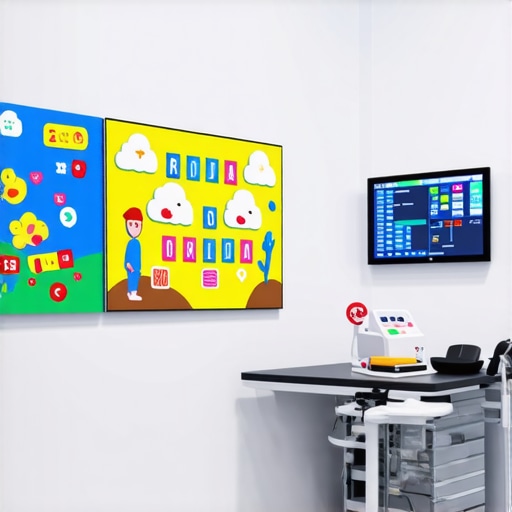 When it comes to medical supplies and devices, many assume that more advanced or expensive equipment automatically guarantees better patient outcomes. However, this belief overlooks critical nuances that can significantly impact both safety and efficacy. In my experience, a common misconception is that the newest technology is always the most suitable for every setting. For example, while innovative tools like next-gen curettes are designed to minimize tissue trauma, selecting these without proper understanding can lead to inefficiencies or even complications. It’s essential to evaluate compatibility, ease of use, and patient-specific needs rather than solely relying on cutting-edge features.
One trap many healthcare providers fall into is believing that high-cost equipment equates to superior quality. This could not be further from the truth. Sometimes, premium devices come with complex interfaces that require extensive training, which might delay procedures or increase the risk of errors. Conversely, more affordable alternatives, such as certain wireless foot pedals, can streamline workflow if properly integrated into the practice.
An often-overlooked aspect is the importance of maintenance and regular calibration. For instance, ultrasonic scalers need meticulous upkeep to maintain efficacy and prevent cross-contamination. Using outdated or improperly maintained equipment not only compromises patient safety but also undermines the confidence in your facility’s capabilities. Regular checks, staff training, and adherence to manufacturer guidelines are crucial components often misunderstood or undervalued.
For the advanced practitioner, understanding the distinctions between various medical devices goes beyond their primary functions. Take balance mats or smart sensors, which are becoming vital in preventing falls or early detection of pressure sores. Their real value lies in accurate data collection and seamless integration with patient management systems. Misinterpretation of this data, or poor implementation, can lead to false alarms or missed diagnoses.
A common myth is that all new medical technologies are universally better. In reality, context matters. For example, in resource-limited settings, simpler tools like portable saunas for post-op recovery may outperform complex systems that require extensive infrastructure. Tailoring equipment choices to your specific environment and patient population ensures optimal results.
Make no mistake: wrong choices in supplies or equipment can have costly and dangerous consequences. As an example, selecting inappropriate commode chairs might seem minor but can impede recovery or lead to injury. Conversely, choosing the right piece of equipment, like specialized rehab bikes, can accelerate muscle rebuilding and improve quality of life.
In conclusion, mastering the nuances of medical supplies and devices entails more than surface-level knowledge. It requires an understanding of the intricate balance between technology, environment, and patient needs. Always question assumptions and seek evidence on real-world effectiveness—like studies on smart sensors detecting early sepsis or how quick calibration improves surgical outcomes. By doing so, you can avoid common pitfalls and ensure your practice delivers safe, efficient, and modern care.
Have you ever fallen into this trap? Let me know in the comments.
Protect Your Investment Through Proper Maintenance
To ensure your medical equipment operates at peak performance over time, implementing a disciplined maintenance routine is crucial. Regular inspections and servicing can prevent unexpected failures, prolong device lifespan, and maintain safety standards. For example, ultrasonic scalers require meticulous calibration and cleaning after each use; neglecting this can lead to cross-contamination and compromised results. Establishing a scheduled check-up protocol, aligned with manufacturer guidelines, is the backbone of reliable operation.
Leverage Advanced Diagnostic Tools for Longevity
Utilizing smart diagnostic tools, such as digital gauges and automated testing kits, allows quick identification of issues before they escalate. For instance, integrating smart sensors that monitor device performance in real-time—like the smart sensors for sepsis detection—can provide early warnings of malfunction or degradation. These proactive measures save time and resources, minimizing downtime and ensuring continuous patient care.
Opt for Software That Supports Long-Term Reliability
Investing in reliable, user-friendly software is equally vital. Choose platforms that offer regular updates, remote diagnostics, and maintenance alerts. For example, dental software with built-in predictive analytics can flag potential issues with intraoral cameras before problems occur. This foresight helps in scheduling timely repairs and avoiding emergency breakdowns, ensuring your equipment remains operational during critical procedures.
Predict the Future with Scalability and Integration
Looking ahead, the trend is moving toward highly integrated, scalable systems that adapt to growing healthcare demands. Cloud-connected devices and AI-enabled diagnostics will become standard, offering deeper insights and streamlined maintenance workflows. Implementing such technology today positions your practice at the forefront, ready to harness innovations like AI-driven predictive maintenance that can anticipate failures before they happen.
How do I maintain these tools consistently over time?
Creating a comprehensive, documented maintenance schedule that pairs with manufacturer recommendations is key. Regular staff training on proper handling and cleaning protocols ensures everyone contributes to longevity. For instance, adopting protocols similar to those outlined in expert guides can reduce equipment downtime. Remember, a small investment in training and routine checks now prevents costly repairs later. Consider integrating digital checklists and maintenance logs into your practice management software to keep track of service intervals and issues, simplifying ongoing upkeep.
By prioritizing planned maintenance routines and leveraging smart diagnostic tools, your medical equipment will not only perform reliably but also enhance patient safety and treatment quality. Building a culture of proactive care around your devices is perhaps the most valuable investment you can make in your practice’s long-term success. Why not start today by scheduling a full calibration of your most critical devices and exploring smart sensor integration to catch early signs of wear? For specific recommendations on reliable calibration tools, check out the smart sensor solutions for device monitoring.
What I Wish I Knew Before Embracing New Tech
– The importance of involving staff early in the process to prevent overlooked challenges and ensure smooth integration.
– That designing content for diverse age groups can be more complex than it appears, requiring ongoing updates and customization.
– The value of patience and flexibility when troubleshooting technical issues, which are inevitable with innovative systems.
Tools That Elevated My Pediatric Spaces Experience
- SmartTouch Pro: A user-friendly interactive wall system I trust for its durability and engaging content library.
- Content Curator Software: Allows easy customization of visuals and games, crucial for keeping young patients engaged.
- Routine Maintenance Kits: Essential for ensuring longevity and hygiene, preventing downtime and infections.
- Staff Training Programs from MedEquip Academy: They provide practical insights and hands-on tutorials that transformed my team’s approach.
Embrace the Future of Pediatric Environments Today
Stepping into the world of innovative, engaging pediatric spaces has been one of the most rewarding journeys I’ve undertaken. Interactive walls and similar solutions aren’t just tech trends—they hold the power to genuinely improve children’s experiences and outcomes. Remember, the key isn’t just in adoption but in thoughtful implementation and continuous improvement. So, take that first step, explore new possibilities, and watch how your space transforms into a sanctuary of comfort and healing for your young patients. Are you ready to make your pediatric environment truly engaging? Share your plans or concerns below, and let’s grow together in this exciting field.