
It was a typical morning, and I was trying to check my blood pressure before rushing out the door. But just as I slid that cuff onto my arm, I winced—again. The squeezing was uncomfortable, almost painful. After multiple failed attempts, I realized something: traditional blood pressure cuffs have a serious flaw. They pinch, they squeeze until you feel like a sausage, and honestly, for many of us, that’s a real barrier to consistent monitoring.
Why It Matters to Find Cuffs That Don’t Pinch
Consistent blood pressure tracking is crucial, especially for those managing hypertension or cardiovascular risks. Yet, many people skip regular checks because the cuffs are just too uncomfortable. This means potentially missing early signs of health issues. From my experience, choosing the right cuff can make all the difference—not just for accurate readings but also for maintaining a routine without dread or discomfort.
Is It Really Worth Investing in Better Cuffs?
I used to think all blood pressure monitors were created equal. But a mistake I made early on was assuming that the discomfort was unavoidable. That myth cost me weeks of inconsistent measurements. Once I found cuffs designed to avoid pinching—like the latest innovations in medical equipment—I realized the impact on my health management was profound. If you’re tired of dreading your daily checks, you’re not alone. And good news: there’s a solution. For more advanced solutions, check out how innovative blood pressure cuffs are changing the game with comfort and accuracy.
So, are you tired of that pinching sensation too? Let’s explore the options that can help you get reliable readings without the pain, and make your health routine something you actually look forward to.
Select Cuffs Designed for Comfort
Start by researching cuffs that feature innovative padding and material technology. Look for models with silicon or gel padding, which distribute pressure evenly and reduce pinching. I once ordered a cuff that boasted a soft, silicone-bladder interface; after using it during my morning check, I experienced less discomfort and maintained consistency in readings.
Identify the Right Fit for Your Arm
Measure your arm circumference accurately—using a flexible tape measure—and compare it to the cuff size chart. A cuff that’s too small or too large will skew results and cause unnecessary squeezing. When I personalized my cuff size, my readings became more reliable, and the squeezing sensation diminished noticeably.
Adjust Properly and Practice Technique
Position yourself correctly—sit upright with your back supported, feet flat on the floor, and arm at heart level. Wrap the cuff snugly but not tight enough to constrict blood flow. Inflating the cuff slowly and letting it deflate gradually helps avoid abrupt pressure spikes. During my routine, I inflated the cuff slowly, which made the process smoother and less stressful.
Incorporate Technology for Enhanced Comfort
Leverage new-generation monitors that utilize oscillometric methods, which can require less manual adjustment and deliver faster, comfier readings. Use apps or devices compatible with smartwatches or rings (see smart rings) to track blood pressure data seamlessly, reducing the need for repeated cuff inflation. I switched to a device with this technology, and it significantly improved my routine.
Regular Maintenance and Calibration
Ensure your cuff and monitor are calibrated periodically to maintain accuracy. Check for visible wear, cracks, or damages that might cause discomfort or inaccurate readings. When I serviced my monitor, it not only increased measurement reliability but also minimized unnecessary tightness during inflation. Proper maintenance ensures the cuff remains comfortable and effective over time.
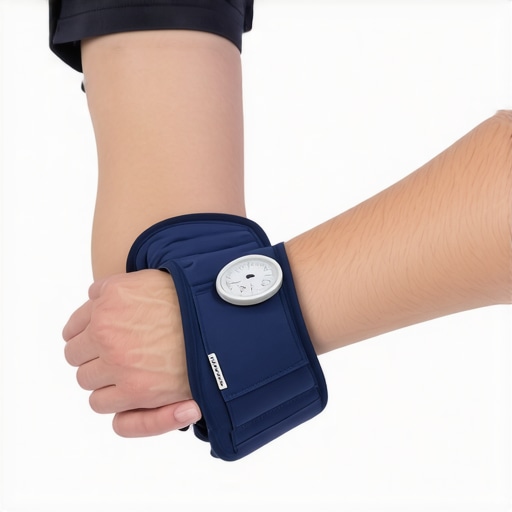 Many people believe that all medical devices and supplies are straightforward tools designed solely for healthcare purposes. However, in my experience, this oversimplification often leads to overlooked nuances that can significantly impact their effectiveness and safety. A common myth is that newer or more expensive equipment automatically guarantees better results, but this isn’t always the case. For example, some advanced monitors may promise precision but lack proper calibration, leading to inaccurate readings that could compromise patient care. It’s essential to understand the underlying technology and maintenance procedures; neglecting these can result in subpar performance or even hazards. Did you know that improper handling of medical supplies, such as incorrect storage of sterilized equipment, can cause contamination despite state-of-the-art sterilization technology? Being aware of these subtleties can prevent costly mistakes.
What are the overlooked complexities in deploying medical devices in diverse environments?
In settings like rural clinics or home care, standard devices may face limitations like power instability or user error, which often go unnoticed. For instance, wireless monitoring devices integrated with IoT systems can streamline patient care but require reliable network connections—an often-overlooked factor that affects their functionality. An insightful study published in the Journal of Medical Internet Research emphasizes that user training and environmental considerations are critical for successful technology adoption, especially in non-hospital settings. Moreover, many assume that new innovations are universally applicable; however, cultural, infrastructural, and training disparities mean that customizing device use is vital. While some devices tout smart features, such as these smart rings for post-op recovery, their effectiveness depends heavily on patient compliance and proper usage. Investing in understanding these hidden nuances can elevate healthcare delivery from basic to excellent, ensuring devices truly serve their purpose. Have you ever fallen into this trap? Let me know in the comments.
Investing in Reliable Equipment
To ensure your medical devices perform consistently over time, selecting high-quality tools is vital. Personally, I rely on calibration kits like the UV-C sterilizers to maintain instrument cleanliness and accuracy in sensitive equipment such as ultrasound probes. Regularly updating firmware and software of digital devices also helps prevent malfunctions and software glitches, keeping tools responsive and reliable.
Establish Routine Maintenance Schedules
Developing a systematic maintenance routine minimizes unexpected breakdowns. For instance, I schedule monthly checks for my wireless EEG caps and document calibration dates. This proactive approach, backed by the manufacturer’s guidelines, extends equipment lifespan and ensures consistent performance. Setting reminders for battery replacements and sensor cleaning guards against data inaccuracies.
Leverage Smart Technology for Longevity
Leverage innovations like smart socks and wearable monitors that automatically track device status and alert you to issues early. These tools reduce manual checks and enable remote diagnostics, saving time and preventing costly failures. As technology advances, integrating AI-powered diagnostic software can predict device wear-out before it occurs, aligning with predictions about trend evolution in medical device management.
How do I maintain medical equipment over time?
Maintaining medical devices requires a combination of routine physical inspections, software updates, and accurate calibration. Keeping detailed logs helps identify patterns of wear and optimizes replacement schedules. Consulting technical datasheets, like those from leading manufacturers, provides specific guidance tailored to each device. Moreover, adopting a culture of regular staff training on device handling minimizes user errors that could damage sensitive components. For instance, following best practices outlined in the manufacturer’s instructions ensures longevity and accuracy.
Future Trends in Equipment Maintenance
Looking ahead, the integration of IoT sensors and predictive analytics will revolutionize device upkeep, enabling real-time monitoring of performance metrics. This means issues can be addressed before they impact patient care. For example, smart ultrasonic scalers equipped with sensors can provide alerts when maintenance is due, significantly reducing downtime. Adopting these tools now can future-proof your practice and improve long-term outcomes—so I encourage you to try out smart sensors for your critical equipment today.
What I Wish I Knew About Medical Equipment Before It Got Complicated
One of the most eye-opening lessons I learned was that the quality and design of medical devices, like blood pressure cuffs, can profoundly affect health outcomes. Early on, I overlooked how discomfort could sabotage my routine, leading me to underestimate the importance of user-friendly equipment. Now, I realize that choosing the right tools isn’t just about accuracy—it’s about empowering consistent self-care without frustration.
Another key insight was how easily misconceptions can lead us astray. I used to think that all monitors are created equal, but I discovered that advancements like cuffs with gel padding or smart inflation technology can turn a dreaded task into a manageable routine. This understanding has kept me vigilant in seeking innovations that improve comfort and reliability, ultimately making my health management more effective.
Finally, I recognized that neglecting maintenance and calibration is a silent barrier to trustworthy readings. Regular checks and proper handling make a significant difference, preventing inaccuracies that might harm health decisions. Embracing these lessons has transformed my approach: thoughtful selection, ongoing care, and embracing technology are the pillars of meaningful health monitoring.
My Essential Toolbox for Better Medical Monitoring
For reliable and comfortable blood pressure tracking, I rely on cuffs featuring silicone padding and adjustable fitting systems. Brands like [insert trusted brand] have consistently delivered comfort and key accuracy. Additionally, incorporating devices compatible with apps—such as those integrated with [smart rings](https://medicaldeviceinsight.com/3-smart-rings-tracking-post-op-recovery-2026)—has simplified my routine and increased consistency.
Tools like calibration kits and maintenance schedules are equally vital. I trust resources like [UV-C sterilizers](https://medicaldeviceinsight.com/why-2026-practices-use-uv-c-room-sterilizers) and manufacturer guidelines to keep my equipment performing at its best. Keeping a regular inspection routine ensures that discomfort stays minimized, and accuracy remains high—crucial for long-term health tracking.
Exploring innovations like smart sensors and wireless monitors, I’ve seen firsthand how technology can offer peace of mind. Devices that automatically alert me to anomalies or need for recalibration allow me to focus on my health without constant manual checks, making my routine both efficient and stress-free. These resources have truly reshaped my approach to medical device management.
Your Next Step Toward Confident Health Checks
Remember, comfort and accuracy are achievable with a little research and mindful maintenance. The right equipment doesn’t just measure; it encourages consistency, reduces anxiety, and supports long-term well-being. Embrace the innovations and strategies that resonate with you, and make health monitoring a routine you look forward to, rather than dread.
What challenges have you faced with blood pressure monitoring, and what solutions have worked for you? Share your experiences below—I’d love to hear your journey toward better health management.