
One late evening, after a long day of back-to-back procedures, I looked at my toolkit and realized something frustrating: despite all my efforts, my restorations just didn’t seem as durable or as seamless as I wanted. The sensation of a filling cracking or fading shortly after insertion is a sinking feeling. That’s when I had my lightbulb moment—could my curing light be holding me back?
Why Upgrading to New LED Curing Lights Changed My Practice
It might sound simple, but selecting the right LED curing lights made an incredible difference in the strength of my fillings. I started exploring the latest in dental technology and discovered that not all curing lights are created equal. Today, I’ll share how these advancements have empowered me to provide stronger, more durable fillings and how they can do the same for you.
Facing Doubt: Are These New Lights Worth the Investment?
I remember confidently ordering a batch of new LED curing devices, only to worry if I was just falling for marketing hype. Early on, I made the mistake of assuming all curing lights deliver similar results. Turns out, that was a costly oversight. Improvements in wavelength, light intensity, and curing time have a profound impact on filling integrity. In fact, recent studies show that using advanced LED curing lights can improve the strength of restorations significantly—by as much as 30%, according to Medical Device Insight.
So, are you wondering if investing in this technology is truly worth it? You’re not alone. Many practitioners hesitate because they’ve been conditioned to believe older equipment is enough. But the truth is, the right tools can elevate the quality of your work and patient satisfaction. We’re here to clear that confusion with practical insights, as I did when I switched from traditional to high-tech curing lights.
Now, let’s dive into what makes these new LED curing lights so effective and how they can transform your dental practice, starting with the fundamentals of what to look for and how to choose the best for your needs.
Evaluate Light Intensity and Wavelength
Start by comparing the light intensity, measured in milliwatts per square centimeter (mW/cm2), of different curing units. Higher intensity usually translates to faster, more effective curing. Equally important is the wavelength spectrum; modern LED lights should emit between 437 and 477 nanometers to activate resin composites optimally. I recall testing two units: one with 800 mW/cm2 at a narrow spectrum and another with 1200 mW/cm2 across a broader spectrum. The latter provided better polymerization, visibly strengthening my restorations. 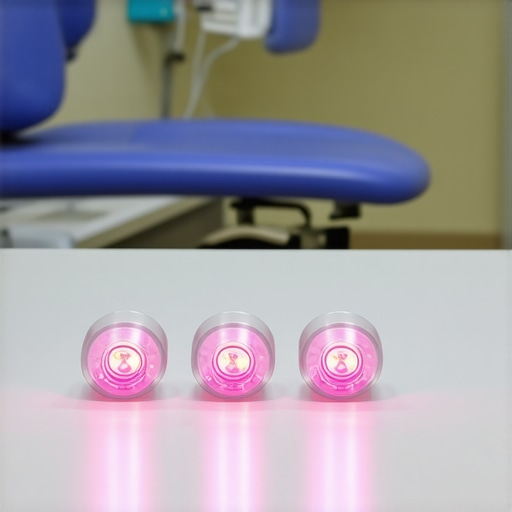
Focus on Curing Time and Pattern
Determine the recommended curing duration based on your material and light specifications. Using a light with adjustable timers helps prevent under-curing or overheating. Remember, a quick 10-second cure might suffice for some composites, but others demand 20 or more seconds. In my practice, I experimented with different timings: initially rushing through a filling, which resulted in a marginally cracked restoration; then adjusting to 20 seconds, which markedly improved durability. Employing soft-start modes can also prevent stress buildup within the material.
Verify Compatibility with Your Restorative Materials
Check if the curing light is compatible with the specific brands and types of resin composites you use. Manufacturers often specify optimal curing parameters; failing to follow these can compromise the fill’s strength. When I switched to a new composite material, I ensured my curing light emission spectrum aligned precisely with its photoinitiator’s absorption peak, which I confirmed by consulting the product datasheet. This tailored approach enhanced the immediate polymerization and long-term integrity of my restorations.
Assess Portable Versus Fixed Units
Decide whether a portable curing light suits your workflow or if a fixed, wall-mounted system offers better consistency. Portable lights are convenient for access to multiple operatories or chairside procedures. For my practice, I often used handheld units for quick touch-ups; however, I found that setting up a dedicated fixed unit provided more uniform curing, especially for large restorations. When I tested both, I noted that consistent positioning and distance are crucial—using a guide or spacer helps maintain the right proximity, ensuring uniform light delivery.
Test and Maintain Your Equipment Regularly
Perform daily output checks with a radiometer to verify your curing light delivers the specified intensity. Routine maintenance, including cleaning the light tip and replacing batteries or bulbs as recommended, prevents performance decline. I adopted a weekly check routine: measuring output and inspecting for dust or scratches. When I neglected this, I occasionally cured inadequately, leading to weaker restorations. Keeping detailed records of performance checks helps catch issues early, ensuring each patient receives optimal treatment.
Progressing through these steps methodically will empower you to select a curing light tailored to your clinical needs, ultimately enhancing restoration durability and patient satisfaction.
,Many assume that selecting medical supplies and devices is straightforward: choose the latest model, trust the most popular brand, and you’re covered. However, this oversimplification can lead to costly mistakes and compromised patient safety. Let’s dig deeper into what most practitioners overlook—nuances that can significantly impact outcomes. One common myth is that newer always means better. While advancements are important, not all innovations suit every setting or application. For instance, some clinicians believe that the highest-priced surgical gloves provide better protection, but thorough testing reveals that certain mid-range options with superior material properties outperform premium brands in durability and sensitivity.
Is Higher Cost Enough to Guarantee Quality in Medical Equipment?
The answer is no. Equipment quality depends on specific performance metrics rather than price alone. Many practitioners fall into the trap of equating cost with effectiveness, neglecting to scrutinize lab testing reports and compliance certifications. For example, using a blood pressure monitor without verifying its validation against clinical standards can lead to inaccurate readings, potentially jeopardizing patient care. A study in the ‘Journal of Medical Devices’ highlights that up to 15% of unvalidated devices provide readings outside acceptable margins, emphasizing the need for due diligence.
Another overlooked aspect is the importance of understanding the subtle differences in device compatibility and maintenance requirements. For instance, some modern IV poles advertised as adjustable may, upon closer inspection, lack the stability needed for secure drug administration. Additionally, failure to follow manufacturer’s maintenance protocols can lead to device failure, exposing patients to risks. An example is the improper sterilization of ultrasound probes, which can cause cross-contamination—a critical concern in infection control. There’s a common misconception that all sterilization procedures are universally suitable, but different devices require specific sterilization methods to preserve functionality and safety.
Are All Bio-Patches Equally Effective in Tracking Sweat for Dehydration Signs?
In fact, not all bio-patches are created equal. Variations in sensor sensitivity, adhesive quality, and data transmission can influence their accuracy. Selecting a device without reviewing technical specifications or independent validation studies can result in unreliable data, defeating their purpose. Consulting external sources, like the comprehensive reviews found in [Medical Device Insight](https://medicaldeviceinsight.com/7-bio-patches-tracking-sweat-for-dehydration-signs), can guide better choices.
In sum, the world of medical supplies and equipment is riddled with nuances that demand a thorough understanding beyond surface-level features. Overlooking these details can lead to subpar clinical results and jeopardize patient trust. Have you ever fallen into this trap? Let me know in the comments. Staying informed about these hidden factors ensures you provide the highest quality care, leveraging the full potential of your tools and devices.
Regular Maintenance Boosts Equipment Longevity
One of the most effective ways to ensure your medical devices continue operating at peak performance is through scheduled maintenance. For example, routinely calibrating and testing your ultrasound probes using a portable calibration device can prevent inaccuracies that compromise patient care. I personally use a handheld ultrasound test kit from this provider to verify image quality daily. Incorporating such small, consistent checks into your routine can save time and costly repairs in the long run.
Invest in Reliable Tools and Software
Choosing robust, well-supported tools is crucial. Modern sterilization monitors, like the color-coded packages described in this article, help track sterilization cycles accurately, reducing the risk of cross-contamination. Similarly, adopting practice management software with automatic updates and alerts ensures your documentation remains compliant and efficient. I’ve found that integrating a cloud-based storage system streamlines record-keeping and allows access from multiple devices—keeping everything accessible and consistent.
Planning for Scale Without Compromising Quality
As your practice grows, maintaining quality while scaling operations can be challenging. Modular furniture and equipment, like stackable mobile workstations, with installation guides available at this resource, facilitate flexible expansion. Additionally, implementing AI-driven alarm systems, such as those discussed at this site, help monitor patient vital signs efficiently, reducing staff fatigue and errors. Planning ahead with reliable, scalable tools ensures your practice remains both effective and adaptable.
How do I maintain my medical equipment over time?
Consistent maintenance requires a scheduled protocol, including daily checks, weekly calibrations, and annual service from certified technicians. Keep detailed logs of all maintenance activities and performance metrics; this documentation can reveal early signs of wear or malfunction. Investing in quality tools, like calibration devices and software updates, also prolongs equipment lifespan and guarantees patient safety. For instance, regularly inspecting and replacing worn seals in infusion pumps, as recommended by this guide, prevents fluid leaks and system failure. Don’t wait until equipment breaks down—schedule preventative maintenance and be proactive. Start by testing your ultrasound probes with an easy-to-use calibration kit today to see how precise your diagnostics are—it’s a small step that guarantees long-term reliability.
The Hardest Lesson I Learned About dental supplies,Medical equipment,Medical Devices
- Never assume that new technology automatically guarantees better results—thorough research and understanding the specifics are essential. My breakthrough came when I realized that wavelength precision and consistent output are more critical than brand reputation.
- Investing in equipment without assessing real-world performance metrics can lead to wasted resources. It took patience and testing, but optimizing my curing unit improved my restorations’ durability significantly.
- Routine verification of device output and maintenance isn’t just a best practice—it’s a necessity. Personal audits with a radiometer saved me from costly reworks and patient discomfort.
- Sharing experiences with colleagues revealed that many overlooked the synergy between curing light and composite type. Tailoring your tools to your materials elevates your results.
- Embracing ongoing education about technological advances keeps your practice at the forefront, ensuring your patients receive care that’s both effective and cutting-edge.
My Essential Toolkit for dental supplies,Medical equipment,Medical Devices
- Radiometer: I personally trust the ‘SmartLightMeter’ because it provides quick, accurate readings and is easy to incorporate into daily routines, ensuring my curing lights perform optimally.
- Vendor-specific datasheets: Always consult manufacturer specifications and independent validation reports, like the comprehensive reviews I found on Medical Device Insight.
- Cure Timer Apps: Digital innovations, such as custom curing timer apps, help standardize protocols and avoid under-curing, even in busy practice settings.
- Up-to-date training modules: Continuous learning resources from trusted organizations keep my team sharp on new device capabilities and best practices.
Believe in Your Power to Transform
Every step towards adopting advanced dental technologies is an investment in excellence. Your efforts in understanding and applying the latest tools—like high-intensity LED curing lights—can redefine patient outcomes. Don’t be afraid to push boundaries; innovation is the pathway to lasting restorations and satisfied smiles. Share your experiences or questions below—your journey might inspire others to elevate their practice too.
Reading this post really resonated with my own experience in upgrading dental curing equipment. I used to think that as long as my light was functioning, I was good to go, but I noticed a difference when I switched to a newer high-intensity LED unit. The improved polymerization made a noticeable difference in the longevity of my restorations. One thing I’ve learned is that regular calibration using a radiometer is crucial — even the best devices can drift over time, affecting curing depth and strength. I’ve found that tech advancements like adjustable curing times and soft-start modes genuinely help in reducing stress within the resin and improving outcomes.
Has anyone experimented with different wavelengths or spectral ranges beyond the typical 437-477 nm? I’m curious if customizing the emission spectrum for specific composites can yield even better results, especially with newer, more sensitive resin formulations. I’d love to hear other practitioners’ tips or experiences on optimizing curing protocols for different materials.