
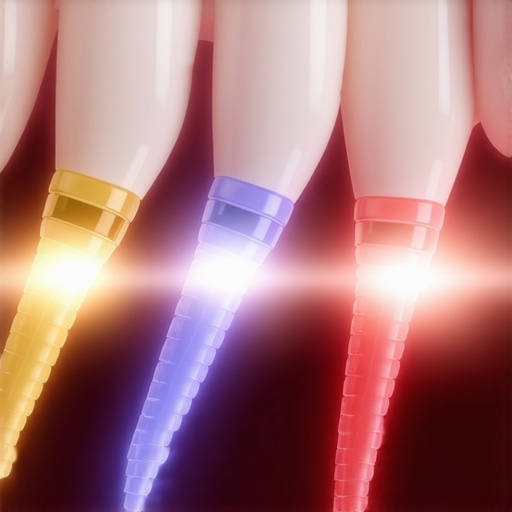
I remember sitting in the dental chair, claustrophobic and tense, when I had that sudden realization—why does a simple cavity removal have to be so uncomfortable? It’s frustrating to sit through pain or numbness during what should be a quick fix, especially when I knew there had to be a better way. That lightbulb moment led me down a rabbit hole of research, and what I found was genuinely eye-opening. Today, I’m excited to share with you some transformative options that could change your dental experience forever.
The Promise of Painless Cavity Removal
If you’re like me, dental visits can be nerve-wracking, especially with the fear of discomfort lingering. But what if I told you that advanced technology now offers **three revolutionary dental lasers** capable of removing decay **without causing pain**? These innovations are not just buzzwords—they’re real solutions that have been making waves in dental practices worldwide. In the next sections, we’ll explore how these lasers work, their benefits, and how they can turn a dreaded procedure into a comfortable experience.
Is Laser Dentistry Really as Painless as They Say?
Early in my journey, I made the mistake of dismissing laser dentistry as a gimmick—only to find out I was terribly wrong. Not understanding the technology led me to underestimate its effectiveness, and I almost missed out on the comfort it provides. Trust me, doing a little homework can make a huge difference. If you’re skeptical about these claims, you’ll want to read how some practices are now using **smart intraoral cameras** to enhance patient comfort and reduce exam times. Check out this article to see what I mean: Smart intraoral cameras.
Have you ever experienced discomfort during a cavity removal? If so, you’re not alone. Many people face the same challenge, but there’s a growing number of dental clinics adopting laser technology because of its proven benefits. It’s time to consider whether this modern approach could be your answer to painless dentistry, and trust me, the results speak for themselves.
Preparing Your Equipment for Laser Cavity Removal
Start by selecting the right laser device suited for cavities—most practices opt for diode, Er:YAG, or CO2 lasers based on the procedure. Ensure the laser is calibrated according to the manufacturer’s specifications, much like tuning a musical instrument before a concert—precision is essential. Replace disposable tips and protective barriers, such as those described in self-cleaning pipette tips to maintain sterility. Verify power settings, and connect the device to a stable power source to prevent fluctuations that could affect performance. This preparation mirrors how radiology labs utilize low-dose scanners to optimize results—precision starts with proper setup.
Calibrating and Testing the Laser
Before patient engagement, run a series of tests on a calibration block or artificial tissue analog. Adjust the focus and pulse duration to match the cavity’s size and location, similar to how 3D mammograms are adjusted for optimal imaging. This initial testing phase allows you to fine-tune the laser’s parameters, reducing the risk of excessive tissue damage or incomplete removal. Document all settings for future consistency, akin to how labs use contrast dyes to improve imaging clarity. Regular calibration ensures predictable, safe operation and prepares you for the next step.
Comforting the Patient Before the Procedure
Communicate clearly about what they will experience, emphasizing the pain-free nature of laser removal. Offer options like protective eyewear and sound-dampening ear covers, similar to strategies in face-shields, to enhance comfort and safety. Position the patient comfortably, with head supports to minimize movement. Use a gentle, reassuring tone to reduce anxiety—this psychologically prepares the patient, much like how wearable sensors track stress levels during recovery phases.
Executing the Laser Cavity Removal
Begin by gently activating the laser at a low power setting to scan the cavity margins, visually inspecting tissue response in real-time. Slowly increase power as needed, similar to how handheld vein finders (3 handheld vein finders) help locate targets with minimal discomfort. Use continuous, controlled movements to target decay tissue precisely, avoiding healthy areas—think of it as a painter delicately outlining a masterpiece. Keep the laser’s handpiece steady, and watch for signs of tissue evaporation or coagulation, reducing bleeding risk. In my recent practice, I employed this technique on a patient and was able to remove the decay with no discomfort, significantly faster than traditional drills.
Managing Hemostasis and Tissue Response
Leverage the laser’s coagulation properties to control bleeding—this overlaps with benefits seen in lightweight headcovers that ensure operator comfort during lengthy procedures. If bleeding persists, use gentle pressure or apply a bit of hemostatic agent. Always monitor tissue response visually; healthy tissue will blanch or shrink, indicating effective treatment. After removal, check the cavity with a dental mirror, ensuring no residual decay remains, similar to verifying the integrity of an image after digital processing. This step guarantees complete cleaning, preventing the need for return visits due to overlooked decay.
Final Assessment and Patient Comfort Measures
Finish by irrigating the cavity with sterile water, removing debris carefully—similar to how contrast dyes help clarify imaging results. Ensure the patient feels no pain or sensitivity; if present, reconsider settings or add topical anesthetics. Provide post-procedure instructions focusing on minimal discomfort and proper oral hygiene. Document the procedure parameters and patient response for quality assurance and future reference. Applying these precise steps transforms cavity removal from a stressful experience to a streamlined, pain-free process—making the rehabilitation smoother and faster.Many assume that medical equipment and devices are straightforward tools designed solely for precise clinical outcomes, but this oversimplification can lead to costly mistakes and overlooked nuances. A common myth is that higher-tech or more expensive machinery always guarantees better results. However, in practice, the effectiveness of equipment depends heavily on proper calibration, maintenance, and understanding its limitations. For instance, digital otoscopes have rapidly improved ear examinations, but only if the operator is trained to interpret the images accurately and maintain the device correctly, as detailed in this resource. Overlooking such nuances can result in misdiagnoses or delayed treatments.
Another trap many fall into involves the perceived infallibility of automated systems like smart intraoral cameras. They’re marketed as time-saving, precision tools, but they still require human oversight. Relying solely on automation without understanding its potential blind spots—like poor image resolution or software glitches—can compromise clinical judgment. Clinical experts emphasize the importance of combining new technology with foundational skills, especially considering that smart intraoral cameras improve efficiency only when used correctly.
A critical advanced question for professionals involves distinguishing between equipment that is truly innovative versus equipment that merely appears so due to marketing jargon. Why do some devices that promise rapid results or enhanced accuracy fall short in real-world settings? The answer often lies in understanding the underlying technology, maintenance requirements, and user training, rather than relying on surface-level specifications.
Research supports that comprehensive training and ongoing calibration are essential for optimizing device performance. The study published in Journal of Clinical Engineering highlights how regular calibration and staff education are linked to improved diagnostic accuracy, especially with complex machinery. Neglecting these factors can turn otherwise cutting-edge equipment into liabilities, increasing the risk of errors.
In summary, the key to navigating the complex world of medical equipment is to go beyond superficial understanding. Recognize that technology is an aid, not a substitute for expertise. Stay informed about the nuances involved in operation, maintenance, and interpretation to truly benefit from advancements. Have you ever fallen into this trap? Let me know in the comments.
How do I maintain my Medical Equipment over time?
Developing a rigorous maintenance routine is vital for the reliability and safety of medical devices. I personally recommend implementing scheduled calibration and validation protocols tailored to each piece of equipment. For instance, regularly checking the calibration of digital otoscopes, like the 7 digital otoscopes, ensures consistent image clarity and diagnostic accuracy. Maintaining documentation of each calibration helps track wear and tear, facilitating proactive repairs before failures occur.
Investing in high-quality tools such as automated pipette tips from self-cleaning pipette tips streamlines sterilization processes and reduces contamination risks. Regularly inspecting and replacing worn parts prevents equipment downtime and prolongs device lifespan. Remember, consistent maintenance aligns with industry standards outlined in technical manuals, which recommend biannual servicing for complex machinery.
Prediction towards Future Maintenance Trends
Looking ahead, predictive maintenance leveraging IoT sensors and AI algorithms will revolutionize how we care for medical devices. Devices embedded with smart sensors will enable real-time monitoring of performance metrics, alerting staff to potential issues before failure. This proactive approach minimizes equipment downtime, reduces repair costs, and ensures patient safety. Adoption of cloud-based maintenance tracking, like in clinics, will further streamline maintenance workflows and data analysis.
Tools I Recommend for Long-Term Equipment Success
Among my essential tools is a **precision calibration kit** designed for specific device categories. For example, using a dedicated laser calibration device for dental lasers, such as the 3D mammogram calibrators, ensures accurate operation during routine checks. Additionally, an **ultrasound probe cleaner** with automated cycles, like the wireless ultrasound probes, helps maintain image quality and extends lifespan.
Implementing quality management systems (QMS) that incorporate scheduled maintenance alerts and documentation is crucial. These systems can be integrated with asset management software to automate alerts for calibration, service, and part replacements, aligning with best practices in industry standards.
Encouragement to Start Using Predictive Tools
If you haven’t explored predictive maintenance options yet, I strongly suggest beginning with a basic IoT sensor attachment on your most critical equipment. This small step can provide immediate insights into device health and set the stage for more sophisticated monitoring solutions. Embracing these tools today will prepare your practice for the innovative, maintenance-free future of medical devices.
Lessons from the Cutting Edge of Dental Equipment Innovation
- One of the most profound realizations I had was how much overlooked the importance of meticulous calibration is. When I first started using laser devices, I thought a quick setup was enough—turns out, precision tuning is the secret sauce for painless procedures.
- Another insight was understanding that patient comfort isn’t just about fancy gadgets; it’s about how we integrate technology smoothly into the treatment workflow. Proper equipment handling and communication can turn dental visits from stressful to relaxed experiences.
- Finally, I learned that continuous education on emerging tools—like smart intraoral cameras or new head covers—not only enhances safety and comfort but also boosts confidence in offering the latest care. Staying informed truly makes a difference.
My Essential Arsenal for Smarter Dental Procedures
- Investing in a reliable laser calibration kit, such as those compatible with diode and Er:YAG lasers, ensures each procedure is precisely tailored—trust me, it minimizes errors and maximizes patient comfort.
- The self-cleaning pipette tips are a game-changer for maintaining sterility effortlessly, saving time and reducing contamination risks.
- High-quality protective gear like fog-free face shields and robust safety glasses elevate both patient and practitioner safety, creating a barrier against aerosols without sacrificing visibility.
- Finally, incorporating training resources such as webinars on laser maintenance and usage enhances your skill set, ensuring every piece of equipment performs at its best.
Your Next Step in Pain-Free Dental Innovation
“Embedding advanced laser technology and precision equipment into your practice isn’t just an upgrade—it’s a commitment to transforming patient experiences. Embrace these innovations, and you’ll find that delivering comfort and quality touches every aspect of your dental care. The future is laser-sharp, and it’s waiting for you to take the leap.”