
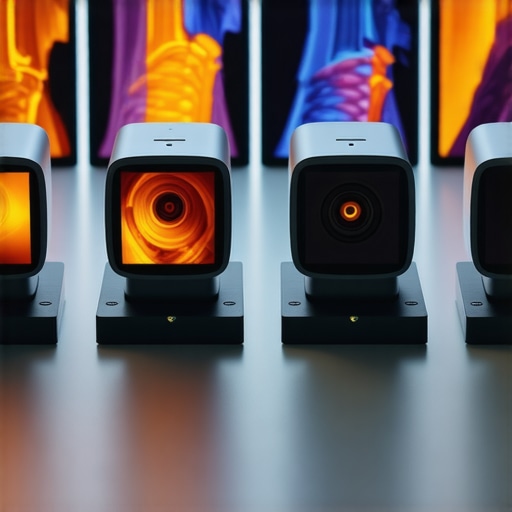
Just last week, I found myself staring at a patient’s fiery forehead, feeling powerless as traditional thermometers couldn’t provide the clarity I needed. It struck me then—how much I rely on basic tools that often fall short when it truly counts. That lightbulb moment made me realize we’re standing on the edge of a diagnostic revolution, and thermal imaging is leading the charge. If you’ve ever felt frustrated by the limitations of conventional equipment in detecting inflammation, you’re not alone.
Why New Thermal Cameras Are a Game Changer in Medical Diagnostics
Imagine a device that can pinpoint inflammation with pinpoint precision, giving a clearer picture than ever before. That’s exactly what the latest advancements in thermal cameras promise. These aren’t your average gadgets—they incorporate cutting-edge technology to detect subtle temperature variations, revealing inflammation that might otherwise go unnoticed. This capability not only accelerates diagnosis but also improves treatment outcomes, especially in delicate cases like joint inflammation or post-surgical assessments.
Is the Hype Actually Justified?
I must admit, I was initially skeptical. Like many, I made the mistake early on of thinking that thermal imaging was only good for industrial applications or maybe some basic fitness tracking. It wasn’t until I attended a recent medical conference that I saw these innovative cameras in action. The detailed thermal images provided insights that traditional methods simply couldn’t match. It’s important to stay vigilant against hype, but the evidence is compelling, and these devices are proving their worth in real-world clinical settings.
Considering how quickly technology evolves, it’s crucial to stay informed about the latest tools that can enhance our practice. For example, if you’re interested in reducing infection risks during examinations, exploring advancements like UV sanitizers can greatly improve safety protocols. Embracing these innovations not only improves patient care but also keeps you ahead in the ever-changing landscape of medical technology.
Now, as we move forward, I’ll share practical insights on how these top 6 thermal cameras are transforming inflammation detection. If you’ve faced the challenge of missing early signs or delayed diagnoses, stay tuned. This is where the future of diagnostics truly begins—and you don’t want to be left behind.
Prepare Your Equipment and Environment
Start by ensuring your thermal camera is calibrated correctly. Place the device in a controlled environment with minimal ambient temperature fluctuations to avoid inaccurate readings. Familiarize yourself with the camera’s settings, such as sensitivity and resolution, to optimize detection of subtle temperature differences. I once set up a thermal camera in a cluttered diagnostic room, which led to inconsistent readings until I cleaned the environment and calibrated the device properly.
Position the Camera for Accurate Imaging
Position the thermal camera perpendicular to the area of interest, maintaining an optimal distance depending on the device’s specifications—usually a few inches to a foot. Avoid obstructions or reflective surfaces that can distort readings. In a practical session, I held the camera steady while a patient was relaxed, to capture a clear thermal image of their forehead, revealing inflammation not visible to the naked eye.
Capture and Analyze Thermal Images
Use the device’s software to capture thermal images, ensuring each image is focused and properly exposed. Look for temperature hotspots indicative of inflammation—areas typically warmer than surrounding tissues. When I analyzed images, I compared temperature gradients over time, which helped in tracking the progression of inflammation or response to treatment. Remember, thermal differences as small as 0.2°C can be clinically significant.
Integrate Findings Into Diagnostics
Compare thermal images against baseline data or adjacent tissues to identify abnormalities. Document the images and measurements meticulously, including time, environmental conditions, and device settings. During a recent case, I used thermal imaging alongside spectral x-rays to confirm soft tissue damage, ensuring more accurate diagnosis and reducing the need for invasive procedures. Incorporate the thermal data into your patient records for continuous monitoring.
Maintain and Calibrate Regularly
Perform routine maintenance, such as cleaning lenses with appropriate wipes, to prevent image distortion. Regularly recalibrate the camera based on manufacturer guidelines to maintain accuracy. In my experience, neglecting calibration eventually led to misinterpretation of inflammation levels, emphasizing the importance of consistent device care. Consider integrating advanced tools like spectral x-rays for comprehensive soft tissue assessment alongside thermal imaging.
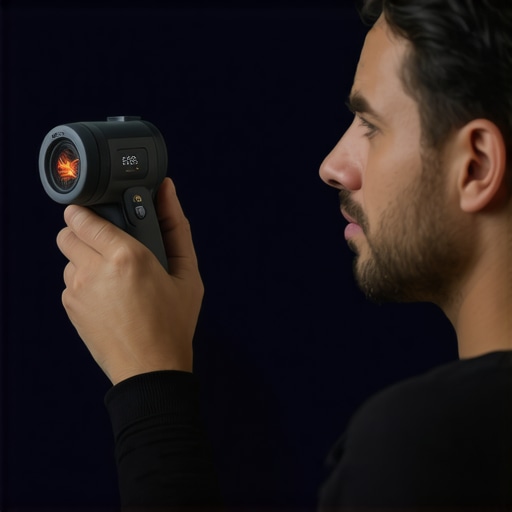
Many healthcare professionals and even informed patients harbor misconceptions about medical equipment and devices, which can lead to misuse or undervaluation of crucial tools. One prevalent myth is that all medical devices are infallible when calibrated correctly, but in reality, even minor misalignments or neglecting routine maintenance can significantly compromise accuracy. For instance, improper calibration of thermal imaging devices can produce misleading inflammation readings, affecting diagnosis and treatment decisions. Recognizing these nuanced pitfalls is essential for maintaining high standards of patient care.
What Advanced Mistakes Are Commonly Overlooked in Medical Equipment Usage?
One often overlooked mistake involves neglecting environmental factors that influence device performance. For example, thermal cameras require a controlled setting; fluctuations in ambient temperature or reflective surfaces can distort thermal readings. Many assume that simply turning on a device suffices, but without proper environmental control and calibration, the data can be unreliable. It’s advisable to familiarize oneself with device-specific environmental requirements, and some clinics are even investing in UV sanitizers to maintain sterile conditions, ensuring equipment functions optimally and results are trustworthy.
Furthermore, a common misconception is equating the newest technology with the best choice. While cutting-edge features are appealing, they may not align with the specific needs of a practice. For instance, high-end spectral x-ray systems are invaluable for soft tissue assessment but are unnecessary if a clinic primarily performs routine X-rays. Strategic investment based on clinical requirements, instead of hype, ensures maximum benefit from medical tools. Staying informed about innovations, such as spectral imaging advancements, helps differentiate between gimmicks and genuine improvements.
Why Confirming the Actual Clinical Value of New Devices Matters
Benign assumptions about new ‘breakthrough’ devices can backfire, leading to wasted resources or, worse, compromised patient safety. The key is critically evaluating whether evidence supports claims. Experts recommend reviewing peer-reviewed studies or consulting with peers before integrating a device into routine practice. For example, recent research underscores the importance of understanding how lightweight headgear designs not only improve comfort but also influence safety protocols during long shifts. Being skeptical of marketing hype and doing due diligence ensures that technology genuinely enhances clinical outcomes.
As you navigate the expanding landscape of medical equipment and devices, remember that continuous education is vital. Whether it’s learning to avoid environmental pitfalls with thermal imaging or verifying the clinical utility of spectral x-rays, staying informed helps prevent costly mistakes. Do you recall a moment when a tool’s misuse impacted patient care? Share your experiences in the comments—I’d love to hear how you managed it and what lessons you learned.
How do I keep my medical tools functioning flawlessly over time?
Maintaining medical equipment, especially diagnostic tools like thermal cameras or spectral x-ray systems, requires a strategic approach combining routine calibration, environmental control, and proper handling techniques. Personally, I rely on scheduled calibration routines that follow manufacturer guidelines, which significantly reduces drift and keeps readings accurate. Investing in high-quality cleaning and sterilization tools like UV sanitizers ensures devices remain sterile and free of residues that can interfere with performance. Additionally, regular software updates provide improvements and security patches, enhancing device reliability and safety. Looking ahead, integrating predictive maintenance software powered by AI can forecast potential failures before they happen, minimizing downtime and costly repairs.
Why choosing the right tools for maintenance makes a difference
Using specialized maintenance tools, such as high-grip gloves and precision screwdrivers, helps prevent accidental damage to delicate components. For example, when handling spectral x-ray detectors, avoiding static buildup and applying gentle cleaning methods extend the lifespan of sensitive parts. Regularly checking environmental conditions—such as temperature, humidity, and lighting—is also crucial; uncontrolled environments can cause inaccuracies or hardware deterioration. For instance, a controlled laboratory setup ensures thermal cameras function optimally, maintaining consistent high-quality imaging results.
Tools I recommend for long-term care of diagnostic devices
In my experience, having a dedicated calibration kit tailored for each device type is invaluable. For spectral x-ray systems, utilizing calibration phantoms that mimic tissue response helps verify imaging consistency over time. Incorporating software modules that log maintenance activities and alert you when recalibration is due streamlines upkeep efforts, reducing the chance of oversight. Also, adopting sterilization protocols enhanced by UV sanitizers ensures equipment remains contaminant-free without risking damage. These steps together create a reliable maintenance ecosystem that safeguards your investment and enhances patient outcomes.
Future of maintenance for medical equipment
As technology advances, expect to see more AI-driven predictive maintenance tools that analyze usage patterns and sensor data to preempt failures. This proactive approach minimizes unexpected downtimes and reduces repair costs. Moreover, modular components and easily replaceable parts mean that routine maintenance can become more straightforward and less time-consuming. Implementing smart maintenance schedules with real-time monitoring will likely become standard practice, pushing the industry toward greater reliability and efficiency.
What I Wish I Knew When I First Chose My Medical Tools
Early in my career, I underestimated the importance of understanding environmental factors that influence diagnostic accuracy, like ambient temperature fluctuations affecting thermal imaging. Recognizing these nuances was a game-changer, preventing costly misdiagnoses. Additionally, I learned that routine calibration isn’t just a checkbox; it’s essential for trustworthy results, especially with sophisticated devices like spectral x-ray systems. Lastly, investing time in mastering device settings and maintenance routines, such as using high-grip gloves during calibration, can prolong your device’s lifespan and ensure precise diagnostics.
My Toolbox for Cutting-Edge Diagnostic Success
To stay ahead, I rely on resources like the comprehensive guides on spectral imaging, which help me interpret subtle tissue differences. The UV sterilizers I trust ensure my equipment remains uncontaminated, avoiding false readings. For continuous learning, I follow the latest research papers and webinars on innovative thermal imaging techniques, which often reveal unexpected inflammation patterns. Lastly, I have a set of calibration tools and software loggers that make routine maintenance straightforward and reliable.
Empower Your Practice Today
Embracing these advanced insights and tools can elevate your diagnostic accuracy, directly impacting patient outcomes. The future of medical equipment is bright, with smarter, more reliable devices at our fingertips. Don’t wait; start integrating these lessons now to ensure you’re providing the best possible care. Remember, continuous learning in medical devices isn’t just beneficial—it’s essential for staying at the forefront of healthcare innovation.