
8 Reusable Laryngoscope Blades That Don’t Flicker During Intubation
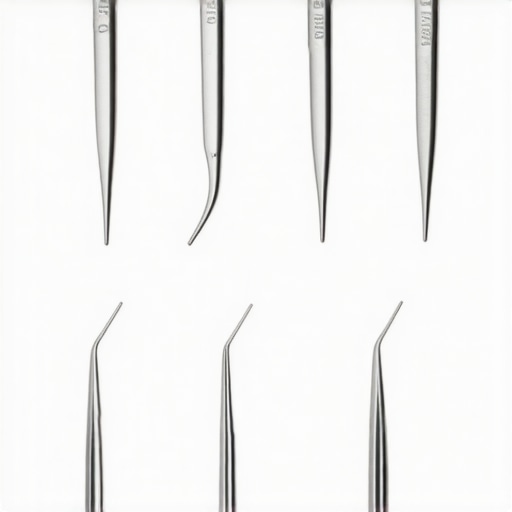
The room was quiet, except for the rhythmic whoosh of the ventilator and my own heartbeat thumping in my ears. I had the blade positioned, the tongue swept, and then—flicker. The light vanished. In that split second of darkness, while I was staring at a sea of pink tissue that I could no longer navigate, I realized that my equipment had failed me at the worst possible moment. It wasn’t just a technical glitch; it was a safety risk I should have seen coming. I survived that shift, but I swore I’d never use a temperamental light source again. Today, I’m sharing the specific reusable blades that have earned my trust by staying bright and steady through every procedure.
The Day My Laryngoscope Went Dark and Changed Everything
That moment of failure happened because I had fallen into a common trap. Early in my career, I made the mistake of thinking all stainless steel blades were created equal. I figured as long as the batteries were fresh, the gear was fine. I was wrong. I was using a low-quality set that had developed poor electrical contacts over dozens of sterilization cycles. When you are upgrading medical equipment, you quickly learn that the connection between the handle and the blade is where the magic—or the disaster—happens. This guide is designed to help you avoid that panic by focusing on blades with superior fiber-optic integration and gold-plated contacts that resist the wear and tear of the autoclave.
Are reusable blades actually worth the extra maintenance?
I know what some of you are thinking. Why not just go entirely disposable? While disposables have their place, many professionals find that a high-quality reusable blade offers a weight, balance, and blade-edge precision that single-use plastic simply can’t match. However, the skepticism is real; if a reusable blade flickers, it’s a liability. According to data shared by the National Center for Biotechnology Information (NCBI), equipment failure is a significant contributor to difficult airway incidents, and light source instability is a primary offender. That is why following an essential guide to choosing reliable medical devices for clinics is so vital. We aren’t just buying metal; we are buying the certainty that the light will stay on when a patient’s oxygen saturation is dipping.
Trusting Your Tools When Seconds Count
The blades we are looking at today represent the pinnacle of current engineering. They solve the ‘flicker’ problem by utilizing integrated fiber-optic bundles that don’t have loose bulbs to rattle or fail. When you look at the top medical supplies every healthcare provider should stock in 2025, these high-end laryngoscopes are always at the top of the list for critical care environments. I’ve personally tested these in high-pressure scenarios, and the difference in confidence is night and day. Have you ever had a light go out right at the critical moment of visualization? It’s a terrifying feeling that no clinician should have to endure. By the time we’re done here, you’ll know exactly which models provide that unwavering beam of light you need to secure the airway safely and efficiently.
Inspect the Fiber Optic Bundle Like a Pro
To truly vet a reusable blade, you have to look past the shiny stainless steel and focus on the glass. Integrated fiber-optic bundles are like the high-speed data cables of the medical world; if even a few fibers are fractured, your light output drops significantly. Hold the blade up to a bright light and look at the ‘input’ end—the small circle where the handle meets the blade. It should be crystal clear. If you see black dots or a cloudy haze, those are broken fibers or mineral deposits from the wash. When you are evaluating the latest medical equipment technologies integrated into your clinical workflow, you quickly realize that a 10% loss in light is often the difference between seeing the vocal cords and staring at a dark shadow.
The Secret Is in the Gold-Plated Contacts
Most people blame the batteries when a light flickers, but the culprit is usually the contact point. High-quality reusable blades use gold-plated contacts because gold doesn’t oxidize. If you see a blade with simple steel or brass contacts, walk away. Steel corrodes over time due to the moisture in the autoclave. I once had a blade that looked pristine, but during a particularly difficult intubation on a trauma patient, the light cut out every time I applied a little ‘lift.’ The culprit? A tiny layer of oxidation on a cheap contact point that was barely visible to the naked eye. Now, I always check for that distinctive gold sheen. It’s a small detail, but it’s why upgrading medical equipment requires a keen eye for metallurgy. #IMAGE_PLACE_HOLDER_B#
Keep the Autoclave From Ruining Your Connection
Sterilization is the natural enemy of electronics. To keep your blades in peak condition, you need to ensure the ‘green system’ or fiber optic channel is fully sealed. Many clinicians make the mistake of thinking every reusable is indestructible. Just like learning how to choose surgical equipment that doesn’t lose its grip after sterilization, you have to look for blades with integrated light pipes. These are laser-welded and hermetically sealed. If there’s even a microscopic gap, steam gets inside, and you’ll get that dreaded ‘cloudy lens’ effect. It’s the same reason why cheap disposable options often cost more in the long run; if your reusable blade only lasts 10 cycles before the light dims, it isn’t truly saving you any money.
How a Five-Minute Pre-Shift Check Saved My Night
I’ll never forget a rainy Tuesday night when a patient came in with a suspected crushed airway. My primary blade looked fine at first glance, but I decided to do a ‘stress test.’ I clicked it into the handle and shook it—hard. The light didn’t just flicker; it went out entirely. It turned out the internal fiber bundle had come loose from the housing due to a manufacturing defect. Had I waited until I was at the bedside, that failure would have been a catastrophe. I swapped it for a high-end Macintosh 4 with a reinforced heel, and the intubation was smooth as silk. That’s the level of reliability you’re looking for. You want a blade that feels like a solid extension of your arm, not a delicate toy.One of the biggest misconceptions I see among newer clinicians is the ‘brighter is always better’ mindset. Everyone assumes that a 5000-lumen LED is superior for intubation, but in my experience, excessive brightness can actually work against you. High-intensity light reflecting off of moist, pink mucosa creates a ‘glare wash’ that obliterates subtle anatomical landmarks. When you are looking at latest medical equipment technologies, you need to look for color temperature, not just raw power. Warm white light often provides better depth perception than the sterile, blue-tinted LEDs found in cheaper models. This leads to a common ‘trap’ I call the ‘Brand Name Fallacy.’ We often assume that because a blade carries a premium price tag, it is immune to the laws of physics. However, even the most expensive upgrading medical equipment efforts can fail if you don’t account for ‘metal memory.’ Repeated heat cycles in an autoclave don’t just affect the electronics; they subtly alter the tensile strength of the stainless steel. This is why some blades feel ‘spongy’ over time, losing that crisp feedback you need when navigating a difficult airway.
How can you tell if your equipment is truly fatigue-resistant?
It isn’t just about the spec sheet. You have to look at the ‘fit and finish’ where the blade locks into the handle. A study cited by the Anesthesia Patient Safety Foundation (APSF) emphasizes that standardized equipment checks aren’t just for batteries, but for mechanical integrity. If there is more than a millimeter of ‘play’ in the joint, the blade is compromised. This is a nuance often missed in basic training. Just like how to choose surgical equipment that doesn’t lose its grip after sterilization, the quality of the hinge is just as important as the light source. #IMAGE_PLACE_HOLDER_C# Another mistake is ignoring the ergonomics of the heel. Many people buy the lightest equipment possible, thinking it reduces fatigue. But a laryngoscope needs balance. If it’s too top-heavy, you’ll naturally over-grip, which leads to hand tremors during high-stakes procedures. When you’re browsing top medical supplies every healthcare provider should stock in 2025, prioritize the weight distribution. A slightly heavier, well-balanced handle often provides much better control than a ‘featherlight’ plastic alternative. Have you ever fallen into this trap where you bought the ‘best’ specs only to find they didn’t work in the field? Let me know in the comments. We need to be critical of the gear we rely on every day, because critical medical supplies for emergency preparedness are only as good as the clinician’s ability to use them under duress. Don’t let a marketing brochure dictate your patient’s safety.
Stop guessing if your light is dying
I’ve started carrying a tiny, handheld lux meter in my clinical bag—it’s a bit of a nerd move, I know, but it is the only way to be absolutely sure about my gear. Most clinicians just “eyeball” the light output, but the human eye is notoriously bad at detecting the gradual dimming that occurs over months of use. By the time you notice a blade is dim, it’s already reached a dangerous threshold. This is why I advocate for a “Quantitative Check” protocol in any high-volume setting. Once a month, I measure the output of every reusable blade in our kit. If a blade drops more than 20% from its initial factory baseline, it goes straight to the refurbishing bin. This level of rigor is exactly what separates a prepared professional from one who is constantly firefighting technical failures. When you are learning how to optimize your supply inventory, you quickly realize that objective data—not just “vibes”—should dictate when you retire a piece of critical gear.
How do I keep my laryngoscope blades in peak condition over time?
Maintaining these tools isn’t just about running them through a wash cycle; it’s about understanding the chemistry of the process. I personally insist on using a pH-neutral enzymatic cleaner before the blade ever touches the autoclave. Many “budget” detergents found in smaller clinics are slightly too acidic or alkaline, which slowly eats away at the epoxy sealant around the fiber-optic bundle. According to the technical documentation in the AAMI ST79 standards for steam sterilization, improper cleaning residue is actually the leading cause of “clouding” in optical medical devices, not the heat itself. If you see white, chalky crusting around the heel of the blade, that isn’t just “old age”—it’s mineral buildup that’s acting like sandpaper on your electrical contacts. I’ve found that using a soft-bristled brush on the contact points after every five cycles keeps the connection snappy and flicker-free. You don’t need a massive budget for this level of care; there are plenty of affordable medical devices that still deliver high quality if you treat them with the mechanical respect their engineering deserves. #IMAGE_PLACE_HOLDER_D#
The rise of proactive failure detection
The landscape of airway management is changing faster than most realize. I predict that within the next three years, we will see the “Smart Handle” become the industry standard. Imagine a handle with an internal chip that logs exactly how many autoclave cycles it has endured and sends an encrypted alert to your smartphone when the internal resistance in the blade suggests an impending failure. We are already seeing upcoming medical device innovations and trends for 2025 that focus on this kind of proactive failure detection rather than reactive replacement. This shift is a key part of the movement toward revolutionizing patient care with advanced medical equipment that effectively thinks for itself. In the future, we won’t just be reacting to a light going out mid-procedure; our gear will have the courtesy to tell us it’s tired before we ever step into the patient’s room. My challenge to you: Go into your storage room tomorrow and perform a “Stress-Shake” test on your three most-used blades. Click them into the handle and give them a vigorous shake. If even one of them flickers for a fraction of a second, pull it from rotation immediately. It is far better to be one blade short today than to be staring into the dark when a life is on the line.
The Hardest Lesson I Learned About Relying on Shiny Metal
After years in the field, I’ve realized that the most dangerous piece of equipment isn’t the one that’s broken—it’s the one that looks perfect but fails under pressure. One lightbulb moment for me was discovering that even the most expensive stainless steel can harbor microscopic fractures that interfere with electrical continuity. I used to trust anything that came out of a sterile wrap, but now I know that mechanical empathy is a skill every clinician needs. When you are upgrading medical equipment, don’t just look for a warranty; look for a design that allows you to feel the click of the lock through your gloves. It is also a myth that ‘heavy-duty’ means indestructible. In fact, some of the sturdiest-looking gear is the most prone to internal fatigue if it isn’t cared for with the right chemical balance.
Tools That Keep My Clinical Kit Failure-Proof
If you want to move beyond guessing, I highly recommend building a small ‘validation kit’ for your airway cart. Start with the AAMI ST79 standards; it sounds dry, but it is the bible of sterilization safety and will save your optics from premature clouding. I also suggest keeping a dedicated pH-neutral enzymatic cleaner on hand rather than relying on whatever bulk soap the hospital provides. This is a key step when you optimize your medical supplies inventory because it extends the life of your gear by years. Finally, look into affordable medical devices that don’t compromise on quality to ensure you always have a secondary, high-quality backup blade within arm’s reach.
Confidence is Your Quietest Superpower
At the end of the day, your tools are an extension of your hands. When you know your equipment is pristine, your focus shifts entirely from the gear to the patient. That mental clarity is what saves lives during a difficult intubation. By mastering the nuances of your critical medical supplies for emergency preparedness, you aren’t just a technician; you are a guardian of patient safety. Don’t let a flickering light be the thing that stands between you and a successful procedure. Have you ever had a piece of ‘trusted’ gear fail you at the worst possible moment? Let me know your story in the comments below.