
Why Cheap Infusion Pumps Keep Triggering False Alarms
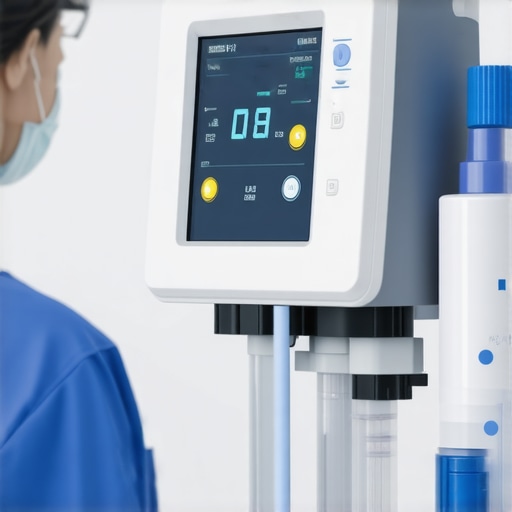
I remember the panic in the emergency room when an infusion pump started alarming nonstop during a shift. The patient needed medication, but every few seconds, the device beeped wildly, making everyone jump. It turned out to be a cheap infusion pump that didn’t quite do its job, and those false alarms created chaos instead of delivering relief. That moment was a lightbulb for me—how can medical supplies at the lower end of the price scale cause such chaos?
Unmasking the Cost of Go-Low on Equipment Quality
As a healthcare provider, I’ve seen firsthand how budget-friendly infusion pumps often lead to more trouble than they’re worth. False alarms not only disrupt workflow but can also desensitize staff, leading to ignored alerts and potentially dangerous oversights. It turns out that cheaper devices often cut corners on sensor quality and alarm calibration, making them prone to triggering without real issues. This isn’t just inconvenience; it’s a patient safety concern.
Is Saving Money Actually Worth the Risks?
When I first started, I thought skimping on supplies was a smart way to keep costs down. But an early mistake I made was overlooking the importance of verified equipment quality. I assumed all infusion pumps were created equal, which was a costly misconception. Now, I always recommend investing in reliable, well-calibrated medical devices. Trust me, the short-term savings pale in comparison to the long-term costs of faulty equipment—something to consider seriously.
If you’ve ever faced those relentless false alarms, you’re not alone. Many healthcare providers struggle with the same issue, and the cumulative effect can be frustrating and dangerous. Luckily, there are practical steps to minimize the problem. Want to learn how to identify reliable infusion pumps and improve your device setup? Let’s explore the solutions together, so you can keep patient safety and workflow intact.
Assess Manufacturer Reputation Before Purchasing
Start by researching brands known for high-quality medical devices. Look for manufacturers with certifications like ISO 13485, which indicates compliance with international standards. During a procurement round, I once avoided a low-cost supplier due to limited reviews and ended up with devices prone to false alarms, causing delays in critical care. Prioritize vendors with strong support and proven track records, similar to how top-tier hospitals select trusted suppliers for their essential [medical supplies](https://medicaldeviceinsight.com/top-medical-supplies-every-healthcare-provider-should-stock-in-2025-0243-pm).
Verify Device Calibration and Accuracy
Always request calibration certificates and validation reports. Proper calibration ensures sensors respond accurately to real patient needs, reducing false alarms and improving safety. I learned this the hard way when a batch of infusion pumps arrived uncalibrated, leading to multiple alarm triggers during initial use. Implementing routine calibration checks, akin to routine maintenance for a high-performance vehicle, significantly enhances device reliability.
Test Devices in Real-World Settings
Before committing, test medical equipment in actual clinical scenarios. Sandbox testing—using dummy models or simulated environments—can reveal quirks or deficiencies. During one setup of new infusion pumps, I noticed that certain models wobbled on uneven hospital floors, risking malfunction. To prevent this, I adopted robust testing protocols, similar to how [upgrading medical equipment](https://medicaldeviceinsight.com/upgrading-medical-equipment-tips-for-seamless-transition-0514-pm) involves thorough field assessments.
Pay Attention to Alarm System Calibration
False alarms often stem from improperly calibrated alarm thresholds. Fine-tune alarm parameters based on patient acuity levels and device specifications. For example, I adjusted alarm settings for infusion pumps during a high-risk procedure, which minimized unnecessary alerts. Properly calibrated alarms act like well-tuned sirens—alerting only when truly necessary rather than causing alarm fatigue.
Review Compatibility and Connectivity Options
Ensure devices integrate seamlessly with existing hospital systems. This includes checking data sharing capabilities, such as connectivity with electronic health records (EHRs). During a recent integration, I verified that smart infusion pumps could transmit data wirelessly, reducing manual entry errors. Compatibility upgrades are critical, much like adopting the latest [advanced medical equipment](https://medicaldeviceinsight.com/revolutionizing-patient-care-with-advanced-medical-equipment-0622-pm), which enhances overall workflow and safety.
Maintain a Detailed Inventory and Documentation
Track all equipment serial numbers, calibration dates, and maintenance records meticulously. Utilizing digital inventory management tools streamlines this process. I once faced a situation where expired calibration certificates led to device rejections. Having detailed records saved me significant troubleshooting time. Effective inventory management mirrors the systems used to monitor [critical medical supplies](https://medicaldeviceinsight.com/critical-medical-supplies-for-emergency-preparedness-in-2025-1030-am), ensuring readiness and compliance.
Train Staff on Proper Device Handling
Educate healthcare personnel on correct operation and troubleshooting. Hands-on training reduces misuse and misunderstanding, which are common culprits for false alarms. I hosted a workshop where staff learned to adjust alarm thresholds safely, resulting in fewer unnecessary alerts. Well-trained users act like competent copilots—preventing errors that compromise patient safety and device performance.
Many assume that purchasing medical devices is as straightforward as selecting the cheapest or most popular options, but this oversimplification overlooks critical nuances. One common myth is that all medical supplies, regardless of their quality, provide the same safety and reliability. In reality, subtle differences in sensor calibration, material durability, and compatibility can significantly impact patient outcomes. For example, a low-cost blood pressure cuff might be prone to inaccurate readings, leading to misdiagnoses or improper treatment. According to a study published by the American Journal of Medical Quality, calibration discrepancies as small as 2 mmHg can lead to substantial clinical misinterpretations, emphasizing the importance of precision in medical devices.Maintaining medical devices over time requires the right tools and a disciplined approach to ensure ongoing reliability. In my experience, investing in high-quality calibration kits like the Fluke Biomedical Bio-Recoverage System has been invaluable for keeping infusion pumps and monitors accurate. These tools allow for precise calibration checks, which are essential to prevent false alarms or malfunctions. Regular calibration, ideally scheduled monthly or after any device relocation, is the backbone of long-term equipment performance. To streamline this process, I leverage digital maintenance management systems such as Medisolv, which track calibration dates, maintenance history, and alerts for upcoming service needs, ensuring nothing slips through the cracks. Analytic software can also identify patterns indicating potential failures before they become critical, aligning with future trends in predictive maintenance for medical devices. Prediction-wise, I foresee a move toward integrated IoT solutions that enable real-time remote diagnostics, reducing downtime and improving patient safety. How do I maintain medical equipment over time? The key lies in combining routine calibration with smart management tools and staying informed about the latest innovations. For example, exploring [the latest medical equipment technologies](https://medicaldeviceinsight.com/latest-medical-equipment-technologies-transforming-hospitals-0456-pm) can give you an edge in adopting tools that simplify maintenance. Don’t forget to regularly review your inventory of supplies via inventory management platforms like the one discussed in [this article](https://medicaldeviceinsight.com/how-to-optimize-medical-supplies-inventory-for-better-efficiency-1158-am), ensuring your staff always has access to critical repair and calibration components. Establish a maintenance routine that combines these tools with your team’s expertise, and you’ll enhance the longevity and reliability of your devices, ultimately safeguarding patient outcomes. Dive into these strategies and consider trying out advanced calibration kits or management systems—they are game-changers in keeping medical equipment working flawlessly.
Why I Stumbled—and What It Taught Me About Equipment Choices
One of my earliest mistakes was assuming all medical devices are created equal, leading to overlooked details that matter immensely. That realization woke me up to the importance of scrutinizing calibration reports and manufacturer credentials—an eye-opening lesson on the value of diligence and not settling for cheap shortcuts.
Secrets Veteran Healthcare Providers Keep About Reliable Medical Supplies
- Trust the Experts, Not Just the Price: Ensuring device quality isn’t about finding the lowest cost but verifying vendor reputation and certifications. The difference in patient safety can be life-changing.
- Routine Calibration Means Peace of Mind: Regular calibration and validation are essential; tools like the [latest calibration kits](https://medicaldeviceinsight.com/latest-medical-equipment-technologies-transforming-hospitals-0456-pm) are game-changers for maintaining accuracy and avoiding false alarms.
- Test Before You Deploy: Simulating real-world scenarios during setup often reveals hidden flaws, such as stability issues on uneven floors—preventing emergencies before they happen.
- Fine-Tune Alarm Settings Like a Pro: Proper alarm calibration minimizes interruptions and fatigue, ensuring alerts are meaningful and timely for patient safety.
What Keeps Me Going When Equipment Gets Tough
Investing in quality medical supplies and smart management systems isn’t just a professional decision—it’s a commitment to patient safety. Advanced tools like [predictive maintenance software](https://medicaldeviceinsight.com/medical-devices-innovation-future-trends-to-watch-in-2025-0917-am) and regular staff training have transformed my approach from reactive troubleshooting to proactive care. Remember, the true measure of your facility’s excellence is how resilient and reliable your equipment remains under pressure—so keep learning, testing, and upgrading. Curious if your current setup stands up to expert standards? Dive into our detailed guides or contact us through [this page](https://medicaldeviceinsight.com/contact-us) for tailored advice.