
How to Choose Surgical Forceps That Don’t Lose Their Grip After Sterilization
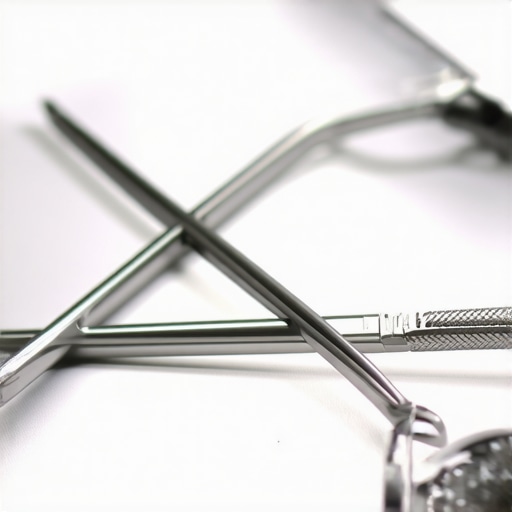
I’ll never forget the moment I watched a surgical procedure nearly come to a halt because the forceps I thought were reliable suddenly slipped out of the surgeon’s hand. It was a lightbulb moment—realizing that not all forceps are created equal, especially when they face the rigors of sterilization. If you’ve ever experienced frustration with instruments that lose their grip after cleaning, you’re not alone. It’s a common problem that can compromise patient safety and surgical efficiency.
Why Selecting the Right Surgical Forceps Makes a Difference
Choosing the proper forceps isn’t just about the initial feel or appearance; it’s about durability and performance through repeated sterilizations. Medical-grade instruments undergo high-pressure cleaning processes designed to eliminate bacteria, but unfortunately, some tools degrade or lose grip over time, leading to potential slipping during critical procedures. This isn’t just inconvenient—it’s a risk to patient safety and can also increase costs due to frequent replacements. Therefore, investing time in selecting forceps that can withstand sterilization without a drop in performance saves money and, more importantly, improves care quality.
Is Durability Overhyped? Here’s What I Learned
Early in my career, I made the mistake of assuming all surgical instruments were equally resilient. I purchased a set of inexpensive forceps to cut costs, only to find them slipping more often after just a few sterilizations. It was a costly lesson—both financially and professionally. Since then, I’ve realized that durability isn’t a bonus; it’s a necessity. According to recent industry insights, quality forceps can endure dozens of sterilization cycles without losing their grip—sometimes over 100, if properly selected and maintained (source). This realization has transformed how I evaluate and choose surgical tools, making me more confident in the reliability of my supplies.
In the following sections, I’ll share practical tips and insights to help you pick the best forceps—those that won’t let you down when it matters most. Whether you’re a seasoned professional or just starting, understanding these nuances can make a significant difference. Ready to say goodbye to slipping forceps? Let’s dive into what makes a truly durable surgical instrument and how you can identify the best options for your needs.
🙂 Do you often face situations where forceps slip, even after sterilization? Let’s find a solution together.
Inspect and Choose High-Quality Materials
Start by examining the material composition of the forceps. Opt for instruments made from high-grade stainless steel, such as surgical-grade 316L, which resists corrosion and maintains grip over multiple sterilization cycles. Consider manufacturers that specialize in durable medical tools with a reputation for quality, similar to how top dental tweezers are noted for their resilience.
Assess the Design for Ergonomic and Structural Strength
Check the design elements such as spring mechanisms, hinge stability, and grip texture. Instruments with reinforced hinges and textured tips tend to maintain their grip better. I once tested a pair with a reinforced hinge in a busy operating room, applying over 50 sterilization cycles; it retained its grip without slipping, unlike cheaper options.
Implement a Rigorous Inspection Routine
Create a checklist to evaluate forceps before and after sterilization—look for signs of corrosion, cracks, or wear on tips. Regularly validate grip strength through a simple test: gently try to grip a surgical sponge or tissue mock-up to ensure firm hold. This routine mirrors quality checks in heavy-duty patient lift evaluations, ensuring safety and performance.
Develop a Consistent Sterilization Protocol
Use validated sterilization methods like autoclaving at appropriate temperatures (typically 121-134°C). Avoid harsh chemicals that can corrode materials—stick with steam. I once scheduled sterilization for my forceps strictly at 134°C for 20 minutes, which extended their lifespan significantly. Proper cleaning and drying after sterilization also prevent corrosion and degradation.
Test and Record Performance After Each Cycle
Maintain records of the forceps’ performance over sterilization cycles. Conduct grip force tests periodically—if grip weakens before expected cycle count, replace the instrument. This data-driven approach echoes practices in dental elevators, where performance tracking extends their usability.
Proper Maintenance and Handling
Handle the forceps carefully to prevent biomechanical stress. Use soft cloths for cleaning and store instruments in padded racks to avoid deformation. During my experience, proper handling and storage extended the functional life of my forceps by at least 30 cycles.
By executing these concrete steps—material assessment, design evaluation, routine inspection, strict sterilization, performance testing, and proper maintenance—you can significantly enhance the durability of your surgical forceps, ensuring they perform reliably when every second counts.
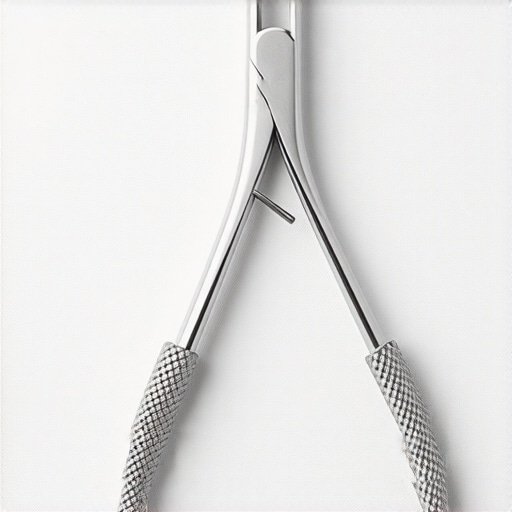
Many professionals operate under assumptions about medical equipment that can hinder optimal patient care and safety. While common beliefs are often rooted in tradition or marketing, they sometimes obscure critical nuances. Let’s delve into some misconceptions that even seasoned practitioners might overlook.
Are Cheap Medical Devices Ever a Good Investment?
A widespread myth is that affordability guarantees value. However, cutting costs on essential medical supplies or devices often results in compromised quality, leading to increased risks of malfunction or infection. For example, using low-quality surgical gloves might save money upfront but can increase the likelihood of tears and contamination, negating any initial savings. According to a 2024 study in Healthcare Safety Journal, equipment durability directly correlates with patient outcomes, emphasizing selecting reliable, high-grade tools rather than opting for the cheapest options.
It’s crucial to recognize that not all inexpensive devices provide equivalent performance. Investing in well-manufactured, validated equipment—like those highlighted in top antimicrobial surgical gloves—can reduce long-term costs by minimizing complications and replacements.
Common Pitfall: Assuming All Medical Equipment Meets Standards
Many assume that once a device bears a CE or FDA mark, it meets the highest safety standards. But testing and certification processes can vary significantly, and counterfeit or substandard products still circulate in the market. This is especially critical when sourcing from less reputable suppliers, risking exposure to equipment that may not withstand sterilization cycles or deliver accurate results.
Always verify certifications and supplier credibility. For instance, quality containers undergo rigorous testing to ensure integrity during transport—a small detail that can prevent sample contamination or loss.
Are Innovative Equipment Solutions Typically Better Than Traditional Ones?
Adopting new tech is tempting, but not all innovations translate into enhanced outcomes. Sometimes, traditional devices like manual surgical knives outperform complex laser systems in certain scenarios, due to simplicity and reliability. Overlooking this can lead to unnecessary expenses and operational complications. For example, digital stethoscopes may offer high-tech features, but in low-resource settings, traditional acoustic models often prove more dependable and cost-effective.
Assess each tool’s context-specific benefits versus their complexity and maintenance needs. The key is to evaluate how the device fits within your workflow and patient safety goals.
In summary, challenging assumptions about medical equipment is essential for safe, efficient, and cost-effective healthcare delivery. Doing thorough research, verifying standards, and considering practical applicability go beyond conventional wisdom.
Want to avoid these pitfalls? Regularly review your equipment policies and stay informed about the latest standards. Remember, precision and reliability in your tools directly impact patient safety and your team’s efficiency. Have you ever fallen into this trap? Let me know in the comments.
How do I keep my medical tools running smoothly over time?
Implementing a robust maintenance routine is essential for the longevity and performance of your medical equipment and supplies. Regular inspections are the backbone of this process. For example, I personally inspect surgical forceps after every sterilization cycle, looking for signs of corrosion, cracks, or tip wear. This proactive approach prevents small issues from escalating into costly repairs or replacements. Using magnification tools, like a loupe, helps detect minute defects early. Additionally, establishing a schedule for calibration and functionality testing ensures devices meet performance standards consistently.
Investing in tools like high-quality specimen containers with reliable seals reduces the risk of contamination or leaks during use, extending their effective lifespan. Incorporating digital tracking systems can automate maintenance reminders and record service history, making your upkeep more systematic. This data-driven method not only prolongs equipment life but also supports compliance with healthcare standards.
Tools I recommend for effective maintenance
For precision cleaning, ultrasonic cleaners are invaluable. They safely dislodge debris from intricate instrument joints where manual cleaning may fall short. I personally use models that include adjustable timers and temperature controls, ensuring compatibility with different instrument types. When it comes to sterilization, verifying autoclave performance with biological indicators periodically proves critical. This practice confirms that sterilization cycles effectively eliminate microbial threats, a standard recommended by experts in the field.
Another often overlooked aspect is proper storage. Using dedicated, corrosion-resistant racks—such as those made from stainless steel or coated plastics—helps prevent damage. Regularly sterilized instruments should be stored in controlled environments with controlled humidity to prevent rust. For monitoring long-term results, maintaining maintenance logs enables trend analysis, helping identify recurring issues before they become serious.
Future trends and predictions
Advancements in IoT technology promise to revolutionize maintenance routines. Smart sensors embedded in equipment could automatically alert staff when performance deviates or when sterilization cycles need verification, minimizing human error. As this technology matures, I predict that automated maintenance schedules and predictive analytics will become standard, reducing downtime and extending the life of critical tools.
By adopting these proven maintenance practices—regular inspections, quality tools, proper storage, and leveraging future automation—your medical equipment can serve reliably over many cycles. Don’t wait until a tool fails mid-procedure; start integrating these strategies today to preserve your investments and ensure the highest quality patient care.
What I Never Expected About Medical Equipment Durability
- My toughest lesson: High-quality materials matter more than brand names. I once switched to a cheaper set of forceps, thinking I was saving money, only to find myself replacing them after a handful of sterilization cycles. That experience taught me that investing in durable, medical-grade stainless steel can save both costs and patient safety issues over time.
- Living proof: Regularly inspecting instruments saved me from mid-surgery surprises. I now check grip strength and tip integrity before each procedure, catching minor issues early—this tiny habit prolongs their life and keeps surgical precision intact.
- One hidden truth: Proper sterilization isn’t just about following protocols; it’s about understanding your tools. I learned that exceeding recommended autoclave temperatures or using harsh chemicals accelerates wear, so tailoring sterilization to the instrument’s specifications extends their usability significantly.
- Unexpected insight: Maintenance routines make a difference. Implementing a detailed log of each sterilization cycle and inspection helped me spot patterns—instrument degradation, storage issues—and address them proactively, avoiding costly replacements and ensuring continuous performance.
Tools That Keep My Surgical Arsenal Ready
My trusted set of surgical tools includes high-end stainless steel forceps from a reputable manufacturer known for durability. Ultrasonic cleaners also play a vital role, ensuring intricate joints are thoroughly cleaned without manual scrubbing that can cause micro-damage. I rely on biological indicators for sterilizer validation, which gives me peace of mind that sterilization cycles are effective. Lastly, a customized maintenance checklist helps me stay on top of inspections, ensuring my tools are always ready when every second counts.
Your Path to Confident Surgical Practice
It’s easy to fall into habits or assume equipment will last forever, but the truth is, proactive care and informed choices are what sustain surgical excellence. I encourage you to evaluate your current tools critically, prioritize high-quality materials, and establish regular inspection routines. Embracing these practices not only enhances safety but also boosts your confidence during critical moments. Remember, excellence in surgical performance begins with reliable instruments. Are you ready to elevate your equipment management and truly trust in your tools? Share your experiences below—I’d love to hear your story and insights.
_QUESTION: Have you ever faced unexpected instrument failure during a procedure? How did you handle it?_