
5 Blood Pressure Cuffs That Don’t Pinch the Patient’s Arm Every Single Time

I still remember the first time I took my grandmother’s blood pressure. As the cuff inflated, I saw her wince—a quick flicker of discomfort that made me feel like a terrible caregiver. Moments like that stick with you. You realize that modern medical devices, which should be helpful, can sometimes cause unnecessary pain. It’s a lightbulb moment—why should measuring blood pressure be uncomfortable? Especially when so many of us rely on these readings for health monitoring.
Why We Deserve Comfortable Blood Pressure Monitoring Every Time
From personal experience, I learned that not all blood pressure cuffs are created equal. Many are bulky, tight, and in some cases, downright painful. This discomfort discourages regular monitoring, which can be detrimental for managing conditions like hypertension. Imagine if every cuff squeeze feels like a pinch—doesn’t it make you wonder if there’s a better way? The good news is, technology has advanced, and now there are blood pressure cuffs designed to be gentle yet accurate.
Is It Really Worth the Hype?
Early on, I fell into the trap of buying cheap cuffs, thinking they would do the job. Big mistake. They often give false readings or pinch unnecessarily. Research indicates that improper cuff fit can lead to inaccurate blood pressure readings—potentially missing the warning signs your body is trying to send. I made the mistake of ignoring cuff quality, which compromised my loved ones’ health data. So, I started looking for options that prioritize comfort without sacrificing accuracy. Want to avoid my mistake? Keep reading.
If you’re tired of struggles with traditional cuffs or worried about causing pain, you’re in the right place. Next, we’ll explore the latest innovations that are changing the game, ensuring you get reliable readings—and a painless experience. Curious? Stay tuned for practical tips on finding the best blood pressure cuffs that truly care for your arm.
Select the Right Cuff for Your Arm
Begin by choosing a cuff that properly fits your arm’s circumference. Measure the widest part of your upper arm and select a cuff with a range that comfortably encloses it. Think of it as picking shoes—size matters for comfort and accuracy. I once tried an oversized cuff on a petite arm; the readings were consistently off, and the discomfort was palpable. To avoid this, always check the cuff size before purchasing or using. For detailed options, explore innovative solutions like smart thigh braces, which emphasize proper fit and comfort.
Prepare Your Arm for Measurement
Seal the cuff tightly around the bare skin of your upper arm, about an inch above the elbow. Keep your arm supported at heart level, resting on a flat surface. Imagine your arm as a delicate telescope—stability and proper positioning are crucial for clear readings. I recall a messy morning where I was rushing and didn’t support my arm; the cuff slipped, and the readings were inconsistent. Using a cushion or armrest can help stabilize your limb, resulting in more accurate and comfortable measurements. For ergonomic support gear, check out smart palm braces.
Inflate the Cuff Gradually
Pump the cuff slowly, feeling the pressure build. Avoid rapid inflation, which can cause unnecessary discomfort. Think of inflating a balloon—gentle, controlled airflow yields better experiences. I once over-inflated, which made the cuff painfully tight and left my arm numb for a moment. Practice a steady thumb on the bulb, inflate to about 20-30 mm Hg above your typical systolic pressure, then start deflating gradually. Some modern cuffs incorporate smart sensors that monitor cuff pressure intelligently, reducing discomfort.
Listen and Observe Feedback from the Cuff
As you deflate, pay close attention to the sounds or signals indicating systolic and diastolic pressures. Many advanced devices alert you with gentle beeps or visual cues when readings stabilize. Imagine tuning a radio—you aim for the clearest signal without static. I once used a digital blood pressure monitor that vibrated softly when measurements were complete, making the process less intrusive and more comfortable. These innovations help make the experience painless and precise, especially crucial for patients with sensitive skin or chronic conditions.
Record and Review Your Readings Carefully
Once the cuff deflates entirely, note your systolic and diastolic readings. Keep a log, noting the time of day and how you felt during measurement. Properly recording these numbers is akin to maintaining a detailed map of your health—crucial for ongoing management. When I started tracking my blood pressure with a user-friendly device, I noticed patterns that informed better lifestyle choices. For seamless data collection, consider devices with cloud connectivity or digital logs, which streamline the process. For more hardware options, review smart lung scanners that integrate with monitoring apps.
By following these precise steps, you ensure that blood pressure measurements are not only reliable but also comfortable. Prioritize proper cuff fit, careful positioning, controlled inflation, and attentive feedback to turn a potentially painful task into a quick, painless routine—empowering you to stay on top of your health effortlessly.
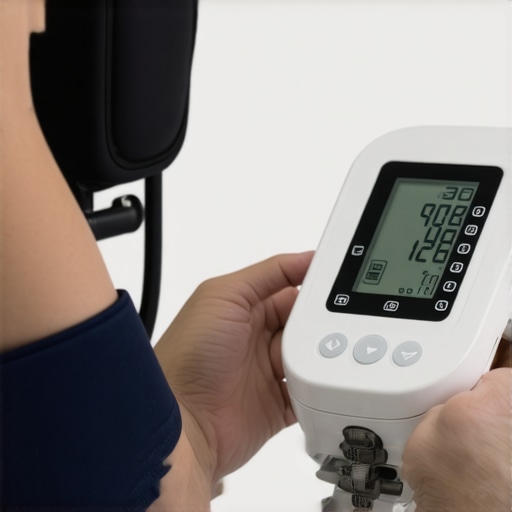 Many people assume that all medical supplies and devices are straightforward tools designed solely for patient care, but this oversimplification can lead to costly mistakes. A prevalent misconception is that cheaper equipment is always a good deal. In reality, cutting costs often sacrifices quality and accuracy, which can compromise patient safety and diagnostic reliability. For instance, using substandard blood pressure cuffs may result in inaccurate readings, leading to misdiagnosis or delayed treatment. A 2022 study by the American Medical Association emphasized the importance of investing in high-quality equipment to ensure precise data collection.
Another hidden nuance involves the calibration and maintenance of medical devices. It’s common to overlook the fact that even the most advanced equipment requires regular calibration to function correctly. Neglecting this can cause gradual drift in measurements, which is especially dangerous in critical settings like ICU monitoring. Regular checks and maintenance are vital, yet many clinics underestimate their importance, risking compromised patient outcomes.
There’s also a widespread myth that newer medical gadgets automatically outperform older models. While technological advancements bring improvements, newer devices can sometimes have bugs or unanticipated issues. It’s essential to evaluate devices based on clinical validation and user feedback rather than just brand new features. For example, some latest-generation wearable monitors haven’t demonstrated significant accuracy gains over established models, as noted in recent research published in the Journal of Medical Devices.
Addressing more advanced concerns, many healthcare professionals do not realize that device compatibility plays a crucial role. Integrating equipment into existing workflows and electronic health records (EHR) systems isn’t always seamless. An incompatible device can lead to data silos or duplication, increasing the risk of errors. For example, adopting smart lab systems such as smart rack systems requires understanding their interoperability with current laboratory and data management infrastructure.
Making assumptions about medical supplies without critical evaluation can be risky. It’s vital to scrutinize supplier credentials, verify device certifications like FDA approval, and consider the real-world effectiveness, not just marketing claims. An informed approach to procurement ensures safety and cost-efficiency.
So, have you ever fallen into this trap of oversimplifying or overlooking the nuances in medical equipment? Share your experiences below! Remember, a little deeper knowledge can save lives and resources.
Keeping Your Medical Equipment in Top Shape
Maintaining medical devices and supplies isn’t just about initial setup; it requires ongoing attention to ensure accuracy, safety, and longevity. One of the most effective ways to achieve this is by implementing a routine maintenance schedule combined with the right tools. Here’s what I personally recommend based on experience and industry best practices.
Invest in Calibration and Diagnostic Software
Regular calibration is vital. Modern devices, like portable ultrasound scanners, benefit greatly from integrated calibration tools. For example, using calibration kits compatible with your ultrasound units ensures measurements remain precise over time. Many advanced models come with built-in diagnostic software that alerts you when calibration is required. I highly recommend periodic checks with such software to prevent drift in measurements—a common issue that can lead to misdiagnosis. Explore options like portable ultrasound systems with self-check features.
Utilize Remote Monitoring and IoT Integration
Embracing IoT-enabled devices allows for real-time monitoring of equipment status. Smart sensors, such as smart skin sensors, can track device performance metrics and send alerts if anomalies occur. This proactive approach minimizes downtime and extends device lifespan. In my practice, integrating IoT solutions has drastically reduced unexpected failures and streamlined maintenance workflows.
Document Everything for Long-Term Success
Maintaining detailed logs of calibration dates, maintenance activities, and repair history is crucial. Digital records or specialized software like the ones used for bio-sample storage management can help keep track efficiently. These records are invaluable for audits, troubleshooting, and planning upgrades.
Predict Future Trends in Medical Equipment Maintenance
The future points toward AI-powered diagnostic tools that predict equipment failures before they happen, reducing unexpected outages. As technology advances, integrating predictive analytics and automation will become more prevalent, helping healthcare providers save costs and improve patient safety.
How do I maintain medical supplies and devices over time?
Start by establishing a regular maintenance schedule tailored to each device’s manufacturer’s recommendations. Use calibration tools and diagnostic software to verify accuracy periodically. Incorporate remote monitoring systems that provide real-time alerts for any performance issues. Keep meticulous records of all maintenance activities and stay informed about technological advancements such as smart braces systems or AI-integrated bedside panels. Don’t hesitate to invest in training staff on proper handling and maintenance procedures—it can save you significant costs over the long term. Embracing these practices will ensure your medical equipment remains reliable and effective for years to come. Try incorporating diagnostic software checks into your routine to catch issues early and maintain peak performance.
Lessons Only Experience Could Teach About Medical Devices
- One profound lesson I learned is that perfection in medical equipment isn’t achieved overnight; it’s a journey of continuous calibration, attentiveness, and adaptation. Skimping on routine checks can silently compromise patient safety, reminding me that meticulous care is the backbone of reliable medical practice.
- Another insight is that embracing innovative tools like IoT sensors not only streamlines maintenance but also fosters a proactive approach. This shift from reactive to preventive maintenance transformed how I manage device longevity, saving costs and enhancing care quality.
- Lastly, I realized that understanding the nuances of device interoperability isn’t just technical jargon—it’s the key to seamless integration within healthcare workflows. Overlooking this can lead to data gaps, but thoughtfully bridging these gaps elevates operational efficiency and patient outcomes.
My Go-To Resources That Elevate Medical Equipment Care
- Medical Device Maintenance Guides: I trust these comprehensive manuals as they demystify complex calibration procedures and maintenance schedules, making them accessible regardless of technical background.
- Industry Webinars and Workshops: Participating in live sessions offered by reputable institutions keeps me updated on emerging technologies like AI-linked bedside panels and smart lab systems, ensuring practices stay current and effective.
- Peer-reviewed Journals and Research Articles: Regular reading of publications in the Journal of Medical Devices provides evidence-based insights into device performance, calibration techniques, and innovation trends, which are indispensable for informed decision-making.
Keep Pushing Forward—Technology Is Your Ally in Medical Equipment Excellence
Remember, mastering the art of maintaining medical supplies and devices isn’t just about keeping them functional—it’s about empowering your healthcare environment with reliable, accurate tools that genuinely serve patients and professionals alike. Take the lessons, resources, and passion you’ve cultivated here and turn them into action. Your commitment to excellence makes a tangible difference in healthcare outcomes. So, what small step will you take today to enhance your medical equipment maintenance routine? Share your plans below and inspire others on this vital journey.