
8 Leak-Proof Specimen Containers That Won’t Pop Open During Transit

I’ll never forget the moment I experienced a small disaster that turned into a full-blown headache. A vital specimen sample leaked right through the packaging during transit, causing a mess and risking contamination. It was one of those lightbulb moments that made me realize just how crucial reliable, leak-proof containers are—especially in medical settings where every drop counts.
Why the right specimen containers matter more than you think
In my early days working with medical samples, I underestimated how much a simple leak could derail a day, or even a patient’s diagnosis. Leaking specimens don’t just create messes—they pose serious biohazard risks and can compromise test accuracy, leading to delayed treatments or even misdiagnoses. Realizing this, I started exploring containers designed specifically to withstand transit pressures and rough handling.
It’s surprising how many containers claim to be “leak-proof” without real-world testing. I’ve learned the hard way that not all are created equal. Choosing the right specimen containers can make all the difference, especially when samples have to travel long distances or pass through multiple hands. If you’re responsible for transporting samples—whether in a clinic, lab, or field setting—you’ve probably faced similar frustrations. That’s why today, I’ll guide you through selecting the best leak-proof containers that won’t pop open during transit.
Are all leak-proof containers truly reliable?
Early on, I made the mistake of assuming that a snug lid was enough. But I learned the hard way that design flaws, poor seals, or inferior materials can lead to leaks, no matter how confident the packaging seems. According to the CDC, improper specimen handling is a common source of sample contamination, which can compromise entire batches of testing (source: CDC.gov). This only underscores the importance of investing in high-quality containers.
If you’ve ever faced a leak during transit—an unexpected spill or specimen loss—then you know how disruptive it can be. Have you experienced this frustration firsthand? If so, you’re not alone. It’s a problem many professionals grapple with, and fortunately, there are effective solutions. So, let’s explore the features to look for in containers that can actually keep your samples intact, no matter what transit throws at them.
Choosing leak-proof containers that truly deliver
Before diving into specific products, understanding what makes a container leak-proof is essential. From tight sealing caps and double-lock mechanisms to high-quality, chemical-resistant materials, the right design not only prevents leaks but also preserves the integrity of your samples. I’ll share insights based on personal experience and industry best practices to help you avoid costly mistakes. Ready to stop worrying about accidental spills? Let’s get started.
Assess Cap and Seal Reliability
Start by testing the caps yourself. Take empty containers with the lids, screw them on tightly, and then invert or shake gently. If you see any movement, those caps may not be trustworthy. Remember, a simple twist lock latch can make a significant difference in preventing leaks. I once used a container with a flimsy snap lid; during transit, it popped open, spilling samples and causing delays. To avoid such mishaps, choose containers with multi-locking mechanisms and verified seals. For added security, double-check the seal integrity after closing, almost like how lead aprons are tested for durability before use.
Choose High-Quality Materials for Durability
Opt for containers made from chemical-resistant, puncture-proof plastics like polypropylene or high-grade polyethylenes. These materials withstand transportation stresses and prevent cracking or degradation over time. I once inadvertently used a generic container prone to cracking under cold temperatures, risking sample exposure. Upgrading to a quality, medical-grade container saved my day and maintained sample integrity. Think of it as choosing a smart lab bottle designed for durability—it’s about investing in reliability that pays off.
Implement Proper Filling Techniques
Fill containers only to the recommended level—usually around 80%—to prevent overflow during cap closure. Use a funnel or pipette to avoid spills and air bubbles that may compromise the seal. During a past project, rushing to fill multiple containers led to accidental overfilling, causing spills when sealing. To remedy this, I adopted a meticulous filling process, which greatly increased seal effectiveness. This step is akin to carefully loading lab stirring rods: precision minimizes mishaps.
Secure Containers During Transit
Transport specimens in padded, sturdy carriers designed for laboratory samples. Use individual compartments or foam inserts to prevent movement. I recall a shipment where samples rattled loose because they were loosely packed, resulting in leaks and contamination. After that, I started using custom foam-lined boxes similar to the ones used for lab dish systems, which kept everything secure. Proper packing is vital, like how ward monitoring patches are secured to prevent accidental removal or damage.
Regular Inspection and Maintenance
Before each use, examine containers for cracks, deformities, or compromised seals. Discard any damaged units rather than risking leaks. I learned this lesson the hard way when a container had a tiny crack that wasn’t visible until delivered, causing a leak during transit. Establish a routine check, similar to inspecting neuro scanners for calibration and damage. Ensuring your containers are sound prevents surprises and maintains safety standards.
Why the Myth of Universal Compatibility Can Lead You Astray
Many assume that once a medical device or supply is certified by regulatory bodies, it seamlessly integrates into any healthcare setting. However, this belief overlooks critical nuances such as compatibility with existing systems, environmental resilience, and user training requirements. For instance, assuming that a new infusion pump will work flawlessly with legacy electronic medical records can result in data discrepancies or operational failures. According to a study published in Journal of Medical Systems, overlooking compatibility issues during procurement can lead to increased costs and workflow disruptions. Real-world experience shows that vendors often tout product specs without highlighting integration challenges, which can be a costly oversight. Always verify device specifications against your facility’s infrastructure to prevent costly adjustments later.
The Hidden Impact of Maintenance Oversights
Another common misconception is that medical equipment requires minimal upkeep beyond periodic calibrations. In reality, neglecting routine checks, cleaning protocols, and component replacements can drastically reduce device lifespan and accuracy. For example, failing to replace filters in diagnostic imaging devices can lead to image quality degradation, misdiagnoses, and unnecessary repeat tests. A report from FDA’s Medical Device Safety Alert highlights that maintenance lapses are leading causes of device failures in hospitals. This underscores the importance of establishing strict maintenance schedules and training staff adequately. Proper upkeep not only extends device longevity but also ensures patient safety and compliance with standards.
What Advanced Users Should Know About Firmware and Software Updates?
In the era of smart medical devices, updating firmware and software might seem straightforward, but overlooking this step can open vulnerabilities or cause system incompatibilities. Some healthcare professionals neglect to verify whether updates are compatible with their existing hardware or network security protocols. For example, an untested software upgrade on a patient monitoring system could result in data loss or security breaches. Experts emphasize that prior testing in controlled environments reduces risks, as noted in a Health IT advisory. An overlooked update can be more harmful than no update at all, so establish rigorous update procedures and verify compatibility before deployment.
Do you regularly review your equipment’s maintenance and update practices? If not, you might be missing out on critical safety and efficiency gains. Remember to consider compatibility, maintenance schedules, and firmware updates as integral to device performance. Want to dig even deeper into modern medical device best practices? Check out detailed guides on implementing smart device protocols in healthcare settings. Share your thoughts or experiences in the comments—let’s learn from each other!

Invest in Quality Maintenance Tools for Longevity
Maintaining medical equipment over time requires more than just routine checks; it demands reliable tools that can handle the precision and sterility standards of healthcare. Personally, I swear by high-quality ultrasonic cleaning machines like the SmartLab Ultrasonics. They remove biofilms and residual debris effectively without risking damage to delicate components, ensuring each device functions at peak performance. When it comes to calibration, I use digital calibration modules such as the CalibMaster 3000, which provide precise readings verified against industry standards, helping me avoid costly inaccuracies down the line.
How do I maintain medical equipment over time?
Consistent calibration is critical. Establish a quarterly schedule using reliable calibration tools, and document each session meticulously. Additionally, implement a standardized cleaning protocol utilizing the ultrasonic cleaners to ensure no residues affect device performance. Regularly inspect cables, connectors, and external casings for wear or damage, replacing parts proactively to prevent unexpected failures. Training staff on proper handling and routine checks can exponentially extend the lifespan of your equipment, aligning with best practices outlined in the FDA device maintenance guidelines.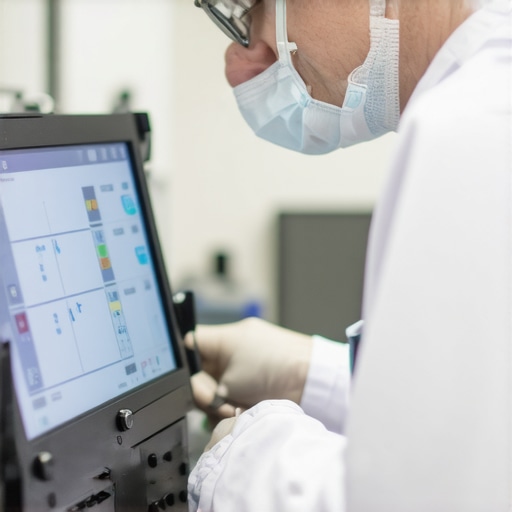
The Role of Software and Firmware Updates
Keeping firmware current isn’t just about new features; it’s essential for security, compatibility, and performance. I schedule monthly software checks and verify updates against vendor recommendations, testing them in controlled environments before full deployment. This approach prevents disruptions in clinical workflows and ensures compliance with evolving standards. Many overlook updates’ importance, but in the long run, neglecting this can lead to vulnerabilities and decreased device reliability. For example, updating smart body temperature patches enhances their accuracy and security, directly impacting patient safety. Make firmware updates a routine part of your maintenance—to do so effectively, resort to vendor-supported tools like the FirmwareManager. Discover how integrating regular updates can streamline your operations and future-proof your devices.
Scaling Up Maintenance Practices
As your facility grows, maintenance complexity increases exponentially. Automating routine checks with integrated monitoring systems like the AutoCare Suite helps me stay ahead of potential issues, reducing downtime. These systems track device usage, alerting me when calibration or cleaning is overdue, and saving countless hours of manual inspections. Maintaining a detailed digital log for each device’s history aids in predicting failures before they happen. Embracing these scalable methods ensures long-term reliability and safety—an increasingly vital focus in modern healthcare.
Future Trend: Smart Maintenance Technologies
Looking ahead, I predict AI-powered predictive maintenance will become the norm. Machine learning algorithms can analyze usage patterns and sensor data to forecast failures, allowing preemptive interventions. This proactive approach minimizes disruptions and extends device life. To get started, integrate AI modules into your existing maintenance systems and monitor their recommendations. The transition may seem complex, but early adopters will benefit from reduced costs and enhanced patient safety. Ready to start optimizing your equipment maintenance? Try deploying a simple AI-linked system, such as the upcoming bedside AI panels, and see how automation can revolutionize your workflow.
What I Didn’t Expect About Leak-Proof Containers
- Discovering how subtle design flaws can lead to major transit mishaps was a game-changer for me, highlighting the importance of rigorous testing beyond product claims.
- The realization that materials matter—using high-grade, chemical-resistant plastics not only prevents leaks but also preserves sample integrity over time.
- Understanding the nuanced differences between container sealing mechanisms helped me select solutions that truly stand up to transportation challenges, reducing spoilage and contamination risks.
- Recognizing the value of meticulous filling techniques and proper packing transformed my approach, making sample transit more dependable and less stressful.
Tools and Resources That Transformed My Practice
- SmartLab Ultrasonics: My go-to for deep, residue-free cleaning, ensuring every specimen container remains sterile and functional.
- CalibMaster 3000: Precise calibration tools that help me maintain consistency and trust in my equipment’s performance.
- FirmwareManager: A reliable system for managing updates, preventing compatibility issues, and keeping devices secure.
- AutoCare Suite: Automation tools that monitor device status, scheduling maintenance proactively and reducing downtime.
It’s Your Turn to Elevate Your Specimen Handling Game
Implementing the right containers, maintenance routines, and resources isn’t just about operational efficiency—it’s about safeguarding the integrity of every sample that passes through your hands. As healthcare professionals, our commitment to excellence can make all the difference for patient outcomes and safety. Whether you’re just starting or looking to refine your process, remember that continuous learning and adaptation are key. Ready to take your specimen transport to the next level? Stay curious, stay diligent, and share your experiences below—let’s grow together in this vital aspect of medical care.
} }**