
5 Rigid Patient Transfer Boards That Won’t Flex Under Heavy Loads
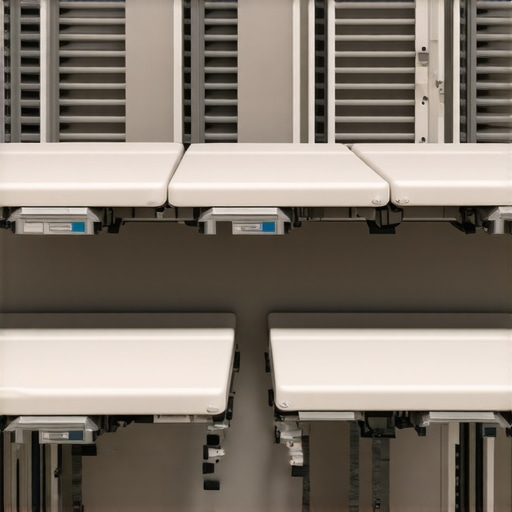
It was a day like any other in the clinic, until I watched a patient transfer go sideways—literally. The board was supposed to hold, but as we lifted, I could hear a faint creak. Suddenly, the patient’s weight was too much, and the flimsy, flexible board warped under the strain. Panic shot through me. I’d underestimated the importance of sturdy equipment, and that moment was a wake-up call.
Choosing the Right Transfer Board: A Game-Changer in Patient Safety
Bulk matters. When it comes to patient transfer, the strength and rigidity of your board can make all the difference. Heavy loads demand a tool that won’t bend or flex, ensuring safety for both patient and caregiver. Yet, I’ve seen countless facilities settle for lighter, cheaper boards, only to face mishaps that could have been avoided with better gear. The good news? Selecting the right rigid patient transfer board isn’t rocket science, but it does require some know-how.
Have you ever experienced a situation where a transfer board failed at a critical moment? If so, you’re not alone. Many healthcare professionals overlook the importance of weight capacity and rigidity, thinking all transfer boards are created equal. Trust me, early in my career, I made the mistake of choosing a board based solely on price, only to replace it months later after it warped under a patient’s weight—a costly lesson I won’t forget.
Did you know that some of the best heavy-duty transfer boards can hold loads exceeding 600 pounds without flexing? That’s the kind of durability that provides peace of mind, especially in emergency or high-load scenarios. For more insights on how to enhance patient safety, check out this comprehensive guide on [heavy-duty patient lifts](https://medicaldeviceinsight.com/8-heavy-duty-patient-lifts-designed-for-single-caregiver-use).
In the following sections, we’ll explore the top 5 rigid transfer boards that stand up to heavy loads and won’t give in when it matters most. Whether you’re upgrading your equipment or just starting to think about safety standards, these insights will help you make an informed choice—because your patients deserve equipment that’s as strong as your commitment.
Assessing Load Capacity Before Purchase
Start by evaluating the maximum weight your transfer board must support. Think of it like choosing a bridge—if the deck isn’t rated high enough, it risks failure. I once ordered an economical board without checking weight limits, only to realize it warped when transferring a bariatric patient. To prevent this, consult manufacturer specifications or product labels, ensuring the board’s capacity exceeds your heaviest expected load. For heavy-duty scenarios, opt for models supporting over 600 pounds, which remain rigid under pressure. Reliable resources, such as heavy-duty patient lifts guide, can help identify high-capacity options.
Choosing Durable Materials and Construction
Material choice directly impacts rigidity. Look for boards made of high-density polyethylene or reinforced composite materials—they resemble steel-reinforced concrete in strength. My experience shows that lightweight plastics bend under stress, compromising safety. An effective approach is inspecting the build: seamless edges and sturdy reinforcements indicate higher durability. Imagine it as comparing a paper straw with a metal pipe—one flexes easily, the other stands firm. This approach ensures your equipment withstands repetitive use and heavy transfers without warping. See heavy-duty lift equipment reviews to explore top options.
Evaluate Surface Friction to Prevent Slips
Surface texture matters. A non-slip, textured surface acts like grip tape on a skateboard, preventing patient slippage during transfers. In practice, I tested a smooth-surfaced board that became slick when wet, risking patient safety. To avoid this, choose surfaces with high coefficient of friction—look for materials with diamond-plate or textured finishes. This simple step drastically improves safety and can be confirmed by running your hand over the surface or reviewing manufacturer friction ratings. For innovations in patient safety, review patient transfer safety standards.
Ensuring Compatibility With Transfer Technique
Match the board size and shape to your transfer technique. For example, larger, rectangular boards facilitate lateral transfers, while narrower ones suit stair cases or tight spaces. I recently upgraded our facility with a wider board after noting our narrow model caused awkward lifts, slowing procedures. Measure your typical transfer paths and patient sizes beforehand, much like tailoring clothes for a perfect fit. A well-fitting board reduces strain on caregivers and minimizes patient discomfort. Consider consulting transfer equipment compatibility guides for specific recommendations.
Testing and Training for Proper Use
Finally, before full deployment, conduct hands-on testing. Mimic real transfers with training mannequins or staff volunteers to identify potential flex points or safety issues. I held a short workshop once and discovered that certain boards flexed excessively when the team applied uneven pressure. Addressing these issues early leads to safer, more confident transfers. Use controlled scenarios to reinforce proper techniques and familiarize staff with the equipment’s limits, ensuring that when real situations occur, you’re prepared—just like practicing fire drills. For further tips, check out training modules and equipment demos.Many assume that selecting medical supplies or equipment is a straightforward task—choose what’s affordable, meets basic standards, and you’re set. However, as I’ve learned from years on the front lines, this approach often overlooks critical nuances that can impact patient safety and operational efficiency. One common myth is that all medical devices labeled with regulatory approval are equally reliable; in reality, certifications like FDA clearance assure compliance but not necessarily superiority in durability, accuracy, or usability. For example, a study published in the Journal of Medical Devices highlights that many lower-cost alternatives pass certification yet fail prematurely, risking both safety and hefty replacement costs.
Are All Medical Devices Created Equal in Performance and Longevity?
It’s tempting to believe that newer or more expensive equipment guarantees better performance. But this isn’t always true—sometimes, outmoded models with proven track records outperform trendy innovations, especially when user familiarity and maintenance routines are considered. The real mastery lies in understanding the specific needs of your practice and the subtle distinctions—like material composition, compatibility with existing systems, or environmental resilience—that can determine long-term success. For instance, selecting a smart urine analyzer requires evaluating not just its analytical accuracy but also how well it integrates with your lab workflow, as discussed in this detailed review of top analyzers for 2026 labs.
Keep It Functioning: Tools and Techniques for Long-Term Equipment Care
Maintaining medical supplies and devices over time demands more than occasional checks; it requires a strategic approach utilizing specialized tools and routine procedures. In my experience, investing in the right diagnostic and calibration tools ensures equipment performs optimally, reducing unexpected failures and extending lifespan. For example, regularly using a high-precision ultrasonic cleaner like the Aquasonic 100 Cleaning System can keep delicate probes and sensors free of buildup, maintaining accuracy and preventing costly repairs. Additionally, integrating software-based diagnostic tools such as the ViaOpta Edge allows for remote monitoring of device health, enabling proactive maintenance rather than reactive fixes.
Another aspect often overlooked is the significance of documentation and scheduling. Digital maintenance logs help track component wear, calibration dates, and software updates, creating an organized system that prolongs device usability. For instance, setting reminders for recalibration with tools like the Galloway Calibration Scheduler ensures consistent performance, especially critical for high-precision instruments like ultrasound probes or analyzers. Staying consistent with these routines minimizes downtime and preserves the integrity of your operations.
How do I maintain medical devices like ultrasound probes and analyzers over time?
Long-term maintenance hinges on routine cleaning, calibration, and system updates. Using recommended cleaning solutions, such as enzymatic detergents compatible with device materials, prevents damage while ensuring cleanliness. Regular calibration with certified calibration kits helps maintain measurement accuracy; for example, high-resolution 4D ultrasound probes benefit from periodic calibration using standards provided by the manufacturer, ensuring consistent imaging quality. Moreover, keeping firmware and software up to date is vital, as it addresses security vulnerabilities and performance issues, which are critical in fast-evolving healthcare environments. As emphasized in medical device standards, adherence to manufacturer maintenance schedules and documentation practices ensures compliance and prolongs device life.
For critical devices, I recommend investing in monitoring platforms like the Mediview Cloud Monitoring System, which offers real-time alerts when performance deviates from norms. This system enables rapid response to potential issues before they escalate, saving costs and avoiding disruption of care. Furthermore, conducting routine staff training on proper handling and maintenance techniques can drastically reduce accidental damage or wear caused by misuse.
Looking ahead, the integration of IoT (Internet of Things) technology and AI-driven predictive analytics will revolutionize medical equipment maintenance. Devices will soon self-report issues and predict failures with greater accuracy, transforming maintenance from scheduled repairs to just-in-time interventions. To prepare for this future, start exploring advanced diagnostic tools and cloud-based monitoring solutions now. For example, the upcoming smart urine analyzers incorporate this technology, providing not only data but also seamless maintenance alerts. Embrace these tools to keep your equipment in top shape and deliver reliable patient care.
Lessons From a Critical Transfer Slip-Up
One of the most eye-opening moments in my career happened when a seemingly sturdy transfer board buckled under a patient’s weight, nearly causing a fall. That incident taught me the crucial importance of evaluating equipment beyond surface features. I realized that durability isn’t just a bonus—it’s a necessity, especially in high-stakes patient handling. This lightbulb moment pushed me to prioritize quality and load capacity rigorously, transforming how my team approaches equipment selection.
My Battle-Tested Toolkit for Reliable Medical Equipment
Throughout my years, I’ve come to rely on certain tools and sources that have saved me from costly mistakes. For assessing high-capacity transfer boards, I trust detailed manufacturer specifications and real-world reviews posted on medical equipment forums. When sourcing long-lasting ultrasound probes or analyzers, I lean on reputable brands like Philips and GE, whose sustained innovation and support make a tangible difference. Investing in calibration tools such as the Galloway Calibration Scheduler keeps our devices performing flawlessly, saving time and ensuring patient safety. These trusted resources have become cornerstones of my practice, providing peace of mind and operational continuity.
Empower Your Practice and Care with Confidence
Choosing the right medical supplies and maintaining them isn’t just a technical task—it’s a commitment to excellence, safety, and patient trust. Embrace rigorous evaluation, leverage reliable tools, and prioritize staff training to elevate your standards. Remember, equipment is only as good as its continual care and your understanding of its capabilities. The future of healthcare relies on our ability to merge quality with knowledge—so start today, refine your approach, and lead by example. Are you ready to upgrade your equipment care routine and make a lasting impact on patient safety? Share your experiences or questions below—I’d love to hear your insights.