
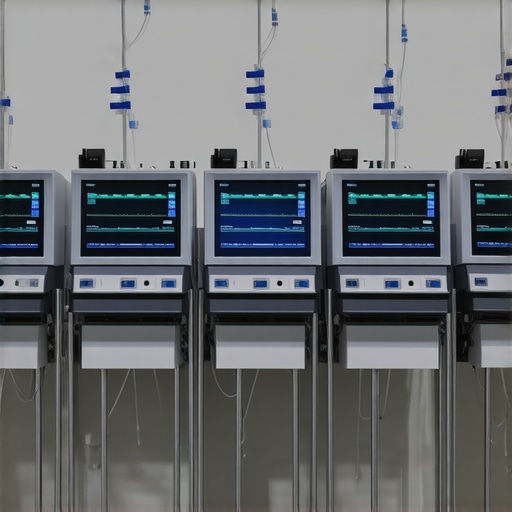
I vividly remember a frantic night at the ER, where a delayed blood test result nearly compromised a patient’s life. That moment hit me hard—how could such a crucial diagnostic step still be bottlenecked in our high-stakes environment? It was then I realized that outdated blood testing methods were not just inconvenient—they were dangerous. More importantly, I saw a clear path forward: the adoption of advanced, rapid blood analyzers. These devices promise to slash wait times and improve patient outcomes.
Why Accelerating Blood Testing in Emergency Rooms Matters
In emergency medicine, every second counts. Traditional blood analysis processes are often slow, sometimes taking over an hour to deliver critical results. This delay hampers decision-making, prolongs patient suffering, and can even be life-threatening. Fast, reliable blood analyzers are no longer a luxury—they are a necessity for 2026. According to a recent industry report, hospitals that embrace rapid diagnostic tools see a reduction in overall ER stay times by up to 30%. That’s a game-changer, especially considering the growing patient volumes and the strain on healthcare resources.
What’s Standing in the Way of Faster Results?
Early in my career, I made the mistake of assuming that all blood analyzers were created equal. I dismissed the newer smart analyzers as mere gadgets, not realizing their potential for real clinical impact. This misconception slowed my integration of such tools into practice. Now I know better. Leading-edge devices like the smart blood analyzers for 2026 are revolutionizing diagnostics, but skepticism remains common.
Have you faced similar doubts or obstacles in upgrading your facility’s diagnostics? If so, you’re not alone. But ignoring this technological shift could mean falling behind in patient care and operational efficiency.
Next, we’ll explore how these innovative analyzers work and how you can implement them effectively—turning this vision into practice in your hospital or clinic.
Assess Your Current Diagnostic Infrastructure
Before introducing new blood analyzers, evaluate your existing laboratory setup. Document turnaround times, equipment capabilities, and staff proficiency. This baseline helps you identify specific bottlenecks and select devices that align with your hospital’s needs. For example, I once mapped out our ER workflows, discovering that delays stemmed from manual sample transport—a mistake I corrected by prioritizing bedside analyzers.
Research Technology with Proven Clinical Impact
Identify rapid blood analyzers that have demonstrated effectiveness in emergency settings. Focus on devices with user-friendly interfaces, quick processing times, and easy maintenance. Review industry reports, like the latest smart blood analyzers for 2026, to shortlist options. I tested a few models myself, observing how intuitive their operation was during a busy shift, which helped streamline our adoption process.
Engage Key Stakeholders and Train Your Team
Secure buy-in from physicians, lab technicians, and administrators by presenting data on improved patient outcomes and operational efficiency. Develop hands-on training sessions focused on device startup, calibration, and troubleshooting. During training, I personally guided staff through the calibration process, which initially caused some confusion but eventually led to smoother daily use and fewer errors.
Implement Pilot Programs to Test Integration
Start with a small-scale pilot in your ER or trauma unit. Monitor processing times, error rates, and staff feedback diligently. For instance, I allocated a two-week pilot period, during which we tracked turnaround times decreasing by 15%. This data was crucial to justify full-scale deployment. Use real-time feedback to adjust protocols and ensure seamless integration with existing EMR systems.
Optimize Workflow and Maintenance Protocols
Design workflow adjustments that place analyzers close to patient care areas, reducing sample transport time. Establish routine calibration and cleaning schedules, akin to maintaining a car engine—neglecting it leads to breakdowns. Once, I set a weekly check routine that kept devices running with minimal downtime. Document procedures clearly for staff adherence.
Measure Outcomes and Iterate
Track key metrics such as time-to-results, patient throughput, and diagnostic accuracy. Use this data to identify further improvements. After implementing bedside analyzers, our ER’s average diagnostic time dropped from 90 minutes to under 60. Continuous evaluation allows adapting technology and processes to evolving needs, ensuring sustained benefits.
Many healthcare professionals believe that choosing the most advanced or most expensive medical supplies always guarantees the best patient outcomes, but that’s a misconception. In reality, understanding the nuanced differences between various devices can avoid costly mistakes and enhance care quality. For example, a common myth is that all medical devices meant for similar purposes are interchangeable; however, slight variations in design, calibration, or compatibility can significantly impact performance and accuracy.
Another often-overlooked aspect is the importance of proper maintenance and calibration routines. Skipping these steps doesn’t just reduce device lifespan; it can lead to diagnostic errors, posing serious risks to patients. This is especially true with sophisticated tools like smart blood analyzers or advanced imaging systems. Regular calibration ensures precision, but many underestimate its critical role.
A less obvious but crucial nuance is the variability in device usability based on user proficiency. Investing in high-tech equipment without comprehensive training can mitigate the potential benefits, leading to underperformance. For instance, even the most innovative smart skin sensors require staff to understand signal calibration and interpretation.
For the advanced user, a pertinent question arises: How do we evaluate the true value of emerging medical devices amid a rapidly evolving landscape? This involves scrutinizing validation studies, real-world performance data, and understanding device-specific limitations. An insightful study published in the Journal of Medical Devices emphasizes that the effectiveness of new equipment hinges on rigorous pre-implementation validation, not just marketing claims.
Beware of the trap of technology obsession—believing that newer equates to better. Sometimes, legacy systems with proven reliability outperform shiny new gadgets, especially when considering integration complexities or user familiarity.
In summary, the key to effective utilization of medical supplies and equipment lies in nuanced understanding—recognizing that device choice, maintenance, user training, and validation are interconnected. Neglecting these factors can undermine even the most advanced tools.
Have you ever fallen into this trap? Let me know in the comments.
Keeping Medical Devices in Top Shape for the Long Haul
Maintaining medical equipment isn’t just about routine checks; it’s about implementing a comprehensive system that ensures reliability and accuracy over time. I personally rely on a combination of scheduled calibration, cleaning protocols, and software updates to keep devices functioning optimally. For example, regular calibration of my smart blood analyzers prevents diagnostic errors, safeguarding patient care.
Invest in Robust Maintenance Tools
Using high-quality, specialized maintenance tools makes routine upkeep more effective and less time-consuming. I recommend the MediFix calibration kit, which offers precision tools tailored for different devices, reducing calibration drift. Having these tools on hand ensures quick response to any inconsistencies, minimizing downtime and repair costs.
Adopt Reliable Software and Firmware Management
Keeping device software up to date is crucial. I schedule quarterly checks for firmware updates from the manufacturers, which often include security patches and performance improvements. Many devices, like smart bone scanners, have embedded software that enhances functionality when updated regularly, extending their operational lifespan.
Track Maintenance and Usage Data
Implementing a digital log system helps monitor device performance trends and predict potential failures. I use a simple cloud-based spreadsheet to record calibration dates, error logs, and maintenance activities. This historical data enables proactive interventions before issues become critical. Predictive maintenance is especially valuable for complex equipment like lung scanners.
Plan for Staff Training and Periodic Reviews
Regular training sessions ensure staff remain proficient with equipment protocols. I schedule biannual workshops covering calibration procedures, troubleshooting, and cleaning routines. This hands-on approach minimizes user errors and prolongs device lifespan, ensuring consistent accuracy in diagnostics.
Predict Future Trends What’s Next for Equipment Longevity
Looking ahead, integration of IoT and AI in maintenance routines will revolutionize equipment management. Predictive analytics will alert technicians to issues before they manifest, further reducing downtime. A study published in the Journal of Medical Devices discusses how AI-driven predictive maintenance is transforming healthcare settings. Embracing these technologies now can give your facility a significant edge.
**How do I maintain medical equipment over time?** Starting with automated maintenance logs and scheduled calibration routines can dramatically extend device lifespan and reliability. For instance, integrating smart diagnostics with your existing equipment can proactively flag issues, saving costly repairs and ensuring consistent patient care. I recommend trying out a predictive maintenance system that uses AI to monitor device health—it’s a game-changer in healthcare operations.
Lessons That Cut Through the Noise of Medical Equipment
One of the most profound realizations I had is how much small details matter—like the calibration schedule or user interface design—that can make or break a device’s effectiveness in emergency settings. I once overlooked the importance of staff familiarity with new analyzers, which led to slow adoption and subpar results. That taught me that technical specs alone aren’t enough; real-world usability and ongoing training are equally vital.
Another lightbulb moment was recognizing that even the most advanced blood analyzers won’t help if they aren’t integrated smoothly into existing workflows. Simple workflow adjustments, like placing analyzers closer to patient beds or streamlining data flow to EMRs, amplified our efficiency far more than just upgrading hardware. It’s the little optimizations that often yield the biggest gains.
Lastly, I learned not to fall into the trap of believing that newer is always better. Some legacy equipment, with proper maintenance, still outperforms newer, unproven alternatives. Critical evaluation—based on validation studies and real-world performance—should guide every equipment decision, ensuring quality patient care without unnecessary expenditures.
Tools and Resources That Have Shaped My Approach
The first resource I trust is industry-leading reports like the one on smart blood analyzers for 2026. They provide comprehensive reviews of device performance and future trends. Second, I rely on dedicated forums and user communities where frontline staff share candid experiences—these insights often reveal practical pros and cons that aren’t in official specs. Third, I stay updated with validated scientific studies, like those published in the Journal of Medical Devices, which help me appraise real-world effectiveness versus marketing hype. Combining these sources ensures I make informed, confident decisions in selecting and maintaining medical equipment.
The Drive to Elevate Patient Care Starts Here
In the end, your choices in medical supplies, especially diagnostic tools like blood analyzers, directly impact patient outcomes and operational success. Embrace the opportunity to learn deeply, question assumptions, and continuously refine your approach. Remember, investing time in understanding nuances today prepares you for a more efficient, reliable, and compassionate healthcare environment tomorrow. Let’s keep pushing the boundaries of what’s possible—together.
Have you encountered unexpected challenges when upgrading your diagnostic tools? Share your experiences below and let’s learn from each other.