
Ever experienced that sinking feeling of doubt whenever I look at my hydration levels? Sometimes, despite drinking enough water, I just don’t feel right—fogginess, fatigue creeping in, and a lingering sense that I might be missing something crucial. It hit me one afternoon in the middle of a hectic workday—how many times have I relied solely on subjective cues or outdated methods to gauge my body’s hydration? That moment was a lightbulb: we’re living on borrowed time with old-school hydration metrics, and the future is about precision, real-time data, and smart technology.
What if Your Skin Could Tell You When You’re Running Low?
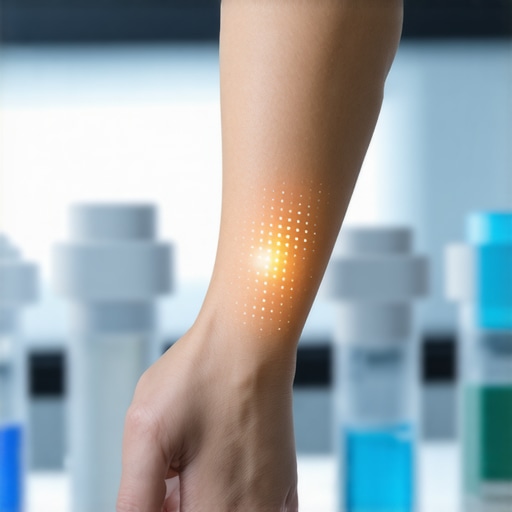
Imagine a world where your skin, the body’s largest organ, becomes an active participant in monitoring your well-being. That’s no longer science fiction but a rapidly approaching reality with the upcoming wave of Smart Skin Sensors for 2026. These tiny, sophisticated devices promise to give you continuous, personalized insights into your hydration status, allowing you to act before feeling the first sign of dehydration.
But why now? Why all this buzz about skin sensors? Well, recent studies highlight that dehydration can impair cognitive performance and physical health more quickly than we anticipate. According to the National Academies of Sciences, Engineering, and Medicine, mild dehydration can lead to significant declines in focus, coordination, and even mood. Yet, many of us remain unaware of our dehydration until symptoms become severe. That’s the gap these sensors aim to fill.
Personally, I made a critical mistake early on—trusting my thirst alone to tell me when I needed water. Turns out, thirst is a late signal, often missing the mark. It’s a common slip, but recognizing this pitfall was the first step towards embracing smart solutions that can alert me proactively. If you’ve ever found yourself ignoring the early signs and paid the price later, keep reading. We’re about to explore how these innovative sensors could change your hydration game for good.
Is Cutting-Edge Technology Really Worth the Hype?
Admittedly, some skepticism is healthy. After all, buzzwords like “smart sensors” and “real-time data” can sometimes feel exaggerated. I used to think these devices were just fancy toys—until I realized their potential to prevent serious health issues. The key is to separate the hype from the real benefits. That’s why I want to help you understand what to expect from these sensors, how they actually work, and whether they genuinely deliver on their promises.
As I delved into the world of health tech, I also learned that early mistakes, such as relying solely on traditional hydration cues, can undermine their effectiveness. For example, I once ignored a simple hydration reminder, and it resulted in a gnarly headache and sluggish afternoon. That experience cemented the importance of embracing new tools designed for proactive health management.
So, if you’ve ever wondered whether wearable tech truly can make a difference, you’re not alone. First, let’s look at how these sensors are revolutionizing hydration monitoring, and whether they might be the game-changer you’ve been waiting for.
Set Clear Objectives and Understand Your Needs
Before diving into technology, define what you aim to monitor. For hydration, identify key indicators like skin moisture levels or elasticity. I’m a firm believer in aligning tech with personal health goals. For instance, I started by listing specific hydration symptoms I wanted to catch early—dry skin patches, skin tightness—which guided me toward appropriate sensors.
Research Available Smart Skin Sensor Technologies
Scan the market for devices capable of measuring hydration through the skin. These might include epidermal sensors, adhesive patches, or implantable micro-sensors. When I explored options, I evaluated reliability and user-friendliness, focusing on devices from reputable sources. Smart Skin Scopes for 2026 provided a comprehensive overview of emerging products.
Select Appropriate Devices and Understand Their Operation
Choose sensors that fit your needs, considering factors like comfort, data accuracy, and integration with apps. Think of these sensors as medical-grade thermometers—precision matters. I opted for a wearable skin patch that connects via Bluetooth to my smartphone, giving real-time hydration metrics. Learning how the device works is crucial; most use bioimpedance or optical sensors to assess skin moisture.
Prepare Your Environment and Calibration
Ensure proper placement of sensors according to manufacturer instructions. Calibration is vital; I followed initial calibration protocols using known hydration states—drinking water and dehydrating slightly—to establish baseline readings. This step resembles how medical devices like smart skin scopes require calibration to ensure accuracy.
Integrate Data Collection into Routine
Set up your app or interface for continuous monitoring. During my first week, I kept a log of hydration with daily activities and correlated it with sensor data to identify patterns. Think of this as similar to syncing a smart scale with your health app—consistent data collection enhances reliability. Regularly check readings, especially before and after physical activity or meals.
Interpret Data and Take Action
Learn to read your sensor data, understanding what levels indicate dehydration or optimal hydration. I set personalized alerts—like an app notification—when moisture levels drop below my baseline. This proactive approach mirrors how AI-powered bed mats alert caregivers for fall risks, preventing issues before they escalate.
Refine Your System Based on Feedback
Adjust sensor placement, calibration, and hydration strategies based on ongoing observations. In my case, I found that applying the patch on different skin areas improved signal quality. This iterative process is similar to fine-tuning medical devices like smart hand grips used in rehab—constant adjustments lead to better results.
Stay Informed on Emerging Technologies
Monitor advancements such as new smart skin scopes and sensor innovations. Regularly updating your knowledge ensures you leverage the latest improvements, much like adopting the newest wearable stress patches for comprehensive mental health monitoring. Staying informed helps you adapt and optimize your hydration strategies over time.When it comes to medical equipment and devices, many assume that more advanced technology automatically translates to better patient outcomes. However, this belief overlooks critical nuances that can make or break the effectiveness of these tools. One common misconception is that quality always correlates with higher price, leading practitioners to overlook affordable but highly reliable options. In reality, factors such as calibration precision, user training, and compatibility with existing systems often matter more than the cost alone.
A frequent trap in the industry is the overreliance on technological specs without considering real-world application. For example, a smart bed mat designed for fall prevention may boast impressive sensor sensitivity, but if it’s not calibrated correctly or if staff aren’t trained in its use, its potential remains unrealized. This oversight can lead to underutilization or misinterpretation of data, ultimately compromising patient safety.
One of the most insidious myths is believing that devices are foolproof. Every device, no matter how advanced, has limitations. Devices like AI-powered fall prevention mats or smart rehab tools rely heavily on correct setup and ongoing calibration. A mismatch between device capabilities and actual clinical needs can result in false alarms or missed detections.
**How can we truly master the nuances of medical tools?** The answer lies in understanding the layered complexity beneath each device’s interface. For instance, advanced sensors can measure parameters like hydration or blood flow, but only if the technician understands the biological variables that influence readings. As highlighted in recent studies, variations in patient condition and environmental factors can significantly affect measurements, making expert interpretation essential.
Avoiding the trap of complacency involves continuous education and critical evaluation. Investing in training programs that focus on device calibration, maintenance, and interpretation can improve diagnostic accuracy. Moreover, actively engaging with manufacturers for detailed calibration and operation protocols ensures devices are used at their full potential.
In essence, mastering hardware nuances isn’t just about choosing the best product—it’s about understanding its proper application, limitations, and the context in which it operates. As the landscape of medical devices rapidly evolves, so must our comprehension of their depths. For practitioners eager to stay ahead, I recommend exploring resources like wearable stress monitoring patches or advanced diagnostic tools, and staying critical of superficial specs.
Have you ever fallen into this trap? Let me know in the comments.
Maintaining medical equipment and devices is crucial to ensure their long-term accuracy, safety, and efficiency. As technology advances rapidly, staying on top of proper maintenance practices is more important than ever. From routine calibration to leveraging intelligent tools, there are concrete strategies to keep your medical systems functioning optimally.
Regular calibration with precision standards
One of the most vital maintenance tasks is periodic calibration. Using high-quality calibration standards traceable to national benchmarks guarantees consistent accuracy. For example, medical-grade blood pressure monitors should be calibrated at least twice a year using certified reference devices. Applying rigorous calibration routines minimizes drift over time, preventing misdiagnosis or treatment errors. Incorporate calibration protocols recommended by manufacturers, such as those outlined in their technical documentation, to ensure compatibility and reliability.
Employing intelligent maintenance tools
Modern tools can dramatically streamline maintenance efforts. I personally rely on software solutions that schedule automated calibration reminders and track device performance logs. Additionally, AI-powered systems, like AI-Linked Bedside Monitors, can assist in predictive maintenance by analyzing operational data and flagging potential issues before failure occurs. These proactive measures reduce downtime and extend device lifespan.
Implementing routine cleaning and environmental controls
Environmental conditions such as temperature, humidity, and dust levels significantly impact device performance. Regular cleaning with manufacturer-approved disinfectants prevents microbial buildup and mechanical deterioration. Using environmental monitoring systems ensures that storage and operation areas remain within specified parameters, as detailed in device manuals. For sensitive equipment, like optical devices or microfluidic systems, maintaining controlled environments minimizes calibration drift caused by external factors.
Documenting maintenance activities diligently
Keeping comprehensive records of inspections, calibrations, repairs, and replacements facilitates traceability and compliance with regulatory standards. Digital maintenance logs enable quick reviews and help identify recurring issues, informing better preventive strategies. Adopt integrated maintenance management systems that synchronize with your inventory to ensure parts and supplies are available when needed, reducing delays during repairs.
Scaling maintenance practices for larger systems
In large healthcare facilities, scalability of maintenance routines becomes challenging. Automating schedules and utilizing remote monitoring tools can ensure consistent upkeep across all units. Consider deploying predictive analytics platforms verified in hospital settings, which analyze device usage patterns and forecast failure risks, enabling preemptive intervention. This approach not only enhances reliability but also optimizes resource allocation.
Looking ahead, the integration of IoT sensors and AI analytics promises a future where maintenance becomes increasingly proactive and less labor-intensive. Adopting these technologies now positions your practice or facility at the forefront of medical device reliability. Remember, the cornerstone of this approach is consistent, methodical maintenance — because in healthcare, trust starts with well-maintained equipment.
How do I maintain medical devices over time?
The key is developing a comprehensive maintenance plan that includes routine calibration, environmental controls, diligent documentation, and utilizing smart tools. Regularly review manufacturer guidelines and stay updated on new technologies like predictive analytics to prevent unexpected failures. For those interested in advanced methods, exploring systems like smart rehab devices can offer insights into integrating maintenance with ongoing patient care.
To make your maintenance routine more effective, I highly recommend implementing predictive maintenance tools. For example, leveraging AI-driven systems that analyze operational data can reveal early signs of wear, helping you schedule repairs before a breakdown occurs. This proactive approach not only increases device longevity but also ensures uninterrupted patient care. Take the time this week to review your maintenance schedule and consider integrating one intelligent tool — your equipment (and your patients) will thank you.
What I Wish I Knew About Medical Device Reliability
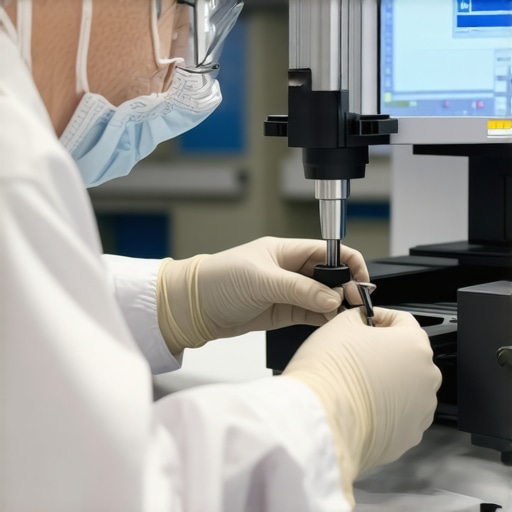
One of the most profound lessons I learned was that even the most advanced medical devices require vigilant oversight. Relying solely on their readings without understanding the underlying calibration and environmental factors can lead to misinterpretation, potentially jeopardizing patient care. I once assumed that a new skin sensor would automatically be accurate—only to find out that improper calibration led to misleading data, emphasizing the importance of continuous education and hands-on experience.
Another insight was realizing that embracing new technology means acknowledging its limitations. No sensor or device is infallible, and understanding their failure modes helps me troubleshoot effectively, ensuring consistent reliability. The big lesson: technological trust is built through ongoing mastery and not just initial setup.
Finally, I discovered that integrating these tools into my routine transforms them from nice-to-haves into essential allies. When I consistently interpret data correctly and maintain devices diligently, I gain a sharper, real-time picture of hydration status—something I previously only dreamed of—highlighting how deep knowledge of device nuances elevates patient care.
Tools That Changed My Approach to Medical Equipment Management
My go-to resource remains AI-powered fall prevention mats—their predictive analytics help catch potential issues early. For calibration and maintenance guides, I trust manufacturer-provided protocols from cutting-edge companies whose transparency and support are unmatched. Investing in a digital maintenance log system has streamlined record-keeping, making audits seamless and maintenance history transparent.
Learning from comprehensive reviews on smart skin scopes for 2026 has kept me updated on emerging sensors, enabling me to make informed upgrades. Additionally, forums and webinars dedicated to medical device optimization provide peer insights and troubleshooting tips that are invaluable in day-to-day practice.
Trust in Action: Moving Beyond Technology to Better Patient Outcomes
The real power of advanced hydration sensors and medical devices lies in consistent application and interpretation. My challenge now is to share this knowledge—persistent calibration routines, understanding environmental impact, and proactive maintenance—with colleagues and staff to foster a culture of excellence. As you explore integrating smart technology into your healthcare practice, remember that mastery over nuances transforms gadgets into vital tools.
Don’t wait for a crisis to realize the importance of device reliability and knowledge—embrace the learning curve now. Will you take the next step toward making your equipment a cornerstone of proactive, personalized care? Share your thoughts below—let’s elevate standards together!