
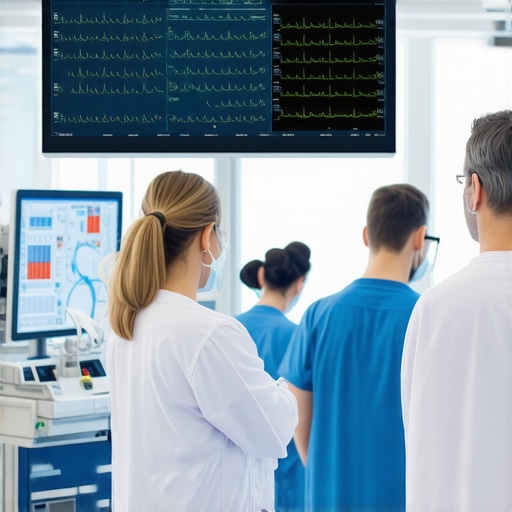
Last week, I found myself watching a nurse frantically trying to stabilize a tense patient, barely holding back tears. That moment hit me hard—how many lives could be saved if only we had better tools to monitor stress and fatigue in real-time? It wasn’t just a flicker of compassion; it was a wake-up call about the future of critical care.
Breaking the Stress Barrier in ICU Care
In my early days working in healthcare, I underestimated the chaos stress can cause—not just for patients but for medical teams too. We relied heavily on traditional vital signs, but what about the unseen, the under-the-radar tension that impacts outcomes? That’s where real-time stress monitors are changing the game, giving clinicians instant insights that can mean the difference between prompt action and tragedy. I’ve seen how these devices seamlessly integrate with existing systems, providing an extra layer of safety and precision. And with studies indicating that high stress levels can increase complications by up to 30%, it’s clear why this tech is becoming indispensable. Learn more about how smart sensors are revolutionizing triage.
Will This Technology Overwhelm or Truly Help?
Early on, I made the mistake of dismissing the importance of these monitors, thinking they were just fancy gadgets. But after witnessing a few close calls where stress levels went unnoticed, I realized I had underestimated their potential. Now, I recommend these tools wholeheartedly, knowing they are saving lives. Still, I wonder—are we rushing in too fast, or is this the critical upgrade our ICUs need? Stay with me, because in the next section, we’ll dive into what makes these monitors so essential and whether they truly live up to the hype.
Choose the Right Monitoring Technology
Start by evaluating available stress monitoring devices. Look for solutions that seamlessly integrate with existing hospital systems, offering real-time data without overwhelming staff. For example, the latest smart sensors can be easily connected to patient monitors, providing continuous stress level updates, much like how smart socks are used to detect foot ulcers [see smart socks in action].
Train Your Staff Effectively
Design targeted training sessions that focus on interpreting stress data and acting promptly. Use micro-story examples—like a time when I demonstrated how to read a new stress monitor’s output during a shift change—highlighting how rapid understanding prevented escalation. The key is to demystify the data so that nurses and physicians respond instinctively, akin to how advanced ultrasound tools improve rural diagnostics [mobile ultrasound implementation].
Integrate Data into Clinical Decision Making
Establish protocols that incorporate stress levels into existing workflows. For instance, if a patient’s stress exceeds a threshold, trigger alerts that prompt timely interventions, similar to how fall alarms using radar detect movement [radar-based fall alarms]. Such integration ensures that stress monitoring isn’t isolated but a core part of patient care.
Validate and Adjust the System
Continuously monitor the effectiveness of your stress detection system. Collect data on outcomes—like the reduction in adverse events—and refine thresholds as needed. Remember, initial efforts might be messy; I recall a time when the first alert system caused false alarms, but iterative calibration improved accuracy. Consider complementing stress data with other sensors, such as smart suture kits that prevent infections [smart sutures for infection prevention] to provide a holistic approach.
Maintain Ethical and Privacy Standards
Ensure patient data is protected with secure transmission and storage protocols. Clear communication about what data is collected and how it benefits care is essential. Just as hospitals opt for copper-infused surfaces for safety [copper-infused surfaces benefits], maintaining transparency fosters trust and compliance within your team.
When it comes to medical equipment and devices, many assume that more advanced technology automatically translates to better patient outcomes. However, this belief often overlooks critical nuances that can lead to costly mistakes. One common myth is that newer always equals superior; in reality, an over-reliance on the latest gadgets without thorough validation can introduce unforeseen risks. For example, innovative smart sensors are heralded as the future of monitoring, but without careful integration and staff training, they may generate false alarms, leading to alert fatigue and missed critical events. Conducting rigorous validation studies and understanding device limitations are essential steps that many overlook, potentially compromising patient safety.
Why simplistic assumptions about technology compatibility can backfire
Too often, healthcare providers assume that any new device will integrate seamlessly with existing systems. This oversimplification ignores subtle compatibility issues, such as data format mismatches or network security vulnerabilities, which can delay implementation or expose sensitive data. For instance, a hospital adopting new smart suture kits may face data silos if the device isn’t compatible with their electronic health record system, hampering real-time infection tracking. Studies show that integrations lacking standardization exacerbate workflow disruptions, ultimately reducing the anticipated benefits of new technologies. To avoid this trap, it’s crucial to assess device compatibility comprehensively before procurement and involve IT experts early in the process. You can explore ways to enhance infection control with smarter devices by visiting https://medicaldeviceinsight.com/how-2026s-smart-suture-kits-stop-infections.
Moreover, many practitioners underestimate the importance of ongoing calibration and maintenance. A device calibrated improperly can produce misleading readings, impacting clinical decisions. Regular validation protocols are often neglected due to busy schedules, but these are vital for ensuring accuracy over time. Neglecting this step can inadvertently lead to misdiagnoses or delayed treatments. Implementing routine quality checks and establishing clear maintenance protocols can mitigate this risk, ensuring that devices function as intended and maintain their clinical value.
Finally, the assumption that technology alone can solve complex clinical challenges is false. Devices are tools meant to assist, not replace, clinical judgment. Overdependence can cause practitioners to overlook fundamental patient assessments. Therefore, staff training should emphasize critical thinking alongside device operation. As an example, advanced urine analyzers are powerful, yet their readings should be considered within the broader clinical context to prevent misinterpretation. Reliable health outcomes depend on harmonious human-technology collaboration, not just cutting-edge gadgets.
In summary, advancing medical technology necessitates a nuanced approach that considers compatibility, calibration, and clinical integration. Making assumptions based on hype rather than evidence can lead to pitfalls that compromise safety and efficiency. Staying vigilant, investing in staff training, and conducting thorough validation are your best defenses against these hidden traps. Have you ever fallen into this trap? Let me know in the comments.
Keep Your Equipment in Peak Condition with Proven Strategies
Ensuring the consistent performance of medical devices is critical for patient safety and operational efficiency. My personal approach centers around implementing a rigorous maintenance schedule, utilizing specific tools, and embracing smart technology solutions. Regular calibration of devices such as smart sutures and urine analyzers not only extends their lifespan but also ensures accuracy, which is vital in clinical decision-making. For example, I rely on manufacturer-recommended calibration kits and periodic validation protocols outlined in this resource to keep equipment dependable over time.
How do I maintain medical devices over the long haul?
Personally, I prioritize using dedicated diagnostic software that tracks device performance trends—this proactive approach helps me identify potential issues before they escalate. Tools like IoT-enabled sensors connected to centralized maintenance platforms provide real-time alerts on device health, reducing unexpected breakdowns. For instance, integrating smart bio-waste bags automation with maintenance schedules can prevent costly lab disposal mishaps, ensuring compliance and safety. Regular staff training on device handling further minimizes wear and tear, which I’ve found to be a cost-effective and efficient practice.
Tools I Recommend for Reliable Operation
One of my go-to tools is a high-quality ultrasound gel warmer with precise temperature control—consistent warming prevents air bubbles and improves image clarity during remote diagnostics, especially in rural settings. Additionally, investing in multi-device calibrators, such as those designed for thermometers and pulse oximeters, streamlines maintenance and verifies accuracy quickly. For ongoing cleaning and sterilization, I trust ultrasonic cleaning machines equipped with specialized solutions, ensuring components like surgical instruments and sensors remain uncontaminated without damaging delicate parts.
The Future of Equipment Maintenance in Healthcare
Looking ahead, I believe that AI-powered predictive maintenance will revolutionize how we care for our devices. Manufacturers are increasingly integrating AI algorithms that analyze sensor data to predict failures before they occur, minimizing downtime and reducing costs. Embracing these trends now will prepare your facility for seamless operations into 2026 and beyond. Implementing a comprehensive asset management system that combines IoT, AI, and cloud analytics can be transformative, as shown in recent case studies on smart hospital innovations.
Questions to Ensure Equipment Longevity
How often do you verify the calibration of your critical devices? Establishing a routine schedule based on device usage and manufacturer recommendations is vital. Remember, even minor calibration drifts can lead to misdiagnosis or treatment delays. For example, integrating calibration checks into your daily briefings ensures ongoing accuracy, helping to maintain compliance with healthcare standards.
Don’t underestimate the importance of investing in reliable tools and supportive systems. Start integrating automated alerts and validation protocols today, and you’ll see your medical equipment perform at its best for years to come. For example, exploring how smart sensors like those used to track shoulder movement (see smart slings in action) can be part of your maintenance plan could be a game-changer.

Through my journey in healthcare, I’ve discovered that the most impactful advancements often stem from priceless lessons learned in the trenches. One such revelation is that understanding the unseen currents of stress within our clinical environments can be the key to saving lives more effectively.
Lessons That Reshaped My Perspective on Medical Devices
- Assumptions Can Be Dangerous: I once believed that new technology would seamlessly integrate into existing workflows. Experience taught me that without proper validation and staff training, even the most innovative devices can become sources of frustration and risk. A device that isn’t properly calibrated or understood can lead to misinterpretations, jeopardizing patient safety.
- Balance Between Innovation and Caution: Rushing to adopt the latest tech without comprehensive testing can overwhelm staff and cause alert fatigue. Embracing a measured approach—piloting devices, gathering feedback, and refining protocols—is essential to truly harness their potential and avoid unintended harm.
- The Human Element Remains Paramount: No matter how advanced our tools become, clinical judgment and empathy are irreplaceable. Devices should augment, not replace, the instinctual decision-making that seasoned healthcare professionals possess.
- Data Is Only Valuable When Actionable: Collecting stress levels is pointless if it doesn’t translate into timely interventions. Establishing clear protocols ensures that stress monitoring leads to concrete actions, ultimately improving patient outcomes.
My Go-To Resources for Enhancing Critical Care
- Smart temperature sensors in triage: Understanding how these sensors can prioritize care and reduce wait times has profoundly influenced my approach to emergency protocols.
- Smart suture kits: These innovative tools are vital in infection prevention, a cornerstone in patient safety that I recommend exploring thoroughly.
- Smart waste management systems: Effective waste disposal not only safeguards the environment but also minimizes contamination risks, crucial in any critical setting.
- AI-powered assistive devices: Embracing AI in mobility and rehabilitation accelerates recovery, empowering both providers and patients.
Your Next Chapter Begins Here
Implementing real-time stress monitoring isn’t just a technological upgrade; it’s a paradigm shift toward more compassionate, precise, and proactive critical care. Embrace these insights, stay curious, and lead the way for safer patient experiences. Remember, every small step toward better monitoring and validation brings us closer to saving more lives. Are you ready to challenge traditional boundaries and explore the unseen depths of patient care? Join the conversation below—I’d love to hear your experiences and questions about integrating stress monitoring into your practice.
Reading this post really resonated with me, especially the emphasis on integrating stress monitors to improve ICU outcomes. Early in my career, I worked in an ICU where the chaotic environment often meant that staff unintentionally overlooked signs of rising stress levels among patients and nurses alike. Implementing real-time stress monitoring could have been a game-changer, offering that crucial additional layer of insight that helps prevent critical incidents. I’ve seen firsthand how stress can subtly impact decision-making and patient safety, yet it remains an often unseen factor.
One challenge I’ve wondered about is how to ensure that staff interpret these stress signals accurately without feeling overwhelmed by data. Do you have suggestions or protocols that help in translating stress levels into actionable steps effectively? Also, what strategies would you recommend for integrating these systems into high-pressure environments without adding to the cognitive load? I believe that with proper protocols and training, stress monitors could truly be a vital part of a holistic approach to critical care, but balancing technology with workflow remains an important consideration.
This post offers an important perspective on leveraging real-time stress monitors to enhance ICU safety. Having worked in a busy critical care environment myself, I can attest to how subtle signs of stress often go unnoticed, especially during high patient volume periods. Integrating stress monitoring technology could be transformative, not just for patient outcomes but also for staff well-being. When stress levels are identified early, interventions can be more timely, potentially preventing escalation. I’ve seen instances where morale and decision-making improve simply because team members feel more supported through these data insights.
However, I wonder about the practical application—specifically, how do we ensure that clinicians trust and properly interpret these stress signals? Training seems crucial, but is there a risk of over-reliance on these devices, possibly leading to complacency? How have you seen institutions strike the right balance in workflow integration so that stress monitoring complements clinical judgment rather than replaces it? It seems like a promising tool, but careful implementation and ongoing calibration would be key to making it truly effective.