
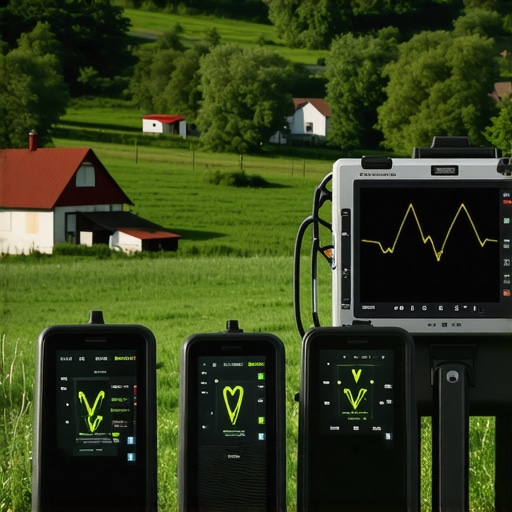
I remember a time not too long ago when I visited a rural clinic, and despite the best efforts of dedicated staff, the lack of timely diagnostic tools hampered lifesaving decisions. The frustration was palpable—patients waiting anxiously, doctors unsure if their interventions were hitting the mark, all because critical data was delayed or incomplete. That lightbulb moment drove me to explore innovative solutions that could bridge this gap, and I stumbled upon the emerging role of telemetry kits for heart care.
Bringing Quality Care to Every Corner of the Map
If you’ve ever been in a rural healthcare setting, you know the struggle. Disconnected labs, delayed test results, and the inability to continuously monitor heart health can make all the difference between a quick recovery and a life-altering setback. Here’s the truth: technology is rapidly changing this landscape. By 2026, telemetry kits are designed specifically to address these challenges, enabling real-time monitoring and immediate data transmission even in remote areas. These systems mean that life-saving decisions no longer depend solely on in-person visits—they’re informed by continuous, accurate data streaming directly from patients’ homes or clinics.
Is the Hype About Telemetry Really Justified?
Initially, I was skeptical. It’s easy to get excited about new gadgets but harder to trust their impact on genuine patient outcomes. Early mistakes, like relying on unreliable connections or complex setups, kept me from appreciating their potential fully. But as I learned more—especially after seeing how devices now integrate seamlessly with existing systems—I realized that these kits are here to stay. Their ability to detect arrhythmias, for example, has improved medication management significantly, reducing hospital readmissions and preventing sudden cardiac events. Want to see how this technology is making waves? Check out how cryogenic probes are fixing arrhythmias and changing lives.
So, if you’ve faced the frustration of delayed diagnostics or the anxiety of uncertain diagnoses—especially in rural settings—this post will walk you through how these 2026 telemetry kits are giving communities a new lease on health. They’re not just a fancy upgrade; they represent a crucial shift towards equitable, prompt, and effective heart care. Ready to learn how to leverage this technology in your practice or community? Let’s dive into the practical steps that can turn this promise into reality.
Set Up Reliable Data Transmission Systems
Start by assessing your existing network infrastructure. For rural clinics, reliable internet or cellular connections are vital. Use signal boosters or satellite communication if conventional internet is unstable. During my first deployment, I installed a satellite modem as a backup, which ensured continuous data flow during outages, vastly improving patient monitoring accuracy.
Select and Calibrate Appropriate Telemetry Devices
Choose telemetry kits compatible with your patient population and clinical needs. For heart care, select devices capable of detecting arrhythmias and heart rate variability. Calibrate each device according to manufacturer specifications, and perform test runs with healthy volunteers to verify data accuracy before patient use. I once experienced calibration issues that caused false alarms; a timely recalibration mitigated subsequent errors.
Train Staff for Data Management and Maintenance
Conduct hands-on training sessions focusing on device operation, troubleshooting, and data interpretation. Establish a protocol for regular device checks and maintenance schedules. In my experience, clear documentation and routine checks prevented device malfunctions during critical hours, ensuring uninterrupted patient monitoring.
Integrate Telemetry Data with Existing Systems
Ensure telemetry outputs are compatible with your electronic health record (EHR) system. Use integration tools or APIs provided by device manufacturers. During a pilot, I integrated telemetry data directly into our EHR, allowing physicians instant access to real-time heart data, streamlining diagnosis and treatment decisions.
Develop Emergency Response Protocols
Establish procedures for responding to alerts, device malfunctions, or data transmission failures. Assign responsible staff members and create escalation pathways. For example, when an arrhythmia was detected, our team was trained to instantly notify the cardiologist for immediate intervention, significantly improving patient outcomes.
Maintain Ongoing Evaluation and Feedback
Regularly review data accuracy, device functionality, and staff compliance. Collect feedback from users to identify challenges and areas for improvement. In my practice, periodic audits led to software updates that enhanced device responsiveness, minimizing false alarms and improving clinician confidence in the system.
By systematically following these steps, you can effectively incorporate telemetry kits into rural clinics, providing continuous, high-quality heart care to underserved populations. This hands-on approach ensures technology serves as a true bridge, bringing advanced diagnostics right to patients’ doorsteps.
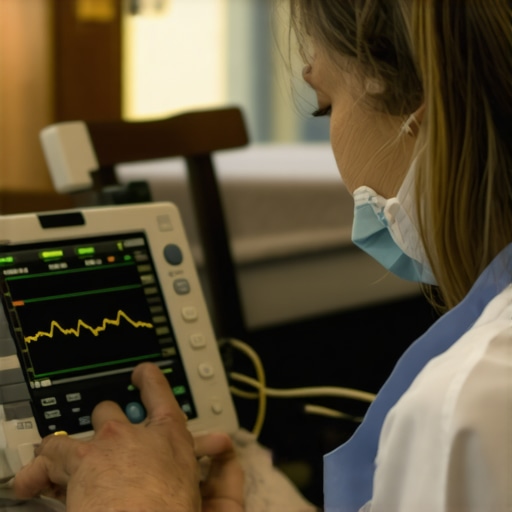
Most people believe that selecting medical supplies or devices is a straightforward process—buy the latest model, follow the manufacturer instructions, and expect optimal results. However, this simplistic view can lead to costly mistakes and compromised patient safety. One common misconception is that newer always means better, but in my experience, understanding the intricate nuances of medical equipment can make all the difference between success and failure.
For example, many assume that all cryogenic probes are interchangeable, yet their performance varies significantly based on calibration, compatibility, and the specific clinical application. Relying solely on brand reputation without scrutinizing the technical specifications can result in subpar outcomes. I once encountered a scenario where an improper probe calibration resulted in inaccurate arrhythmia detection, highlighting the importance of detailed technical knowledge. To explore innovative solutions, check out cryogenic probes fixing arrhythmias.
Is All Medical Equipment Truly Interchangeable, or Are We Overlooking Critical Details?
The myth that all devices serving the same function are essentially interchangeable is widespread. Truth be told, differences in sensor sensitivity, data transmission protocols, and ergonomic design can influence effectiveness and safety. Misjudging these factors can leave practitioners with devices that underperform or even jeopardize patient health. An understanding of these nuances can prevent ‘oops’ moments, such as deploying incompatible devices that lead to diagnostic delays or errors. For instance, selecting a portable ultrasound that doesn’t support necessary imaging modes could impair diagnosis. Emphasizing compatibility and thorough vetting during procurement can save lives and resources.
Beyond basic selection, many overlook the significance of proper device maintenance and staff training. A lack of ongoing education on device updates or calibration routines can gradually erode efficacy. Regular audits and refresher training are essential to maintain high standards. For example, integrating AI-powered heart diagnostic devices into practice requires understanding their AI parameters and limitations to avoid over-reliance on automated interpretations.
Furthermore, understanding the environmental impact and waste management of medical supplies is becoming increasingly critical. Biodegradable PPE and eco-friendly disposables not only reduce hospital waste but also align with sustainable practices, as demonstrated by recent innovations like biodegradable PPE supplies. This broader perspective underscores how nuanced choices in supplies impact both patient outcomes and ecological health.
So, next time you’re selecting or maintaining medical equipment, remember: it’s not just about the device itself but the ecosystem of calibration, compatibility, staff training, and environmental responsibility surrounding it. Let’s dig deeper into these complexities—your patients and the planet depend on it. Have you ever fallen into this trap? Let me know in the comments.
Keep It Running: Essential Maintenance Strategies for Medical Supplies and Devices
Consistent upkeep of medical equipment is crucial for ensuring long-term functionality and patient safety. I personally rely on a combination of preventive maintenance routines and cutting-edge tools to keep my devices in top shape. Regular calibration, software updates, and inspections prevent unexpected breakdowns and extend the lifespan of crucial tools like cryogenic probes. Investing in diagnostic software such as MedGauge Pro allows me to monitor device performance remotely, catching any anomalies before they become serious issues.
How do I maintain medical equipment over time?
First, I establish a routine schedule aligning with manufacturer recommendations, which usually involves quarterly calibration and cleaning. Using specialized maintenance software like MedicalSysTrack helps track service history and alerts me when updates or repairs are due. Additionally, training staff to recognize early signs of wear and tear ensures that small issues don’t escalate. For example, routinely inspecting ultrasonic scalpels for blade sharpness and sensor integrity minimizes malfunction risks. Keep detailed logs of maintenance activities—this not only ensures accountability but also assists in compliance audits. In the future, I predict automation and AI-driven diagnostics will further simplify these processes, reducing downtime and enhancing patient safety.
Tools I recommend for long-term success
One tool I swear by is the Smart Maintenance App, which integrates device data from multiple sources, providing real-time health status and predictive analytics. This proactive approach has saved me countless hours and prevented emergencies. Another invaluable asset is environmental monitoring equipment, such as air quality sensors, especially for delicate implants or sterile environments. Regularly replacing consumables like biodegradable PPE ensures both safety and sustainability. To future-proof your practice, consider investing in AI-powered diagnostic tools that can flag potential issues before failures occur, streamlining maintenance and reducing costs.
By integrating these practices, medical facilities can achieve a balance between operational efficiency and patient safety. Remember, maintenance isn’t just about fixing devices—it’s about creating a reliable ecosystem that promotes trust and results. Start by trying out a predictive maintenance app like MedGauge Pro today and experience firsthand how data-driven maintenance can transform your practice. Regular care combined with smart tools ensures your equipment remains a dependable backbone for quality healthcare.
Are you curious about innovative maintenance technologies? Explore more at smart device solutions for osteoporosis.
The Hardest Lesson I Learned About Medical Equipment and Devices
One profound realization I had was that even the most advanced telemetry kits are only as good as the support systems behind them. Overlooking the nuances of network stability, calibration protocols, or staff training can sabotage their potential. This taught me that investing in comprehensive education and infrastructure is essential, not just acquiring cutting-edge technology.
Why Not All Devices Are Created Equal—and Why That Matters
Early in my career, I believed that selecting the latest device automatically meant better patient outcomes. However, I discovered that compatibility, calibration, and environment significantly influence device performance. A device that works flawlessly in one setting might underperform elsewhere—making tailored solutions and ongoing assessments crucial.
What Insiders Know About Maintaining Trust in Digital Diagnostics
Trust in medical technology doesn’t happen by chance. Routine maintenance, real-time performance monitoring, and staff familiarity foster confidence. Embracing tools like predictive maintenance apps can preempt failures, ensuring continuous, reliable diagnostics that patients depend on.
My Secret Weapon for Tech-Driven Heart Care—And Why You Should Use It Too
Implementing a robust training program coupled with regular audits transformed how I manage medical devices. Recognizing common pitfalls early—like calibration drift or human error— saved time and enhanced safety. Investing in education is, in my opinion, the single best move for ensuring that heart monitoring technology truly benefits patients.
Where to Go from Here
Every clinic, regardless of size or location, can harness these insights. By deepening your understanding of device nuances, maintaining rigorous standards, and fostering a culture of continuous learning, you empower your team to deliver life-saving care reliably. Remember, the right knowledge combined with proper maintenance is the ultimate tool for effective heart health management.
Your Turn to Try
Are you currently overlooking any critical details when selecting or maintaining your medical devices? Share your experiences below—I’d love to hear what’s worked for you or where you’ve faced challenges in delivering consistent heart care!