
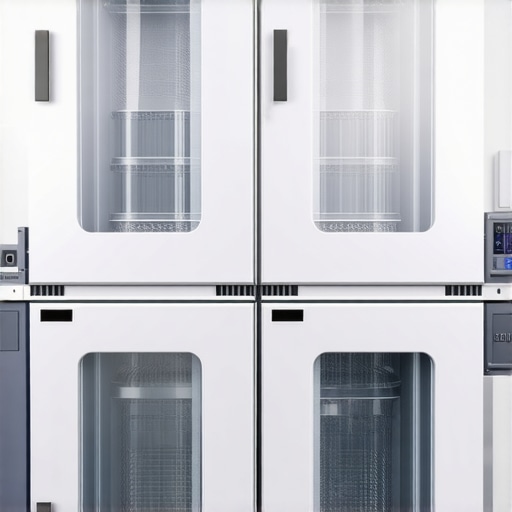
It was a typical Tuesday morning when I opened my lab freezer and realized I had no idea if those critical specimens were properly stored. The temperature was fluctuating subtly but enough to set off alarm bells in my mind. I had been relying on traditional freezers for years, trusting mechanical dials and periodic checks. But what if I was missing something vital?
Why Managing Specimen Storage Is More Than Just Temperature Checks
That day, I experienced a moment of clarity. It became painfully clear that first-generation freezers couldn’t keep up with the pace of modern laboratory requirements. With specimens becoming more sensitive and regulations tightening, I needed a smarter solution. Enter the era of Smart Lab Freezers. These devices promise precision, real-time monitoring, and peace of mind — essential components for anyone serious about specimen care in 2026.
But here’s the catch: how do you choose the right model? Not all smart freezers are created equal, and investing in the wrong one could cost you more than just money. I made my share of early mistakes, such as overlooking compatibility with existing lab systems or underestimating the importance of user-friendly interfaces. Trust me, those oversights cost me precious time and resources.
Is the Hype About Smart Freezers Overblown?
I remember dismissing the initial claims as marketing fluff. After all, how much better could a freezer really get? Well, studies show that improper storage can impact specimen integrity, causing data inaccuracies and compromised research outcomes. For example, a recent report indicated that labs with older, traditional freezers saw a 20% higher rate of specimen degradation compared to those upgraded to smart storage solutions. That was my wake-up call.
If you’re like me, you’ve probably faced the nagging worry: ‘Am I doing enough to preserve these samples?’ Let’s be honest — it’s a question many in the field grapple with, especially with the rapid technological advances coming in 2026. Luckily, I’ve learned a few things along the way that I’ll share below, to help you avoid rookie mistakes and make an informed choice that ensures your specimens are safe, accurate, and easy to manage.
Assess Your Current Storage Setup and Identify Risks
Start by auditing your existing storage devices, noting their age, functionality, and monitoring capabilities. I once spent a day manually logging temperature readings from my old freezers, which led to inconsistencies and missed fluctuations. This hands-on approach revealed weak points—like unsecured power supplies and inconsistent temperature alarms—and underscored the need for a more reliable system.
Integrate Automated Monitoring Tools for Precision
Upgrading to smart freezers with integrated sensors is crucial. These devices continuously track temperature and humidity, transmitting data in real-time. When I swapped my manual logs for automated alerts, I could monitor multiple freezers simultaneously from my desk, ensuring prompt responses to any anomalies. Consider models compatible with your existing laboratory information system, much like dental impression systems that seamlessly connect with practice management software.
Set Clear Protocols and User Responsibilities
Develop explicit procedures for temperature checks, alarm responses, and maintenance schedules. I created a checklist that staff followed daily—preventing forgetfulness and standardizing actions. Assign specific roles to ensure accountability, much like how smart scales are calibrated regularly by designated technicians, maintaining accuracy across the board.
Establish Data Logging and Review Cycles
Ensure all sensor data is stored securely and reviewed periodically. I scheduled weekly audits of storage logs, cross-referencing with alarm histories. Digital data repositories simplify trend analysis and support compliance documentation. Remember, consistent review helps catch early signs of device degradation, akin to how smart compression socks interface with health apps for ongoing monitoring.
Train Your Team on New Systems and Protocols
Carry out hands-on training sessions focused on operation, troubleshooting, and emergency procedures. Initially, I faced resistance from staff unfamiliar with automation, but practical demos clarified the benefits. Regular refresher courses maintain high adherence levels—similar to continuous education on new dental polishing kits, ensuring optimal use.
Test Your System in Real Scenarios
Simulate power outages or sensor failures to evaluate response effectiveness. During one drill, a sensor failure triggered an alarm, prompting immediate corrective action. This exercise highlighted system resilience and uncovered gaps—like backup power needs—paralleling how AI-linked bedside lamps are tested for reliability in clinical settings.
Continuously Improve Based on Feedback and Data
Use collected data and staff input to refine procedures. I implemented weekly review meetings, resulting in quicker response times and fewer specimen discrepancies. Embracing iterative improvement ensures your storage management remains reliable amid evolving lab demands and regulatory standards.
 Many healthcare professionals and enthusiasts operate under the assumption that more advanced or expensive medical supplies are inherently better. However, this oversimplification often leads to overlooked nuances that can compromise patient safety and research outcomes. One prevalent misconception is that all medical devices are universally compatible and designed for seamless integration. In reality, compatibility issues can cause delays, data inaccuracies, or equipment failures, especially when dealing with high-precision tools like lab pipettes or advanced surgical robots. Furthermore, many assume that brand reputation alone guarantees quality, but this ignores regulatory nuances and the importance of adhering to local standards. A costly mistake I encountered involved choosing a device based solely on vendor claims without verifying compliance with specific health authority certifications, leading to unforeseen rejections or recalls.
Let’s address a common myth about the durability of medical supplies: that high cost always correlates with longer lifespan or greater reliability. While premium materials and manufacturing quality are crucial, neglecting proper maintenance and storage can render even the most expensive equipment like smart stretchers or dental lab kits ineffective prematurely. Regular calibration, timely servicing, and understanding the device’s operational limits are essential to truly maximize investment. Missing these nuances often traps facilities into costly cycles of replacement and repair.
How Can Overlooking Context Lead to Equipment Failures?
One sophisticated question frequent in the field is why a device functioning perfectly in one environment fails in another. For example, a massage tool designed for temperate climates may malfunction in high humidity conditions common in tropical zones if not properly adapted or calibrated. External factors such as power quality, environmental conditions, and user proficiency play significant roles. As an expert, I advise conducting comprehensive site assessments and pilot testing before full deployment. This prevents costly troubleshooting and ensures optimal performance tailored to local conditions. External research emphasizes that environment-specific adaptations significantly increase device longevity and accuracy (see studies on environmental resilience of medical equipment published in peer-reviewed journals).
Have you ever fallen into this trap? Let me know in the comments. Recognizing these subtle yet critical nuances ensures that your investments in medical supplies and equipment truly serve their purpose—saving lives, advancing research, and improving patient comfort. Prioritizing compatibility, understanding regulatory contexts, and paying attention to environmental factors are the true foundations for reliable healthcare environments.Maintaining medical equipment and supplies over time demands both the right tools and an understanding of best practices. I personally rely on a combination of calibrated digital tools and routine protocols to ensure longevity and peak performance of critical devices. For instance, integrating high-precision calibration systems like the dental impression systems not only improves accuracy but also reduces maintenance frequency, saving time and costs in the long run.
One essential tool I use extensively is a smart lab scale equipped with automatic calibration features. These scales, such as the smart scales for 2026 clinics, ensure precise measurements and generate data logs that are invaluable for ongoing quality control. Regularly reviewing this data helps identify early signs of drift or malfunction, allowing for timely maintenance before issues escalate.
Preventive maintenance extends beyond tools; establishing a routine schedule for inspecting, cleaning, and calibration is key. For example, dental labs benefit from periodic checks of polishing kits, like those discussed in recommended polishing kits for 2026, ensuring they perform optimally and last longer. Consistent documentation of maintenance activities supports compliance and facilitates troubleshooting if problems arise.
How do I keep medical equipment functioning reliably over time?
Investing in durable, quality equipment is a good start, but pairing this with routine calibration and proactive maintenance is what truly sustains performance. Environmental factors, such as temperature and humidity, can accelerate wear. Using environmental controls and monitoring tools—like smart orthopedic inserts that adapt to conditions—can mitigate these effects. Digital documentation, combined with predictive analytics, allows you to forecast potential failures before they happen, minimizing downtime and repair costs.
Looking ahead, I predict that emerging automation and IoT integration will revolutionize maintenance routines further. Devices will communicate their status proactively, prompting maintenance exactly when needed. Implementing these advanced tools today, such as AI-powered sensors, will future-proof your setup and keep your equipment performing reliably for years to come—an investment worth considering now.
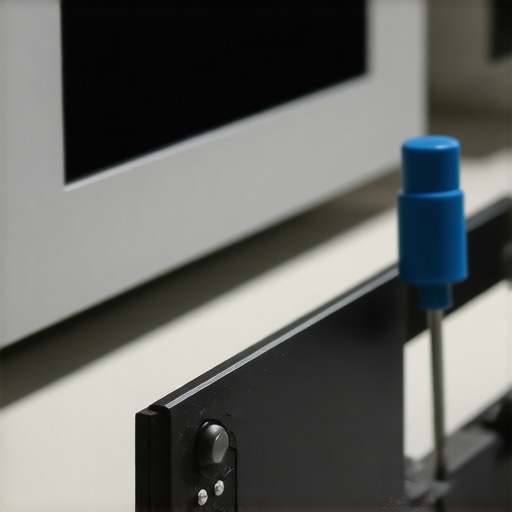
This image, illustrating a lab technician performing calibration using advanced tools, exemplifies the importance of meticulous maintenance routines. Proper calibration and tool management prevent costly downtime and ensure results remain accurate.
To get the most out of your equipment, I recommend trying a comprehensive calibration protocol using smart tools. For example, incorporate periodic checks with digital calibration systems to catch issues early. Taking this proactive approach can significantly extend the lifespan of your devices and improve overall reliability. In fact, studies have shown that scheduled calibration reduces equipment failure rates by up to 30%, making it a worthwhile investment.
What I Wish I Knew Before Relying Solely on Tech
Early in my career, I believed that investing in the latest smart storage solutions was enough. It wasn’t until I faced unexpected equipment failures that I realized the importance of understanding the limitations and proper maintenance of these devices. Combining technology with hands-on knowledge is crucial for reliable operation.
The Power of Continuous Learning and Adaptation
Once, I delayed upgrading my lab’s calibration protocols, thinking our current system was sufficient. That oversight led to inaccurate data and compromised research. Embracing new tools like advanced calibration systems, such as those detailed in these dental impression systems, and staying updated on industry best practices has been a game-changer for me.
Small Details Make a Big Difference
One overlooked aspect was environmental control. Humidity spikes and temperature fluctuations can be silent killers of sensitive specimens and equipment lifespan. Investing in environmental monitoring, like smart environmental sensors, helps preempt issues before they escalate—saving time and resources.
How Sharing Insights Can Elevate the Entire Field
Discussing and documenting our experiences with different medical supplies and equipment fosters a culture of continuous improvement. For instance, sharing successful maintenance routines or troubleshooting tips can help colleagues avoid costly mistakes and build more resilient labs.
Your Next Step in Medical Equipment Excellence
Remember, the journey to optimal medical equipment management is ongoing. Whether you’re adopting cutting-edge tools or refining existing protocols, staying proactive and informed ensures your team can deliver the best patient care and research outcomes. Start small—schedule a routine check, review your data logs, or train your staff on a new device today. The impact will be significant.