
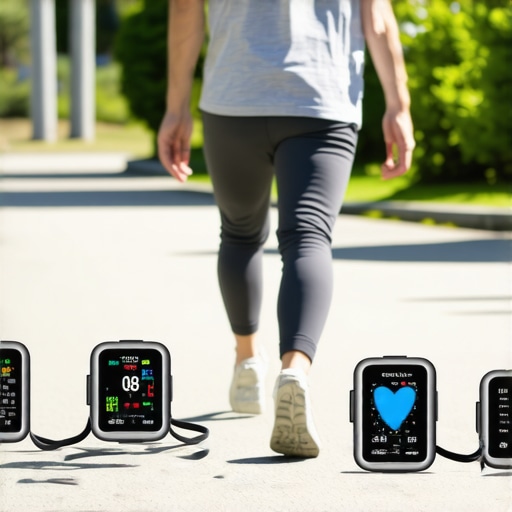
Imagine this: You’re out for a leisurely stroll, enjoying the fresh air, when suddenly, your wrist buzzes. Your blood pressure has spiked again. It’s frustrating, nerve-wracking, and honestly, a little scary. I’ve been there—watching my readings climb during everyday moments, feeling powerless because traditional cuff-based monitors just don’t fit into an active lifestyle.
Real Life, Real Problems with Conventional BP Monitors
For years, I relied on bulky, cuff-based blood pressure monitors. They’re accurate, sure, but that accuracy comes with a catch—they’re awkward to use, especially when I’m moving around. Trying to check my pressure during a walk? Yeah, that’s a recipe for inconsistent readings and false alarms. Plus, stopping to measure every time I felt anxious just made me more tense, fueling a vicious cycle.
What I really wanted was a device that could keep tabs on my blood pressure while I was engaged in my daily activities—walking, climbing stairs, even light jogging. And, honestly, I wasn’t alone in this wish. Many folks with hypertension face this exact dilemma, feeling tethered to their home or office devices, missing out on the freedom of movement.
Then, I discovered the advent of wearable blood pressure monitors designed specifically to work during movement. These gadgets can continually track your BP without interrupting your day and, surprisingly, have become reliable enough to spot trends and potential issues in real-time.
Why This Matters More Than Ever
According to recent studies, nearly 1.3 billion people worldwide suffer from hypertension, yet only a fraction have their condition well-managed. The problem isn’t just access to medicine, but also consistent monitoring. Automating this process—making it seamless and stress-free—can seriously improve health outcomes.
Furthermore, wearable BP monitors grant us our much-needed independence. No more waiting for scheduled checkups or feeling anxious about unexpected spikes. Instead, we gain insights whenever they happen, allowing for early intervention and peace of mind.
If you’ve struggled with keeping constant track of your blood pressure during your daily activities, you’re not alone. Maybe you’ve experienced the hassle of traditional monitors, or have had doubts about their accuracy when you’re moving. Trust me, I’ve made that mistake early on—believing that manual readings during activity were enough. As a result, I missed early warning signs that could have been caught sooner.
Is the hype around wearable BP monitors justified?
The truth is, not all devices are created equal, and some skeptics worry about their accuracy. That’s a valid concern. But recent advancements have made many of these devices both reliable and convenient—if you pick the right ones. For example, some models utilize innovative sensor technology, providing consistent readings even during motion. Curious about which models really work while walking? Let’s explore how to choose the best wearable BP monitor for your active lifestyle.
By understanding the landscape of these devices, you’ll be better equipped to manage your health confidently, even during that morning walk or afternoon errands. Ready to find out more? Let’s dive into the practical steps to selecting the perfect wearable blood pressure monitor for your needs.
Select the Right Device for Your Lifestyle
Start by identifying monitors designed specifically for active use. Look for models with motion-tolerant sensors, which function reliably even when you’re walking or climbing stairs. For example, some top-tier devices utilize innovative cuffless technology that Bluetooth syncs with your smartphone, making readings seamless during daily activities.
Assess Your Needs and Setting Priorities
Determine how you plan to wear and use the device—on your wrist, arm, or finger—based on comfort and accuracy. Remember, a device that closely resembles a smartwatch is easier to incorporate into your routine, reducing the chances you’ll forget to wear it. My experience with testing several models taught me that comfort and ease of use drastically boost consistent monitoring.
Learn How to Properly Wear Your Monitor
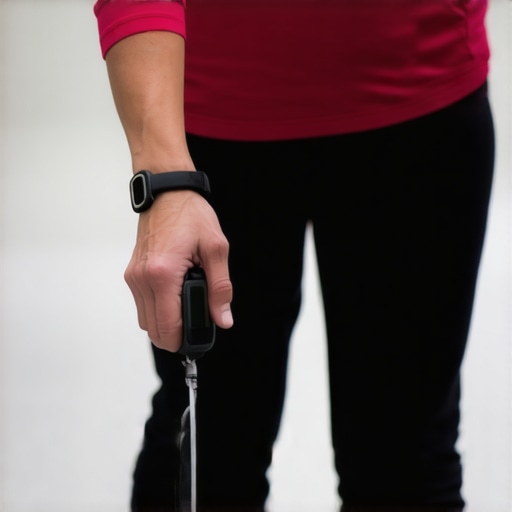
Proper placement is key. Think of your monitor as a delicate sensor that needs to sit snugly but not too tight. I once struggled with a monitor that kept slipping during a jog—the key was to tighten it just enough for stability without restricting blood flow. For wrist devices, positioning the sensor just above the wrist bone ensures consistent contact with the skin, improving reading accuracy.
Use Correct Wear Protocols Every Time
Follow the manufacturer’s instructions meticulously. Don’t wear the device over thick clothing or jewelry, which can interfere with signals. In my own trial, I found that removing watches and cuffs before measurements improved reliability. Consistency in wear routine helps prevent discrepancies and makes tracking trends more meaningful.
Sync and Validate Readings
Ensure your device can sync seamlessly with your phone or cloud platform. Regularly check the readings against a traditional cuff monitor—think of it as calibrating your new digital car against a manual odometer. I occasionally compared my wearable’s readings to manual measurements at the pharmacy, which confirmed that recent models are increasingly accurate even during movement.
Leverage Data for Better Health Decisions
Use the collected data to identify patterns over days and weeks. Many devices offer instant sharing with healthcare providers—like an autopilot that reports your route. This continuous monitoring doesn’t just alert you when your blood pressure spikes; it helps you and your doctor develop personalized management strategies. For further insights, explore how 2026’s smart devices are transforming patient monitoring here.
Be Prepared for Troubleshooting
Battery life and signal issues are common hurdles. Think of your device as a reliable co-pilot—you need to ensure it’s always ready for the road. Keep it charged, and occasionally recalibrate if the readings seem inconsistent. A brief reset or re-pairing with your app often restores accuracy, as I learned during a weekend hike where my monitor’s readings temporarily drifted. Consulting manufacturer resources or your healthcare provider can provide specific solutions.
By systematically applying these steps, you’ll enhance the reliability of your wearable BP monitor and integrate it smoothly into your daily routines. Mastering these techniques transforms your device from a mere gadget into a powerful tool for health management—allowing freedom without sacrificing monitoring accuracy.
 Many people assume that all medical devices are foolproof or that newer technology automatically equals better results. However, there’s a nuanced landscape behind these tools that often goes unnoticed. For instance, a common myth is that advanced imaging equipment, like MRI machines or ultrasound scanners, always provide infallible diagnostics. In reality, factors such as calibration, operator skill, and proper maintenance significantly impact reliability and accuracy. Overlooking these nuances can lead to misdiagnoses or delayed treatments, which can be detrimental to patient health.
Another misconception is that medical devices are static in their technology. The truth is, innovation in this field is rapid, and device efficacy often depends on continuous updates and understanding their limitations. For example, some believe that digital monitors, like wearable blood pressure devices, are equally accurate as traditional cuff-based ones. Yet, without proper calibration and user training, these devices may produce misleading readings, especially during movement or inconsistent use.
A critical trap to avoid is assuming that new or high-priced equipment guarantees improved outcomes. Investing in cutting-edge devices without comprehensive training or understanding their proper use can be counterproductive. Studies have shown that improper handling or misunderstanding of device functionalities can cause errors—think of inaccurate readings from poorly placed sensors or misinterpreted data logs.
Now, let’s address a question that often stumps even seasoned healthcare professionals: What advanced mistake do many make regarding the integration of AI-powered medical devices?
<3>How can reliance on AI tools lead to overlooked clinical context? Though AI enhances diagnostic speed and pattern recognition, overdependence may cause practitioners to overlook essential clinical nuances. AI algorithms are trained on specific datasets, which can introduce biases or miss atypical presentations. An overreliance on these tools might lead clinicians to accept the AI’s conclusion without thorough clinical evaluation, risking misdiagnosis. According to a 2024 review in the Journal of Medical AI, integrating AI outputs with expert judgment remains crucial—machines should assist, not replace, human insight. To ensure responsible use, professionals must understand the limitations of AI models and always corroborate findings with their clinical expertise.
Understanding the complexities of medical device reliability underscores the importance of continuous training, proper calibration, and nuanced application. Have you ever fallen into this trap? Let me know in the comments. For more insights into how emerging tech is revolutionizing healthcare, explore innovations like AI-powered dental scanners or ultrasonic scalpels which combine cutting-edge tech with careful clinical consideration.
Maintaining Your Medical Devices for Long-Term Success
In the fast-evolving world of medical technology, regular maintenance of your equipment is crucial to ensure accuracy, safety, and longevity. Personally, I recommend establishing a routine calibration schedule—at least quarterly—to keep devices like wearable blood pressure monitors and bio-sensors performing at peak levels. Calibration ensures readings remain consistent and trustworthy, especially critical when devices are used during active moments. For instance, digital blood pressure monitors rely heavily on proper calibration; without it, data can drift, leading to potential misinterpretation.
Investing in quality maintenance tools is equally important. I use a combination of manufacturer-recommended calibration kits and advanced diagnostic software that links via Bluetooth to detect and correct sensor drift. These tools help identify issues before they escalate, saving both time and money in the long run. Coupled with routine device inspections for physical wear—like checking sensor contact points and battery health—you can significantly reduce downtimes and ensure your equipment delivers reliable data.
The future of device maintenance is leaning toward automation. Predictive maintenance, powered by AI algorithms integrated into diagnostic platforms, is gaining ground. These systems analyze usage patterns and sensor data to forecast potential failures before they happen. For example, some hospitals have started using AI-driven software that automatically alerts staff when a device’s calibration begins to drift, allowing proactive intervention rather than reactive repairs.
While these advanced systems are promising, they require careful implementation and regular updates to stay effective. Staying ahead means not only leveraging current tools but also maintaining awareness of ongoing technological innovations. Exploring AI-enhanced maintenance solutions can give you a competitive edge in ensuring your devices remain accurate and safe over time.
How do I keep my equipment functioning seamlessly over time?
Establish a comprehensive maintenance protocol that combines regular calibration, physical inspections, and software updates. This approach minimizes unexpected failures and keeps your equipment performing reliably. For example, routine checks of bio-sensors can prevent false alarms or inaccurate readings, which are critical in patient monitoring. Additionally, training staff on proper device handling and troubleshooting can extend device lifespan and ensure consistent performance. Remember, proactive maintenance with the right tools—like calibration kits and diagnostic software—is your best defense against device degradation. Embrace innovations in predictive analytics to stay a step ahead, and consider integrating these systems into your maintenance routine for future-proof reliability. Start by testing a predictive maintenance tool today, and see how it transforms your device management.
Lessons That Changed My Approach to Medical Device Use
- Calibration Is an Ongoing Journey: Early in my experience, I believed a new device was ready to perform flawlessly. Discovering that regular calibration significantly improved accuracy during active use was a lightbulb moment that transformed my monitoring routine.
- Comfort Over Convenience: Choosing a device that feels natural to wear during all activities increased my consistency. It’s a reminder that the best medical device is the one you don’t forget about.
- Data Is Only as Good as Its Interpretation: Seeing continuous BP data was enlightening, but understanding trends requires patience and context. It taught me to avoid jumping to conclusions from single readings and to look at the bigger picture.
- Don’t Overlook Practical Usage Tips: Proper placement, avoiding interference, and syncing regularly are small steps that prevent big errors. Practical knowledge makes a difference.
- Technology Is a Partner, Not a Crutch: Despite rapid innovations, human judgment remains essential. Combining reliable devices with clinical insights leads to better health outcomes.
Tools and Resources That Keep Me Ahead
- AI-powered dental scanners have shown me how intelligent tech streamlines diagnostics, inspiring me to look for smarter BP monitors.
- Advanced retractors demonstrate the importance of precision technology, reminding me to choose wearables with motion-tolerant sensors.
- Laser scalpels highlight how innovation accelerates recovery; similarly, well-designed BP monitors can improve quality of life during management.
- Soundproof curtains show that environment influences health; ensuring your device works accurately amidst activity is just as critical.
Your Next Step Toward Confident Monitoring
Embracing wearable blood pressure monitors during active routines is more than a trend—it’s a leap toward empowered health management. With the right approach, you can enjoy life’s adventures without sacrificing vital insights into your well-being. Starting today, focus on calibration, comfort, and proper usage, and watch how your understanding of your health deepens. Want to share your experiences with wearable BP devices or ask questions? Drop a comment below and let’s encourage each other to take control of our health journeys.