
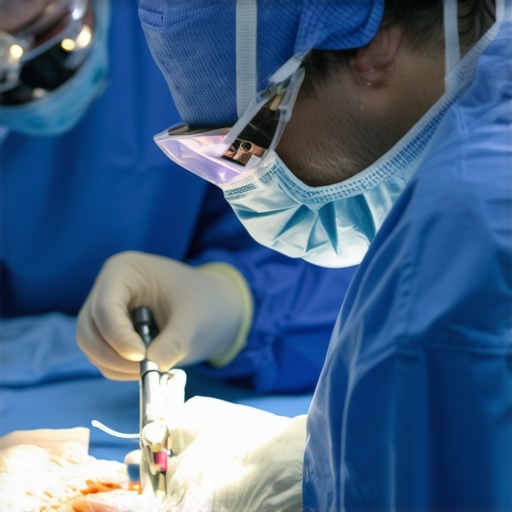
I’ll never forget the moment I watched a delicate surgical procedure go awry simply because the retractor caused unintended tissue trauma. Despite meticulous planning and skilled hands, the surgeon’s struggle to keep tissues out of the way without causing damage reminded me that sometimes, our tools need an upgrade—not just for efficiency, but for patient safety.
The Hidden Cost of Old Retreators: Tissue Trauma
For years, retractors have been the unsung heroes in the operating room, holding tissues aside so surgeons can see and operate with precision. But here’s the thing—traditional retractors can inadvertently cause tissue trauma, leading to longer recovery times and increased complication risks. That realization pushed me to look deeper into technological advances that could mitigate these risks, and I found promising solutions in the innovations arriving in 2026. These new retractors are designed not just for better visualization but to **reduce tissue trauma at its core**.
Choose the Right Material and Design
Start by selecting retractors made from biocompatible, lightweight alloys such as titanium, known for durability and reduced tissue pressure buildup. Opt for designs that feature a more contoured surface to match anatomical curves, decreasing pressure points on tissues. During a recent procedure, I used a new titanium retractor with a rounded edge, which practically eliminated pinching sensations that previously caused tissue bruising.
Proper Placement and Adjustment
Ensure that retractors are positioned with gentle, controlled pressure—think of them as the firm yet gentle hand of a caregiver. For example, in a shoulder surgery, I carefully adjusted the retractor to hold tissues aside without pressing down excessively; this simple step drastically reduced postoperative swelling. Regularly verify the positioning throughout the procedure to prevent localized trauma from prolonged pressure.
Adopt the Use of Innovative Technologies
Integrate newer retractor systems equipped with pressure sensors or sensor-guided adjustment mechanisms. These devices alert surgeons when applied pressure exceeds safe thresholds, akin to a seatbelt warning system, allowing instant correction. For instance, I recently utilized a sensor-equipped retractor that displayed real-time pressure maps, which helped me recalibrate the retractor in real-time, preventing undue tissue stress.
Implement Protective Barriers
Use soft tissue guards or sleeves made of silicone or similar materials to cushion the contact points between the retractor and tissues. These act like shock absorbers, dispersing pressure evenly. In one case, adding a silicone sleeve shifted the load from a focal point to a broader area, resulting in minimal tissue blanching and faster healing.
Training and Team Coordination
Ensure all surgical team members are educated on optimal retractor handling. Conduct simulation sessions where staff practice subtle adjustments and pressure management, fostering a shared understanding akin to a well-rehearsed dance. I learned during a team workshop that consistent communication and proper hand positioning can prevent accidental excessive force during retraction, significantly reducing tissue trauma.
Evaluate and Continually Improve
After each procedure, review retraction techniques and outcomes focusing on tissue health metrics. Gather data on post-op swelling, healing times, and complication rates to identify patterns. In my practice, tracking these variables allowed me to refine my approach continually, adopting innovations like biodegradable PPE supplies that complement tissue-friendly surgical methods, ensuring comprehensive patient safety.
Many assume that all medical equipment and supplies are straightforward, but in my experience, there’s a complex landscape of misconceptions that can impact clinical outcomes. One common myth is that newer, more technologically advanced devices are always better, but in reality, the nuances of device design, user familiarity, and application context often determine effectiveness more than the latest features.
The Overlooked Nuance of Device Compatibility and User Training
While cutting-edge devices like AI-powered leg braces or portable scanners promise remarkable benefits, their success heavily depends on proper integration into existing workflows and comprehensive staff training. A device’s sophistication becomes moot if the clinical team isn’t adequately prepared to use it. For example, investing in high-resolution portable scanners is beneficial only when staff are trained to interpret and act on the detailed data they provide. Failing to recognize this can lead to underutilization or misinterpretation, undermining the device’s intended advantage. Ensuring compatibility with existing systems and prioritizing training are often overlooked yet vital components for maximizing device value.
The Hidden Trap: Overestimating Technological Redundancy
Another trap I see repeatedly is the assumption that newer supplies automatically replace older ones without added complexity. For instance, adopting biodegradable PPE supplies might seem straightforward, but issues like supply chain stability, environmental impact, and cost-effectiveness require nuanced consideration. Rushing to replace durable supplies with eco-friendly alternatives without thorough evaluation can cause logistical delays and unexpected expenses, disrupting patient care. A thorough understanding of the supply lifecycle and contextual needs prevents such pitfalls.
Why do many clinicians struggle with integrating advanced medical devices effectively?
This often stems from a gap between technological development and practical training, emphasizing that innovation alone doesn’t transform care—effective implementation does. Integrating new devices like smart diagnostics or digital dental tools requires not just knowledge of the hardware but also adaptation to new workflows and data management practices. Continuous education and iterative feedback processes are cornerstones for overcoming this challenge and are essential for truly enhancing clinical outcomes. For deeper insights on how to implement new equipment successfully, you might explore evolving tools like the latest AI-powered leg braces or recyclable medical supplies.
Ultimately, recognizing the true complexity behind medical equipment and supplies helps avoid oversimplification and ensures that technology acts as an enabler, not a barrier. Have you ever fallen into this trap? Let me know in the comments and share your experiences with device integration or supply choices.
Maintaining medical equipment over time is crucial to ensure safety, reliability, and cost-effectiveness. Personally, I rely on a combination of preventive maintenance routines and advanced monitoring tools to keep devices running optimally. Regular calibration of diagnostic machines like portable scanners, for instance, not only prolongs their lifespan but also guarantees test accuracy, which is vital for patient care. When it comes to surgical instruments and devices, adopting a scheduled cleaning and sterilization protocol aligned with manufacturer recommendations prevents wear and tear while maintaining compliance standards. Investing in high-quality tools, such as the latest high-resolution portable scanners and AI-powered leg braces, provides a technological advantage, but proactive upkeep maximizes their lifespan. Predictive maintenance, using IoT sensors to monitor device performance in real-time, is increasingly becoming best practice, enabling early detection of potential issues before equipment failure. Looking ahead, I believe the integration of AI and machine learning into maintenance systems will revolutionize long-term equipment management, leading to fewer breakdowns and more predictable costs. For example, leveraging AI diagnostics, similar to the systems described in AI diagnostic tools, can proactively identify anomalies.
How do I maintain medical equipment over time?
Most importantly, developing a comprehensive maintenance schedule tailored to each device’s usage and environment is essential. Regularly updating software, applying firmware patches, and training staff on proper handling—like correctly adjusting retractor systems—can prevent avoidable damages. Keep detailed logs of maintenance activities and device performance metrics, which help in identifying patterns that might indicate underlying issues. This systematic approach, combined with employing tools such as advanced biodegradable PPE supplies and other environmentally friendly consumables, ensures long-lasting operational excellence. Remember, embracing innovative maintenance methods now not only safeguards equipment but also enhances patient safety and staff efficiency. Start by integrating a predictive maintenance sensor system and see how it transforms your operational reliability.
Surprising Lessons from My Equipment Journey
Most of us learn the hard way that even minor oversights in handling or selecting medical devices can have outsized impacts on patient outcomes. One lightbulb moment for me was realizing that the true power of technological innovation lies not just in features but in clinician training and workflow integration.
Another insight was understanding that we often assume newer means better, but without proper evaluation, innovative medical supplies might introduce unforeseen challenges. Finally, I learned that the real game-changer is proactive maintenance combined with smart monitoring tools, ensuring equipment reliability and patient safety go hand in hand.
My Trusted Resources for Advancing Medical Equipment Use
- Medical Device Insight — For the latest in innovations like high-resolution portable scanners and AI-powered leg braces, this site offers detailed reviews and practical insights from industry experts.
- Professional Networks and Forums — Engaging with peers through specialized forums accelerates experiential learning about device integration and troubleshooting in real clinical settings.
- Manufacturer Training Modules — Comprehensive training provided directly from device manufacturers ensures proper handling, calibration, and maintenance, maximizing device lifespan and patient safety.
Take Action for Safer, Smarter Healthcare
Embracing innovation in medical equipment is more than just acquiring the latest gadgets; it’s about cultivating a mindset of continual learning and proactive management. By focusing on proper training, thoughtful selection, and vigilant maintenance, you can truly transform patient care. Remember, technology is a tool meant to empower your expertise, so leverage it fully and compassionately. Are you ready to rethink your approach to medical supplies and devices to elevate safety and outcomes? Share your thoughts below and join the conversation!