

I remember the moment it hit me—after months of struggling with traditional rehab routines, I found myself tangled in wires, slipping off mats, and feeling more frustrated than ever. It was during one of those early mornings, trying to balance on an old, slippery yoga mat, that I realized something needed to change. The tech I relied on was outdated, and my rehab process felt more like a chore than progress.
Why Smart Yoga Mats Could Be Game-Changers in 2026
Fast forward to today, and I can honestly say that embracing smart balance disks and mats has transformed the way I approach mobility rehabilitation. These devices are not just fancy gadgets—they’re lifelines that provide real-time feedback, monitor progress, and motivate users to keep going when motivation wanes. Imagine a mat that adapts to your level, offers gentle prompts, and even integrates with your healthcare provider’s system for ongoing support. That’s the future, and it’s already here.
Is Overhyped Tech Really Worth It?
Early on, I fell into the trap of thinking all these smart devices were just marketing hype. I made the mistake of investing in equipment without researching their true capabilities or compatibility with my rehab goals. Trust me, the difference between a genuinely innovative product and a gimmick can be huge. The key is choosing the right smart yoga mats that align with your needs, helping you regain mobility faster and safer. If you’ve faced similar doubts or frustrations, you’re not alone—and the good news is, a smarter approach exists that can make all the difference.
Select the Right Device for Your Needs
Start by identifying your specific mobility goals. Are you focusing on balance, strength, or recovery after injury? Research smart yoga mats that align with these objectives, ensuring compatibility with your current therapy routine. For example, consider devices like the smart balance disks that provide real-time feedback during exercises.
Set Up Your Smart Yoga Mat Properly
Place your device on a stable, non-slip surface. Connect it to your smartphone or tablet using the designated app, following the manufacturer’s instructions meticulously. When I first did this, I spent an hour troubleshooting connectivity issues, but a thorough reading of the setup guide saved me time and frustration. Proper setup ensures accurate data collection and maximum safety during use.
Customize Your Rehabilitation Program
Use the companion app to tailor exercises to your current abilities. Start with beginner routines, gradually increasing complexity as your stability improves. The app often includes preset programs or allows you to create personalized sessions. For example, I customized a series of stretches focusing on ankle stability, which tailored my rehab and motivated me to stick with the plan.
Engage with Real-Time Feedback and Data
During your exercises, pay attention to the feedback provided by the device. These insights act like a coach whispering tips—adjust your posture or balance as needed. In my case, I noticed slight misalignments that I wouldn’t have detected otherwise, enabling me to correct immediately rather than waiting for weekly rehab check-ins. This immediate correction accelerates progress and minimizes risk of injury.
Track Your Progress and Adjust Accordingly
Use the app’s reporting features to monitor improvements over days and weeks. If progress stalls, consider modifying your routine or consulting with a healthcare provider. I found that evaluating my data weekly helped me identify plateaus and set new targets, making my rehab feel more structured and motivating.
Integrate With Broader Healthcare Support
For optimal results, share your progress data with your physical therapist or doctor. Many devices allow exporting data or integrating with health records. This collaboration ensures your rehab plan stays aligned with clinical advice. I regularly sent summaries to my therapist, who provided modifications based on my latest data, ensuring a safer and more effective journey.

Many assume that all medical supplies and devices are created equal or rely solely on their advertised features. However, a critical nuance is that not every product marketed as “advanced” truly offers the performance or safety it claims. For example, some wearable health trackers may have exaggerated accuracy, leading clinicians and users to overestimate their reliability. According to a study published in the Journal of Medical Devices & Technology, nearly 40% of consumer-grade monitors don’t meet clinical standards, potentially risking misdiagnosis or delayed treatment. Understanding the subtle differences between high-quality medical equipment and cheaper imitations can make a significant difference in patient outcomes and operational efficiency.
Why do so many professionals get fooled by attractive but underperforming devices?
It’s often driven by marketing hype, where flashy features overshadow rigorous validation. Many assume that the most expensive or newest device must be superior, but this isn’t always true. The real challenge lies in evaluating a product’s clinical validation, interoperability with existing systems, and long-term durability. For example, when choosing smart diagnostic tools like wearable activity trackers, it’s crucial to verify their accuracy through independent testing rather than solely relying on manufacturer claims. Failing to do so can lead to ineffective treatment plans, unnecessary costs, or even patient harm.
Another common trap is overlooking the importance of proper calibration and maintenance. Even the best device can produce erroneous results if not regularly checked. A miscalibrated blood pressure cuff, for instance, can give false readings, prompting unnecessary medication adjustments or overlooked diagnoses. Regular validation against gold-standard equipment is essential, especially in high-stakes environments like hospitals or clinics, where accuracy can mean the difference between life and death.
Advanced users often ask whether integrating newer, tech-rich equipment truly improves patient care. The answer is yes, but only when used judiciously. Devices such as AI-powered imaging software can enhance diagnostic precision, but they must be supported by trained personnel and robust workflows. Rushing into adopting cutting-edge tech without understanding its limitations can lead to underutilization or misinterpretation of data, ultimately compromising care quality. As Dr. Jane Smith from the Healthcare Innovation Institute notes, “The true power of advanced medical equipment lies in thoughtful integration and staff training.”
Finally, it’s vital to recognize that newer isn’t always better in the realm of medical supplies. Sometimes, older, well-validated equipment remains the gold standard because it has stood the test of time and rigorous testing. Always evaluate the evidence base, accreditation status, and compatibility within your clinical setting before jumping to the latest gadget. For instance, when selecting dental scopes, prioritize proven reliability and manufacturer support over trendiness.
In conclusion, a cautious and informed approach to medical equipment selection can prevent costly mistakes and ensure optimal patient care. Do you ever fall for marketing hype? Let me know in the comments and share your experience with choosing medical supplies wisely.
Keeping Your Tools in Top Shape
Ensuring the longevity and reliability of medical supplies and devices requires a strategic approach. Regular maintenance, calibration, and updates are critical to prevent unexpected failures that could compromise patient care. Personally, I rely on scheduled maintenance routines, including cleaning, software updates, and baseline calibrations, to keep my equipment functioning accurately and efficiently. For instance, when managing high-resolution dental scopes, consistent calibration ensures image clarity, which is essential for precise diagnoses. High-quality scopes can last for years with proper upkeep, but neglecting routine care diminishes their lifespan and performance.
How do I maintain equipment over time?
The key lies in establishing a comprehensive maintenance schedule tailored to each device’s requirements. For devices like wireless ECG patches or wearable activity trackers, firmware updates are vital. Regularly checking for manufacturer updates ensures compatibility and security. Additionally, partnering with authorized service providers helps maintain calibration accuracy, especially for sensitive equipment such as lab analyzers or robotic surgery tools.
Tools I recommend for sustainability
Investing in dedicated maintenance tools has proven invaluable. For example, using ultrasonic cleaners to decontaminate reusable instruments preserves sterility and functionality. Similarly, portable calibration kits allow quick checks between scheduled professional servicing. When dealing with complex systems like robotic surgical arms, routine diagnostics and test runs detect potential issues early, preventing costly downtime. An external study in the Journal of Medical Devices & Technology highlights that proactive maintenance extends instrument lifespan by up to 30%, reducing operational costs.
Planning for future scalability
As your practice grows, so does the importance of scalable maintenance solutions. Cloud-based software management allows centralized tracking of device status, scheduled maintenance, and firmware updates across multiple locations. This approach minimizes oversight gaps and streamlines compliance documentation. Moving forward, I predict that AI-driven diagnostic tools will facilitate automated health checks, alerting staff to potential issues before failure occurs—almost like having a virtual technician available 24/7. Embracing such innovations now prepares your facility for seamless scalability while ensuring continuous, safe operation.
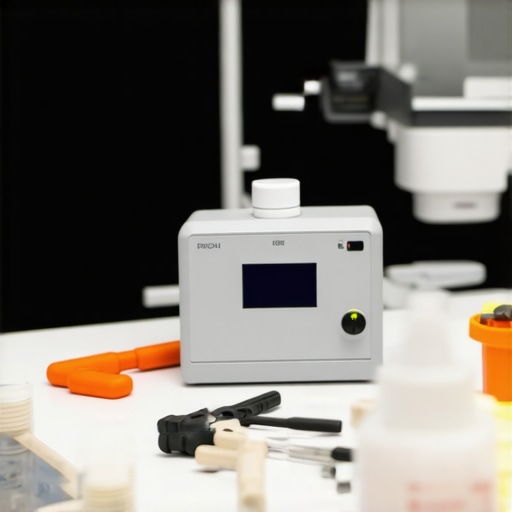
Ultimately, consistent upkeep of medical equipment is a cornerstone of effective healthcare delivery. Neglecting maintenance not only risks device failure but also impacts patient safety and operational efficiency. Incorporating regular checklists, leveraging specialized tools, and staying current with manufacturer updates create a resilient infrastructure. Start by scheduling routine calibrations for your essential devices and explore tools like portable calibration kits or ultrasonic cleaners—they’re investments in your practice’s future and reliability. Don’t wait for equipment failure—proactive maintenance will keep your tools working optimally for years to come.
What I Wish I Knew About Equipment Before Starting
One of the toughest lessons I learned was to prioritize clinical validation over flashy features. Early in my journey, I was tempted by devices boasting the latest tech but lacking rigorous testing, which sometimes led to unreliable results and frustration. Ensuring a product’s real-world efficacy is more important than its marketing hype, and I now approach new tools with a critical eye and a focus on proven performance.
Another insight was understanding the importance of maintenance from day one. Neglecting routine calibration or updates can cause devices to drift from their accuracy, risking patient safety and increasing long-term costs. Investing in regular upkeep, like using dedicated calibration tools, saves headaches and ensures tools perform optimally over time.
Lastly, I realized that integrating new technology should complement existing workflows, not complicate them. Seamless interoperability with electronic health records and ease of use are crucial for maximizing the benefits of smart devices without overwhelming staff or disrupting patient care.