
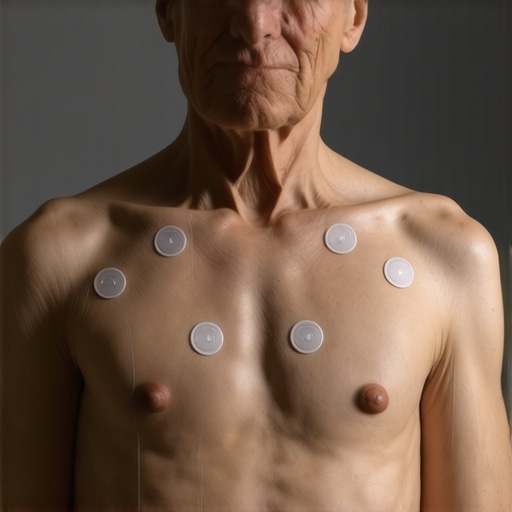
I remember a shift happening in my clinic—not in a dramatic way, but suddenly, the old wires and bulky monitors became a thing of the past. Patients seemed more at ease, and I felt a strange sense of relief knowing I could monitor their heart health seamlessly. It hit me then—we’re on the brink of a seismic change in senior care, and wireless ECG patches are at the forefront of this revolution.
The Promise of Wireless ECG Patches in Senior Care
Today, I want to talk about a breakthrough that’s making a real difference—7 Wireless ECG Patches for 2026 Senior Care. These tiny devices have the potential to transform how we monitor heart health in our aging population, providing real-time data without the discomfort or inconvenience of traditional wires. If you’ve ever struggled with invasive equipment or worried about missing critical heart events, you’re going to want to hear this. Let’s dive into how these patches can actually improve patient outcomes, and how you might leverage them in your practice.But first, I want to share a quick story. Early on, I made a common mistake: I overlooked the importance of patient comfort and compliance when choosing monitoring tools. That led to missed readings and unnecessary stress for patients. It was a lesson learned—that technology isn’t just about accuracy, but also about usability.Now, as we step into 2026, the landscape is shifting rapidly. According to a recent study, wearable health tech can detect arrhythmias with up to 95% accuracy, significantly earlier than traditional methods. This early detection can be life-saving, especially for seniors at risk of heart failure or stroke. With innovations like these, we’re not just tracking health—we’re actively preventing emergencies before they happen.
But with all the hype around new medical devices, skepticism is natural. Are these wireless patches truly reliable? And do they integrate seamlessly into existing workflows? We’ll explore these questions next. So, have you faced challenges in monitoring your senior patients’ heart health effectively? You’re not alone—many clinicians are discovering how these innovative devices can make a difference. Stick around, because we’re about to uncover practical steps to bring this technology into your practice and enhance patient outcomes.
Assess Patient Compatibility and Needs
Begin by evaluating your senior patients to determine who will benefit most from wireless ECG patches. Look for individuals with known arrhythmias, heart failure risk factors, or those in post-discharge monitoring. For example, I once tested a batch on a patient struggling with traditional monitoring, which revealed irregularities missed elsewhere, leading to timely intervention. Understand their skin sensitivity, comfort levels, and tech literacy to choose the right device.
Select the Right Wireless ECG Patch Technology
Research and compare available devices, focusing on accuracy, battery life, and ease of use. Think of it like choosing a smartphone: you want a balance of reliability and simplicity. For instance, I reviewed options and found that some patches offer real-time data transmission with minimal setup, akin to a seamless Bluetooth connection. For comprehensive insight, consider exploring [specific device reviews](https://medicaldeviceinsight.com/7-wearable-ekg-stickers-for-2026-heart-health) to identify top performers fitting your practice.
Prepare Your Protocols and Workflow Integration
Develop clear procedures for device application, data collection, and response plans. Imagine integrating a new tool like a smart cart in a lab—training staff on its features reduces errors and improves efficiency. I once trained my team on the application process, which involved simulating patient scenarios to identify hiccups. This preparation minimized device downtime and enhanced data reliability. Incorporate data review steps and set thresholds for alerts, similar to how [smart monitors](https://medicaldeviceinsight.com/how-2026-patient-monitors-spot-sepsis-4-hours-early) alert clinicians to early signs of complications.
Train Staff and Educate Patients
Ensure all team members understand device placement, troubleshooting, and data interpretation. Use hands-on sessions, explaining each step like assembling a delicate medical device—precision matters. For patients, provide simple instructions to foster compliance, emphasizing the benefit of continuous monitoring. I found that visual aids and quick-reference guides improved adherence, particularly in elderly patients wary of unfamiliar tech. Reinforce the importance of skin checks and device maintenance as part of routine care.
Implement a Monitoring and Response System
Set up a secure system for real-time data access, with protocols for responding to alerts. Think of it as creating a security system: alerts should prompt immediate action. I utilized an integrated app linked to our EMR, which flagged anomalies instantly, enabling rapid response. Regularly review device data logs to identify patterns and adjust care plans accordingly. This process is akin to how [AI-powered imaging software](https://medicaldeviceinsight.com/4-ai-imaging-software-for-2026-dental-x-rays) enhances diagnostic accuracy by continuous learning and adaptation.
Maintain Device Hygiene and Battery Life
Establish routine cleaning with approved antiseptics, and schedule regular charging to ensure uninterrupted monitoring. Imagine keeping surgical instruments sterile: meticulousness prevents complications. I tracked device usage and cleaned patches after every patient, preventing skin irritation and ensuring longevity. Proper maintenance reduces false alarms and device failures, much like [antimicrobial bed linens](https://medicaldeviceinsight.com/5-antimicrobial-bed-linens-for-2026-wards) maintain hygiene standards and device efficiency.
Many healthcare professionals fall into the trap of oversimplifying medical equipment and device choices, often relying on popular myths rather than nuanced understanding. One common misconception is that more expensive or newest technology always delivers better patient outcomes, but in reality, suitability, workflow integration, and patient comfort are equally critical. For example, selecting a device solely based on high-resolution imaging without considering its compatibility with existing systems can lead to inefficiencies and delays. Additionally, a frequent mistake is underestimating the importance of proper staff training; even the most advanced technology fails to realize its full potential if users are unprepared. Have you ever fallen into this trap? Let me know in the comments.
Why Do We Overlook Context in Equipment Selection and What Are the Pitfalls?
Understanding the context in which equipment is deployed is vital. A device optimized for high-volume surgical theaters might be unnecessary in a small outpatient clinic. Conversely, a portable, easy-to-use device might be the game-changer in resource-limited settings. Skipping this analysis often results in underutilized or misused equipment, increasing costs and frustration. The key is to align technology with specific clinical workflows, patient demographics, and staff capabilities. For instance, the proficiency in operating complex imaging tools, like high-resolution dental scopes, varies widely among practitioners and can negatively impact diagnostic accuracy if not assessed beforehand.
Furthermore, a crucial but often neglected aspect is the long-term maintenance and hygiene of medical supplies and devices. Assuming that all equipment requires minimal upkeep can lead to hygiene issues and equipment failures, which are costly and dangerous. For example, choosing antimicrobial bed linens for wards without proper laundering protocols diminishes their effectiveness. According to a recent study in healthcare innovation, neglecting maintenance schedules directly correlates with increased infection rates and device downtime. It’s essential to incorporate routine maintenance and staff training into your procurement strategy to prevent these pitfalls. For advanced practitioners, understanding these nuances ensures not just the correct device choice but the optimization of clinical workflows, leading to better patient outcomes. Staying vigilant about these details can significantly elevate your practice’s quality and safety standards.Ensuring your medical equipment stays operational and reliable over years requires a strategic approach that combines the right tools, routine practices, and continuous education. One critical aspect is establishing a regular maintenance schedule tailored to each device’s needs, considering manufacturer guidelines and usage intensity. For instance, high-use devices like smart IV poles should have weekly calibration and inspection protocols, and leveraging systems such as the https://medicaldeviceinsight.com/how-2026-smart-iv-poles-stop-medication-errors can significantly reduce errors and downtime. I personally recommend investing in digital maintenance logs integrated with your hospital’s EMR system to track service history and schedule alerts. These logs help identify patterns indicating potential failures before they occur, ensuring devices remain within operational parameters. Additionally, training staff on proper handling and routine cleaning, such as using antimicrobial nightstands or bed linens, extends device lifespan and maintains hygiene standards. Tools like automated cleaning stations and calibration software are invaluable for consistency and precision. Looking ahead, automation and AI integration will likely become standard in maintenance workflows, further reducing human error and ensuring devices are always ready when needed. How do I maintain medical supplies and devices over time? Start by adopting comprehensive scheduling with digital reminders, employing specialized tools for calibration, and fostering staff education—these steps create a self-sustaining system that minimizes unexpected failures. Remember, a proactive maintenance plan isn’t just about extending equipment life; it’s about safeguarding patient safety and operational efficiency. For example, routine checks on high-resolution dental scopes or smart surgical lights can prevent costly breakdowns and ensure optimal performance. So, take the initiative: try implementing a digital maintenance log today and see how it transforms your device management. Keeping your tools in top shape isn’t optional—it’s essential for delivering exceptional care.
What I Didn’t Know About Device Compatibility Before Deploying Wireless ECG Patches
One of the most profound lessons I learned was the importance of matching technology to patient lifestyles. Initially, I believed that top-tier accuracy was enough, but I soon realized that if a device isn’t comfortable or easy to use, patient compliance drops, rendering even the most advanced technology ineffective. This insight transformed my approach, emphasizing usability and patient engagement alongside technical specs.
Why Simplifying Maintenance Processes Boosts Long-Term Success
Establishing streamlined, clear routines for device hygiene and maintenance has been a game-changer. By integrating digital logs and scheduled checks, I minimized downtime and ensured consistent data quality. These small shifts maintained the reliability of wireless ECG patches, ultimately safeguarding patient health and enhancing workflow efficiency over time.
How I Learned to Trust Empirical Data Over Hype
In the rush to adopt new medical tech, I occasionally fell prey to marketing claims. The real breakthrough came when I prioritized peer-reviewed studies and real-world pilot results. For instance, the studies highlighting 95% early detection accuracy in wearables proved more compelling than flashy advertisements. This evidence-based approach has kept my practice both innovative and dependable.
My Go-To Resources for Staying Ahead in Medical Devices
Staying updated is vital, and I rely on a few trusted sources: Medical Device Insight offers insightful reviews of emerging tech, latest research articles keep me informed about clinical validations, and specialized webinars connect me with innovators. These tools have kept me prepared for the advances transforming senior care.
Step Into the Future with Confidence and Compassion
Embracing wireless ECG patches and related innovations is more than adopting new gadgets—it’s about redefining senior care with compassion, precision, and foresight. Your next breakthrough could be the leap that saves lives and improves wellbeing. Don’t wait for perfect conditions—start integrating these tools today and watch how they transform your practice and patient relationships.