
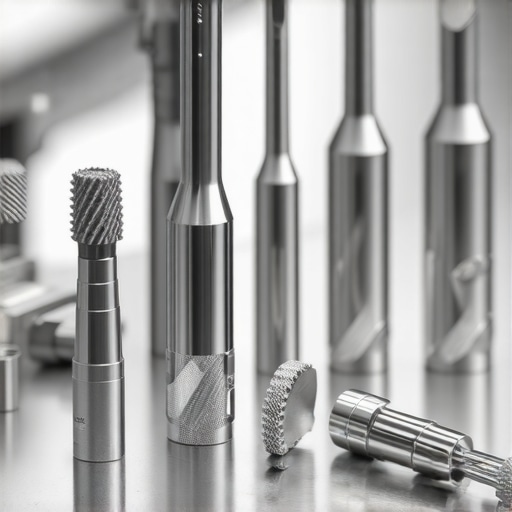
I’ll never forget the moment I watched a seasoned dental technician struggle for the third time to finish a crown because their drill just wasn’t up to the task. The frantic fumbling, the hurried adjustments—I’ve been there, feeling helpless as equipment misfires threaten to ruin an entire day’s work. That lightbulb moment hit me hard: equipment choice isn’t just a matter of preference; it’s a game-changer.
Why Picking the Right Dental Lab Drill Matters More Than Ever
As we approach 2026, the landscape of dental technology is evolving rapidly. The drills we relied on a few years ago may soon be obsolete, replaced by smarter, more efficient tools. For technicians, this isn’t just about convenience; it’s about precision, safety, and improving patient outcomes. The right drill can streamline workflows, cut down chair time, and ensure every restoration fits perfectly.
Is the Hype Around Advanced Dental Drills Justified?
I used to think that investing in high-end drills was excessive. My early mistake? I bought the most popular model without considering if it truly suited my specific needs. Over time, I realized that not all drills are created equal, and some are better suited for high-volume practices, while others excel in detailed cosmetic work. If you’re asking whether upgrading is worth it at this stage, the answer is a definite yes—especially with the innovative options emerging for 2026. Want to learn more about how these tools can upgrade your practice? Check out [our guide on dental polishing kits](https://medicaldeviceinsight.com/5-best-dental-polishing-kits-for-2026-offices), which discusses how tool quality impacts all aspects of dental work.
Remember, my mistake early on was overlooking the importance of compatibility, ergonomics, and durability. Choosing the right tool isn’t just about brand names; it’s about understanding what will support your workflow and patient care in the long run. And if you’re still skeptical about whether a new drill can genuinely boost your efficiency, you’re not alone. But trust me, the right equipment can make all the difference—just like it did for me.
Ready to find out which drills will truly revolutionize your practice? Let’s dive into the details to help you make an informed decision—and avoid costly mistakes.
,
Assess Your Practice Needs First
Begin by evaluating the specific procedures your practice frequently performs. For instance, if you’re specializing in cosmetic restorations, you’ll require a drill that offers precision and low vibration. I once made the mistake of purchasing a high-powered drill expecting it to handle all scenarios, only to find it cumbersome for fine detail work. To avoid this, create a checklist of functionalities you need, such as torque settings, ergonomics, and compatibility with existing tools.
Research and Compare Equipment Options
Use reputable sources like dental polishing kits guide and manufacturer websites to gather detailed specifications. Think of choosing a drill like selecting a reliable power tool; you want one that balances power with control. Pay attention to reviews about durability and maintenance. I once opted for a cheaper model based solely on price, which led to frequent breakdowns and downtime—costing me more in the long run.
Evaluate Ergonomics and Comfort
Hold different models in your hand to assess weight, grip comfort, and control. As a test, I borrowed a couple of drills from a colleague and spent an hour using each. The heavier one caused hand fatigue during extended procedures, directly impacting my precision. Remember, an ergonomically designed drill reduces fatigue and enhances fine motor control—crucial for delicate work.
Test Compatibility with Your Workflow
Ensure the selected drill integrates seamlessly with your existing setup. Check if it’s compatible with your high-speed handpieces and whether itsVarying these tools enhances overall efficiency. I once purchased a drill with incompatible connectors, forcing me to buy adapters, which slowed down my work flow. To avoid this, verify connector types and power requirements beforehand.
Prioritize Durability and Maintenance
Opt for models with reputable build quality and accessible maintenance options. Think of your drill as a trusted companion—if it’s unreliable, your entire operation suffers. I learned this the hard way when I neglected to choose a model with easy-access parts, causing lengthy downtimes for repairs. Regular maintenance can extend your equipment’s lifespan, saving money over time.
Consider Future-Proof Features
Look into upcoming technological trends like self-cleaning tips for tools and smart compatibility. While the initial investment might be higher, adopting these features ensures your practice remains competitive and efficient as technology advances. I upgraded to a drill with wireless connectivity, which allowed me to monitor usage stats and schedule preventive maintenance effortlessly.
By meticulously following these steps, you take concrete action to select equipment that truly elevates your practice’s quality of care. Remember, the decision isn’t just about equipment specs; it’s about aligning tools with your workflow, comfort, and long-term goals.
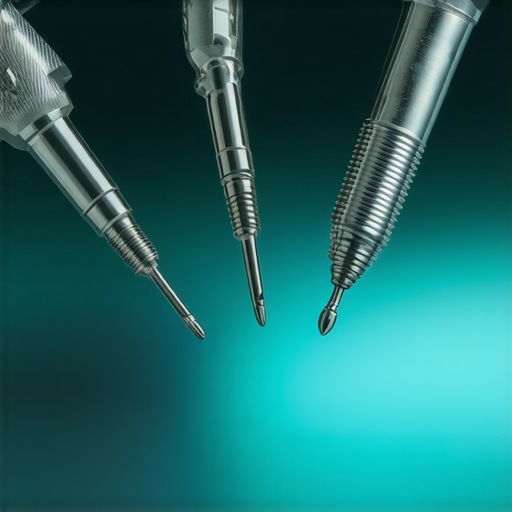
Many professionals assume that acquiring the latest medical equipment guarantees optimal patient outcomes. However, this is a misconception rooted in the idea that newer or more expensive tools inherently deliver better results. In my experience, the real nuance lies in understanding the specific functionalities and how well a device integrates into your workflow. For instance, a highly advanced scanner might be impressive, but if it doesn’t align with your clinic’s needs or staff expertise, its advantages diminish significantly.
Another common myth is that all medical supplies are interchangeable, leading to the assumption that cheaper alternatives are just as effective. This can be a costly mistake, especially when it compromises safety or compliance standards. The importance of selecting quality supplies backed by scientific validation cannot be overstated. For example, choosing the right dental polishing kits can influence not only the quality of patient care but also the longevity of your equipment, which you can explore in our guide on dental polishing kits.
What advanced considerations can help you differentiate between effective and ineffective medical devices?
One overlooked aspect is the integration capability of new devices with existing systems. For example, smart patient monitoring systems must seamlessly communicate with your electronic health records (EHR). Neglecting this can turn what should be a productivity booster into an administrative headache, leading to data silos or errors. A study published in Healthcare Technology Today emphasizes that interoperability is crucial for maximizing the benefits of smart medical devices, especially as hospitals and clinics move toward comprehensive digital ecosystems.
Furthermore, many overlook the importance of proper calibration and maintenance routines, which are vital for ensuring accuracy over time. Investing in sophisticated devices without understanding their upkeep can result in compromised data and increased downtime. My advice is to prioritize equipment that offers accessible support and clear maintenance guidelines, reducing the risk of costly errors.
Are you inadvertently falling for these myths? Recognizing these nuances can significantly elevate your practice’s efficiency and patient safety. For related insights on how emerging technology can benefit your setup, check out smart nurse calling systems or explore the latest in portable lab coolers for field samples to stay ahead in innovation.
How do I keep my medical tools and devices reliable over time?
Consistent maintenance is essential to ensure that your medical equipment remains accurate, safe, and functional for years. For instance, I swear by implementing a rigorous cleaning and calibration schedule for all devices, such as dental drills or patient monitors. Regular calibration, especially for precision instruments like self-cleaning O&R tools, can prevent drift in measurements and prolong device lifespan. Additionally, investing in high-quality consumables and replacement parts reduces unexpected downtimes and maintains compliance with safety standards.
What advanced tips can help you maintain your equipment precisely?
One effective approach is leveraging manufacturer-specific diagnostic software, which can automatically detect potential issues before they escalate. For example, many modern dental units now come with built-in diagnostics that log usage and alert you when maintenance is due. Moreover, embracing predictive maintenance techniques—using IoT sensors to monitor device health—can forecast failures, saving money and improving patient safety. I’ve integrated such systems into my practice, and the difference in operational efficiency is remarkable. To try a proactive maintenance strategy, consider adopting IoT-enabled devices that provide real-time performance analytics, ensuring your tools are always ready when needed.
Long-term results hinge on proper staff training regarding routine maintenance procedures and understanding device-specific quirks. I recommend developing a maintenance checklist tailored to your equipment models, referencing manufacturer manuals. Remember, neglecting regular upkeep can result in inaccuracies or even hazardous malfunctions. Keeping your tools in top shape isn’t just about avoiding repairs; it’s about safeguarding patient outcomes and streamlining workflow.
Which tools can simplify your maintenance routines?
Automatic sterilization systems, such as autoclaves with smart cycle monitoring, are game-changers. They reduce human error and ensure consistent sterilization standards. For example, I use a sterilizer that logs all cycles and alerts me if any parameters deviate, ensuring compliance with infection control policies. Additionally, adopting digital inventory management tools helps keep track of consumables and replacement parts, preventing unexpected shortages. These systems not only optimize workflow but also extend the longevity of your equipment by preventing neglect or misuse. By integrating these technologies, you can focus more on patient care and less on equipment worries.
Looking ahead, I believe the trend toward smart, interconnected devices will dominate. Devices equipped with AI-driven maintenance alerts will become the norm, reducing manual oversight and preventing costly breakdowns. To stay ahead, start exploring available IoT solutions and consider installing diagnostic software that offers remote monitoring. Taking these steps today ensures your practice remains efficient and dependable well into the future.
For a practical first step, try implementing a predictive maintenance system on one crucial device—like your dental drill or sterilizer. This small change can significantly improve your long-term results and reduce unexpected downtime, ultimately benefiting your patients and your team.
Reflecting on my journey with medical devices, I realized that the most valuable lessons often came from unexpected frustrations and mistakes. One of the pivotal insights was understanding that investing in high-tech equipment isn’t a one-size-fits-all solution—it’s about strategic alignment with your unique practice needs. Sometimes, simpler tools outperform complex devices when they fit seamlessly into your workflow, saving time and reducing maintenance headaches. Additionally, I discovered that fostering strong relationships with reliable suppliers and manufacturers can unlock access to tailored advice, priority support, and exclusive updates that keep your practice at the forefront. Finally, staying open to emerging technologies and regularly reassessing your equipment portfolio ensures you’re not just keeping up but setting trends in patient care innovations. Embrace these lessons, and your practice will not only operate more efficiently but also deliver exceptional outcomes that set you apart in the dental community.