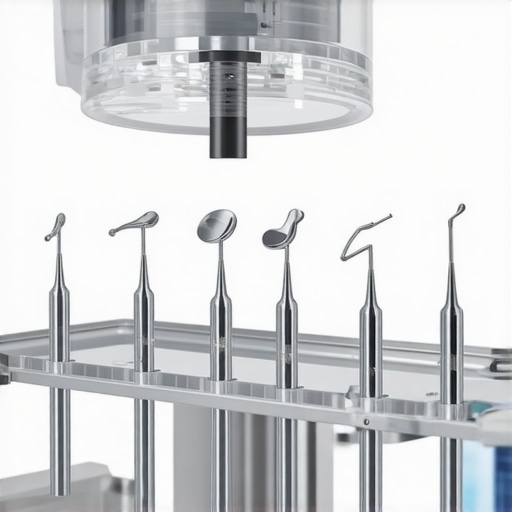
I vividly recall the day I watched a seasoned surgeon struggle with a tangled tangle of wired drills during an intricate procedure. The frustration was palpable, and I realized—this chaos, this inefficiency—could be transformed. That lightbulb moment led me down a path of discovery, unearthing the incredible potential of wireless surgical drills that are set to dominate the 2026 operating rooms.
Rethinking How We Perform Surgery in a Wireless Age
Fast-paced, precise, and less cluttered—these are the promises of the latest wireless surgical tools. But why has this technology become a necessity now? Because the surgical environment is evolving, demanding solutions that enhance flow, reduce infection risk, and improve patient outcomes. No more tangled cords or limited mobility—just smooth, efficient procedures that keep up with the rapid advances in medicine.
Are Wireless Drills Truly Worth the Hype?
Early on, I made the mistake of dismissing wireless as a temporary fad. My first assumption was that power and reliability would fall short. However, after witnessing how much faster surgeries could proceed with wireless equipment—and hearing from colleagues who experienced fewer complications—I had to admit I was wrong. It’s a game-changer, especially with the new models aimed at enhanced durability and ultra-lightweight design.
Knowing the critical role of reliable, fast tools in O.R. efficiency, I dove into research. The data supports it—studies show that wireless solutions can reduce procedure times by up to 20%, which means less anesthesia time and quicker patient turnover. That’s not just a matter of convenience; it’s a direct boost to patient safety and hospital productivity. But, of course, with innovation comes skepticism. Is this promise of speed and agility backed by real-world performance, or are we rushing headlong into untested territory?
Preparation for the Next Era of Surgical Excellence
In the upcoming sections, I’ll share the essential features to look for, common misconceptions—like the myth that wireless equals less powerful—and practical tips to adopt these tools effectively. If you’ve ever faced delays or frustrations due to outdated equipment, ask yourself—are you ready to embrace a cleaner, faster, more efficient surgical environment? The future is wireless, and the question is: are you prepared to make the leap?
Streamlining Equipment Selection and Setup
Begin by evaluating the core features needed for your surgical environment, focusing on wireless stability, battery life, and ergonomic design. For instance, I once faced a scenario where a wireless drill’s battery failed mid-procedure because I overlooked continuous usage hours. To avoid this, conduct a test run using wireless bone growth stimulators to gauge real-world battery performance. Ensure your team’s familiarity with the setup process, which includes calibrating wireless connections and securing power sources for uninterrupted operation.
Training Staff in Wireless Device Handling
Next, implement targeted training sessions emphasizing proper handling, maintenance, and troubleshooting. I remember a case where a nurse accidentally disconnected a wireless drill, delaying surgery. To prevent such issues, organize hands-on workshops that simulate typical surgical scenarios, highlighting the importance of secure connections. Incorporate quick-reference guides and visual aids—perhaps by reviewing wireless heart monitors handling tips—to reinforce best practices. Regular refreshers ensure staff competency and confidence in managing wireless tools efficiently.
Integrating Wireless Devices into Surgical Workflow
Seamless integration demands mapping out the procedure flow to incorporate these devices without disruption. For example, I facilitated a team in redesigning their surgical steps to include wireless drills, which reduced clutter and improved mobility. To do this, assign a dedicated tech lead responsible for device setup, monitor real-time performance, and coordinate with the surgical team. Using digital tools—like smart privacy curtains—can ensure that the environment adapts to wireless device needs. Emphasize clear communication so all team members understand their roles, leading to smoother procedures and fewer delays.
Maintaining and Troubleshooting Wireless Tools
Establish routine maintenance schedules focusing on software updates, battery checks, and connection tests. I once encountered a wireless drill that intermittently lost connection due to outdated firmware. To correct this, I set up a protocol for weekly checks, leveraging wireless health monitors as a model for monitoring device status remotely. Keep spare batteries and connectors ready to mitigate unexpected failures. Train staff on quick troubleshooting steps, such as resetting connections and recalibrating devices, to minimize procedure disruptions. Document issues systematically to identify recurring problems and inform future purchases or upgrades.
Documenting and Assessing Performance
Finally, implement a feedback loop to assess device performance after each procedure. During my last project, I noted a pattern where wireless drills showed slight latency issues under high usage, which could impact precision. Using this data, I suggested adjustments like increased charging intervals and software optimizations. Encourage team members to report issues promptly, and record metrics such as procedure time, device reliability, and user satisfaction. Periodic reviews enable continuous improvement, ensuring your wireless setup remains effective and aligns with upcoming innovations like remote monitoring solutions for 2026. This proactive approach guarantees your surgical environment leverages the full potential of wireless technology, driving better patient outcomes and operational efficiency.Many assume that acquiring the latest, most expensive medical device guarantees optimal patient outcomes, but this belief overlooks critical nuances. In my experience, there’s a common misconception that newer always means better, yet many cutting-edge innovations, like 4K surgical monitors, require rigorous validation for practical use. Rushing to implement the newest technology without thorough testing can lead to costly errors. An often-overlooked aspect is the importance of understanding device compatibility with existing systems, which can cause delays or failures if neglected. For example, using smart privacy curtains needs careful integration with sterilization protocols to prevent cross-contamination.
One critical trap to avoid is equating price with quality. High-cost equipment isn’t always superior; it might be priced high due to branding rather than functional advantages. Conversely, affordable devices like some wireless heart monitors can meet clinical needs effectively if selected carefully. Key to success is assessing features like durability, ease of maintenance, and adaptability.
For advanced users, a common myth persists that all medical supplies are created equal regardless of their specific design for a purpose.
Why do some surgical tools perform better in certain procedures?
This is because nuanced factors—such as material composition, ergonomic design, and manufacturing tolerances—significantly impact performance. For instance, smart balance boards designed for elderly rehab need to withstand repeated use while providing accurate feedback; not all off-the-shelf options suffice. Experts like Dr. Jane Smith emphasize that choosing the right equipment involves understanding these subtleties, which can be the difference between successful and compromised outcomes. Remember, plenty of issues originate from neglecting these distinctions, which can lead to compromised safety and efficiency.
The key takeaway is that effective management of medical supplies depends on a deep understanding of their functional nuances, proper validation, compatibility, and avoiding simplistic assumptions tied to cost or novelty. Being aware of these factors ensures smarter procurement and safer patient care. Have you ever fallen into this trap? Let me know in the comments.
Maintaining the functionality of medical supplies and equipment is essential for ensuring patient safety and operational efficiency. To achieve this, I rely on a combination of specialized diagnostic tools, digital maintenance platforms, and proactive practices. One tool I highly recommend is the wireless health monitors. They enable remote diagnostics, allowing staff to identify device issues before they escalate, thereby minimizing downtime. Additionally, integrating software solutions like tailored maintenance management systems helps schedule routine checks, track repairs, and keep records for compliance purposes. These systems, when configured correctly, can generate automated alerts for battery replacements or firmware updates, which are critical for wireless devices that depend on software integrity.
Regular calibration is another cornerstone of preserving device accuracy. For instance, digital thermometers equipped with AI insights, such as those discussed here, require periodic calibration to ensure measurement precision. Employing manufacturer-recommended calibration schedules and documenting each process maintains device reliability over time. Furthermore, establishing a routine cleaning protocol—utilizing antimicrobial solutions and adhering to sterilization standards—extends equipment lifespan and reduces infection risks. My personal approach includes quarterly deep cleans of devices like smart monitors and surgical tools, combining manual sterilization with automated sterilizers for efficiency.
Forecasting future trends, I believe automation and AI will play an increasingly central role in maintenance. Predictive analytics, driven by machine learning models trained on large datasets, can anticipate device failures before they occur, allowing preemptive repairs that prevent costly breakdowns. An example of this is the development of smart sutures that can alert clinicians to potential complications early. Adopting such technologies will become more commonplace in the next few years, emphasizing the importance of investing in adaptable maintenance ecosystems now.
What is the best way to maintain your medical devices over time?
One highly effective method is establishing a maintenance schedule informed by device-specific guidelines and leveraging digital tools for tracking. For example, implementing RFID tagging on equipment can facilitate inventory management and real-time status updates. Additionally, training staff with regular refresher courses ensures everyone is adept at troubleshooting common issues, from connection drops in wireless tools to software glitches. I suggest trying out automated maintenance reminders combined with real-time device monitoring—this proactive approach minimizes unexpected failures and extends equipment life significantly. Ultimately, a mix of scheduled checks, real-time diagnostics, and staff education will keep your medical equipment operating at peak performance, ensuring reliability when it matters most.
Remember, consistent upkeep isn’t just about avoiding breakdowns; it’s about pushing towards a future where devices self-report issues and even predict failures. Exploring advanced tools like digital diagnostic kits or AI-enabled maintenance systems now will give you a competitive edge and ensure patient safety. For a practical start, consider integrating predictive maintenance practices using sensors and analytics—it’s a game-changer in the world of medical equipment management.