
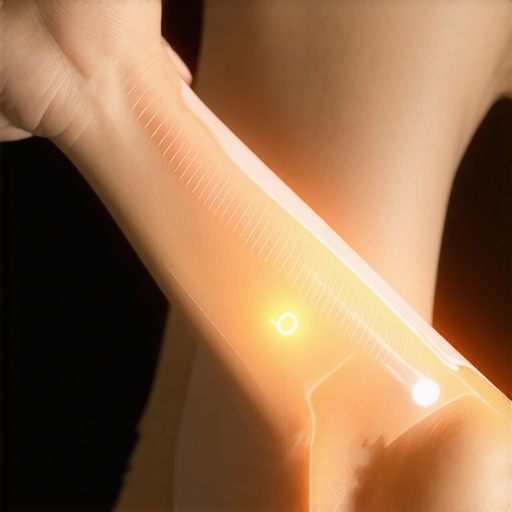
I remember the frustration vividly—seeing a patient walk out after a routine surgery, only to worry silently about whether their wound was healing properly. The stitches looked fine, but beneath the surface, I knew infection or complications could be lurking. That uneasy feeling? It’s something many of us in healthcare are all too familiar with. And honestly, it made me wonder: could there be a better way?
Say Goodbye to Uncertainty: Monitoring Wound Healing Made Smarter
Imagine a world where you don’t have to rely solely on visual inspection and patient reports to assess healing. Instead, innovative technology like smart sutures could provide real-time data on tissue health, infection markers, and healing progress right at your fingertips. As someone who’s navigated the guesswork of wound recovery, I find this prospect incredibly promising.
But here’s the real question that’s been on my mind: are these smart sutures actually worth the hype? And how soon can they become a routine part of our medical toolkit? Before diving into the benefits, I want to share a mistake I made early on that’s worth mentioning: I trusted traditional sutures without considering the potential of embedded monitoring devices. That oversight taught me the importance of staying ahead with evolving tech.
Have you found yourself ever in a situation where you wished you had a more reliable way to track wound healing? If so, keep reading. We’ll explore how these next-generation sutures could address those frustrations, reduce complications, and ultimately improve patient outcomes.
Choose the Right Technology for Your Needs
Start by assessing the types of wounds commonly encountered in your practice and identify smart suture options that suit those cases. Investigate devices such as wireless monitoring sutures that can provide real-time data. Remember, selecting a device with proven accuracy and reliability is crucial to avoid false alarms that can lead to unnecessary interventions.
Prepare Your Team for Integration
Train your staff thoroughly on the insertion and data collection from these smart sutures. Use simulation exercises to familiarize them with interpreting sensor data—think of it as teaching your team to ‘listen’ to the wound’s signals rather than just visual inspection. During my early trials, I organized a workshop that included hands-on practice and reviewing real sensor readings, which significantly improved confidence and accuracy.
Proper Application of Smart Sutures
When applying, ensure correct placement of the sensors within the sutures. Follow manufacturer guidelines precisely—improper placement can result in inconsistent data. For example, embedding sensors at the wound edges rather than the center can cause skewed readings, leading to misinterpretation of healing progress. Document the application process meticulously to maintain consistency across cases.
Establish Monitoring Protocols
Develop clear protocols outlining how often sensor data should be checked and what thresholds trigger intervention. Use automated alerts where available, turning data into actionable insights—like having a ‘stoplight’ system for wound status. I implemented a daily review schedule, which helped catch early signs of infection that were otherwise nearly impossible to detect visually at times.
Integrate Data into Patient Records
Ensure that data collected from smart sutures seamlessly updates into electronic health records (EHR). This can be achieved through compatible platforms or API integrations, making wound monitoring transparent and continuous. During a pilot, linking sensor outputs to the EHR streamlined communication with patients and other care team members, reducing manual entry errors and enhancing workflow.
Evaluate and Adjust the Process
Regularly review the effectiveness of your monitoring system—are wound healing times improving? Are false alarms decreasing? Use this feedback to refine your protocols. It’s akin to tuning a musical instrument; small adjustments can significantly enhance performance. Remember, technology is only as good as how well it’s integrated into your routine, so stay adaptable.
Applying these steps with precision transforms wound management from a reactive process into a proactive endeavor. For further insights on advanced monitoring tools, explore wireless pulse oximeters and consider how these innovations complement smart sutures for comprehensive patient care.
Many healthcare professionals operate under assumptions about medical devices that are simply not accurate. Contrary to popular belief, not all devices marketed as “high-tech” or “innovative” actually improve patient outcomes if not properly integrated or understood. For instance, some clinicians assume that newer devices automatically mean better accuracy, but in reality, the effectiveness highly depends on correct usage and context. A common myth is that all digital or wireless devices reduce the need for manual checks, yet studies show that over-reliance on technology without critical interpretation can lead to missed signs of deterioration. It’s essential to recognize that sophisticated equipment like wireless pulse oximeters, while promising, must be calibrated and validated regularly to prevent false alarms, which can cause unnecessary anxiety or interventions.
Is More Complexity Always Better in Medical Devices?
Experts emphasize that increased complexity can introduce vulnerabilities, such as software glitches or user error, which sometimes outweigh benefits. For example, a study published in the Journal of Medical Devices highlights that devices with overly complicated interfaces often result in decreased clinician adherence and increased misuse. This underscores the importance of simplicity and usability in device design, ensuring that features serve clear clinical purposes rather than just novelty. Additionally, the misconception that expensive equipment guarantees superior care can be problematic; investing in user-friendly, reliable tools often yields better outcomes than high-cost gadgets that are underutilized or misunderstood. One way to avoid pitfalls is to stay informed about emerging standards and validations, such as those discussed in expert evaluations of wireless monitoring devices that have undergone rigorous testing.
Beware of the trap of assuming all new devices are compatible with existing workflows; seamless integration requires careful assessment and training. It’s easy to fall into the “more features mean better” trap, but practicality and proper training often take precedence over flashiness. Remember, technology should enhance, not complicate, clinical judgment.
Having navigated these misconceptions, ask yourself: Are you leveraging your equipment to its fullest potential or just following trends? Being aware of these nuanced pitfalls can make the difference between good and excellent patient care. Share your experiences below—have you ever fallen into this trap? Let me know in the comments.
Believing that just owning advanced medical devices guarantees optimal performance is a common misconception. To truly keep your equipment functioning at peak efficiency, implementing a structured maintenance routine is essential. Regular calibration, software updates, and preventive checks can significantly extend the lifespan of your tools and ensure patient safety. For instance, wireless pulse oximeters, such as those detailed in this guide, require periodic firmware updates to maintain accuracy and security. My personal approach involves scheduling monthly checks and maintaining detailed logs to monitor device performance over time, allowing for early detection of potential issues before they escalate.
Tools I Recommend for Long-Term Reliability
Investing in quality maintenance tools is a game changer. Digital calibration devices, specialized cleaning kits, and condition monitoring sensors help in maintaining device integrity. I particularly rely on portable calibration units that can be easily integrated into daily routines without disrupting workflows. Regularly replacing worn components, like sensor probes or protective casings, prevents performance degradation. Additionally, employing software diagnostics—like the ones used in lab equipment maintenance—allows for proactive troubleshooting. Personally, I set up a quarterly schedule for deep inspections, which has saved hours of troubleshooting and prevented costly repairs.
Preparing Your Team for Effective Upkeep
Training staff on the importance of routine maintenance cannot be overstated. Incorporate hands-on sessions for calibration procedures and cleaning protocols. For example, in my practice, team workshops focused on the proper handling of wireless cardiac monitors like those featured at this resource, ensuring everyone understands how to perform basic maintenance tasks. Clear documentation and checklists further streamline the process and promote accountability. When team members feel confident in device care, the likelihood of neglect or misuse diminishes significantly.
Plan for the Future: Scalable Maintenance Strategies
As your facility expands, so should your maintenance plan. Transitioning to integrated asset management systems can automate tracking of device status, schedule routine checks, and generate alerts for upcoming maintenance needs. This not only saves time but also minimizes the risk of overlooked tasks. I predict that in the next few years, AI-driven predictive maintenance tools will become standard, analyzing usage data to forecast failures before they happen, thereby reducing downtime and repair costs. Adopting such systems early positions your practice ahead of the curve, ensuring consistent operation regardless of scale.
How do I maintain medical devices over time?
Developing a comprehensive maintenance protocol tailored to each device’s specifications is crucial. Regularly reviewing manufacturer guidelines, such as those provided for advanced diagnostic tools in this article, helps in adhering to best practices. Incorporate routine calibration schedules, keep detailed logs, and educate staff on troubleshooting basics. Investing in quality tools like portable calibration kits and condition sensors makes these tasks more manageable and effective. To get started, try implementing a preventive maintenance calendar for your most critical equipment—it’s a small step that yields significant long-term benefits.
Lessons I Wish I Learned Before Jumping Into Tech
One of the most valuable insights I gained was realizing that not every shiny new device automatically translates into better patient outcomes. Early in my career, I was seduced by the promise of cutting-edge technology like wireless pulse oximeters, but I overlooked the importance of proper integration and staff training. This oversight reminded me that innovation must be paired with education to truly make an impact.
Another lesson emerged from my experience with smart sutures—they can revolutionize wound care, but only if applied correctly. Misplacing sensors or neglecting calibration can render even the most advanced tools ineffective. It taught me that mastering device application routines is just as critical as choosing the right technology.
Finally, I discovered that simplicity often beats complexity. Overly complicated monitoring systems may introduce vulnerabilities, leading to user error or software glitches. Embracing straightforward designs with intuitive interfaces has consistently improved compliance and accuracy in my practice.
Tools That Transformed My Approach to Medical Equipment
I recommend leveraging resources like wireless pulse oximeters that have undergone rigorous validation, ensuring reliability in critical moments. The dental impression trays guide helped me refine procedural accuracy, emphasizing quality over quantity. For staying ahead, reading in-depth analyses like those found in ophthalmic micro scissors reviews keeps me informed of innovations. Lastly, my trusted source for device maintenance practices remains the comprehensive checklists within this resource, ensuring longevity and safety of my equipment.
Your Next Step in Medical Device Mastery
Take a moment today to evaluate how you incorporate new technologies into your practice. Are they truly enhancing patient care, or simply adding complexity? Remember, the key to thriving in the dynamic world of medical supplies lies not just in adopting new devices but in understanding and skillfully applying them. Embrace continuous learning, seek out trusted resources, and don’t be afraid to refine your processes—that’s how innovative, safer, and more effective patient care becomes a reality.
How have you approached integrating new medical devices into your routine? Share your experiences below—I’d love to hear your journey towards smarter healthcare practices!