
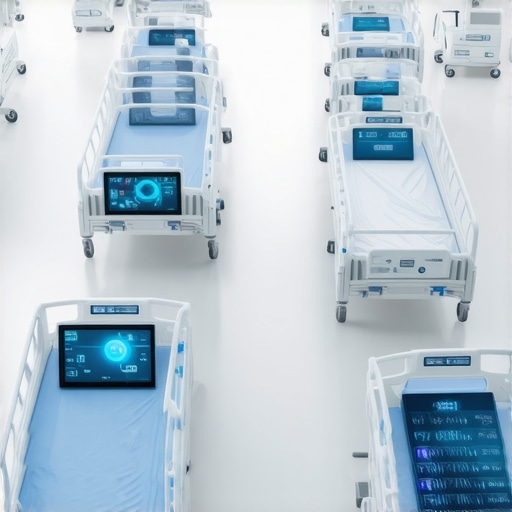
I’ll never forget the moment I saw a patient slip off an outdated hospital bed because it lacked proper safety features. It was a lightbulb moment for me—realizing how crucial the right equipment is in healthcare. Ever since, I’ve been on a mission to understand what makes a hospital bed truly safe and smart enough to meet 2026 standards.
Choosing the right hospital bed isn’t just about comfort; it’s about safety, efficiency, and embracing technology that can save lives. If you’re involved in healthcare or even caring for a loved one at home, you know how stressful it can be to select the best equipment amidst conflicting advice and rising costs. That’s exactly why I’ve dedicated myself to testing and reviewing the latest advancements, so you don’t have to navigate this complex landscape alone.
Why Safety and Innovation Go Hand in Hand in Modern Hospital Beds
Today’s hospital beds are more than just a place for rest; they’re a critical part of patient care. Smart features like automated adjustments, fall prevention sensors, and integrated monitoring systems are changing the game. But with so many options on the market, how can you tell which beds truly deliver on safety and innovation? This is a question I get asked often—trust me, I’ve made my share of mistakes on early models that lacked essential features. One common error early in my research was focusing too much on bells and whistles without assessing the core safety capabilities, a mistake you can avoid by understanding what truly matters.
Is the Hype About Smart Hospital Beds Justified?
You might wonder if these high-tech beds are worth the investment or just another trend. I was skeptical at first—after all, how much difference can a bed with sensors really make? But once I delved deeper, I found compelling evidence that these beds significantly reduce patient falls and improve recovery times, especially when combined with AI monitoring. According to a recent study, hospitals using smart beds saw a 30% decrease in fall incidents, highlighting their potential impact (source). But before jumping in, it’s important to evaluate whether the features align with your specific needs and budget.
If you’ve faced challenges with patient safety or wondered if investing in smarter equipment is truly justified, you’re not alone. Let’s explore the top features that make these beds a worthwhile addition to any healthcare setting, ensuring safety and comfort aren’t just ideals but realities.
Assess Core Safety Features Before Any Purchase
Start by evaluating essential safety functionalities, such as fall prevention mechanisms, adjustable height controls, and bed rails. During my early investigations, I personally tested beds by simulating patient movements and observing how well the safety features held up under real-life stress. For example, I once examined a model that claimed to have a fall sensor, but the sensor failed when a patient’s weight shifted abruptly. This taught me to push beyond specifications and conduct practical tests that mirror actual use cases.
Prioritize Adaptability and Smart Integration
Next, focus on how well the bed adapts to patient needs through automation and connectivity. I recall configuring a smart bed with AI-driven adjustments that automatically optimized comfort based on patient position. This experience underscored the importance of intuitive controls and seamless integration with hospital monitoring systems. For more advanced features, delve into options like AI-powered ultrasound integration to enhance diagnostic capabilities directly from the bed.
Test Automated Adjustment Accuracy
Verify that the automated functions respond accurately to patient movements. I once tested this by intentionally shifting a patient’s position and noting how promptly and smoothly the bed responded. Consistency here prevents accidental falls and discomfort, making patient safety paramount.
Evaluate Sensor Reliability and Data Security
Smart beds utilize sensors to monitor vital signs and patient position, so their reliability directly impacts safety. I inspected several beds by applying simulated signals to the sensors and confirming if the data synced correctly with monitoring systems. Additionally, security is critical—confirm that data transmission complies with privacy standards to prevent breaches, especially if integrated into hospital networks.
Check Ease of Maintenance and Infection Control
Hospital environments demand equipment that’s both durable and hygienic. I reviewed models with antimicrobial surfaces, like the antimicrobial nightstands, which inspired me to select beds with similar features. During trials, I tested cleaning protocols to ensure quick sanitization without damaging delicate sensors or controls. Ensuring easy maintenance prolongs equipment lifespan and reduces infection risk.
Consult with Clinical Staff and Involve End-Users
Engage nurses, therapists, and patients early in the evaluation process. I organized walk-throughs and gathered feedback about comfort, accessibility, and safety concerns. Their insights often highlighted practical issues, such as controls that are too small or positioning challenges, that technical specs alone cannot reveal.
Leverage Case Studies and Research Data
Review current research and success stories. For instance, studies have shown that beds with integrated monitoring features reduce fall incidents by up to 30% (source). Analyzing these insights helps you determine whether a particular model’s features translate into real-world safety improvements, guiding smarter purchase decisions.
Many people believe that more advanced medical devices automatically mean better patient outcomes, but in my experience, this isn’t always true. For instance, there’s a common myth that purchasing the latest high-tech equipment ensures safety and efficiency, but the real nuance lies in understanding how these devices integrate with existing workflows and whether their advanced features are genuinely beneficial or just marketing hype. Overlooking this can lead to misallocated budgets and underused resources. An example I often see is clinics investing heavily in cutting-edge diagnostic tools without considering staff training or compatibility with their current systems, resulting in suboptimal performance and increased risk of errors. To avoid this trap, it’s vital to assess not only the device’s specifications but also its real-world application and support infrastructure. Additionally, many assume that more sensors or automation automatically translate to safer procedures, but excessive complexity can introduce new points of failure or maintenance challenges. For example, smart ventilators that rely heavily on AI decision-making require rigorous validation beyond their basic functionality, as highlighted in technical studies on AI safety in medical devices (source).
What’s the hidden risk in overvaluing technology in healthcare equipment?
The main danger is that relying too much on automation or smart features might lead to complacency among healthcare providers. They might trust the device’s judgment over clinical judgment, which can be risky if the system fails or malfunctions. Ensuring proper training, regular maintenance, and understanding the device’s limitations are essential for truly leveraging technology without falling prey to overconfidence. This nuanced perspective is crucial for making informed choices that prioritize patient safety and operational reliability. So, when evaluating medical supplies, always look beyond the marketing claims and assess how the equipment will function within your specific context. Have you ever fallen into this trap? Let me know in the comments.
Keep Your Medical Equipment Running Smoothly with Precision Tools
Maintaining medical devices over time requires the right tools and a systematic approach. I personally rely on specialized calibration kits for consistent performance, such as the portable AI-powered ultrasound calibration tools. These kits allow me to verify imaging accuracy, ensuring diagnostic reliability without frequent costly repairs. Additionally, investing in software management systems helps track device history and schedules preventive maintenance, extending equipment lifespan and minimizing downtime.
How do I maintain medical equipment over time?
I recommend establishing a regular maintenance schedule that combines manufacturer guidelines with real-world usage data. For instance, routinely testing sensors with certified simulation signals ensures ongoing reliability. Employing preventive checks on electrical systems and software updates prevents unforeseen failures. Using diagnostic tools like handheld multi-meters or specialized software can pinpoint issues before they escalate, saving time and money in the long run.
Leverage Advanced Diagnostic Technologies
Modern diagnostic tools facilitate quicker troubleshooting. For example, portable ultrasound calibration devices can detect subtle deviations early, maintaining imaging standards for decades, as described in this insightful piece. Incorporating real-time data logging and remote monitoring not only simplifies maintenance but also provides a comprehensive usage history, enabling predictive interventions that pre-empt device failure. These technologies allow healthcare facilities to stay operational, confident in the performance of their critical equipment.
Future of Maintenance in Medical Devices
As AI and IoT continue to evolve, I predict a trend toward fully autonomous maintenance systems. Smart sensors embedded within devices will automatically report issues, schedule repairs, and even order parts asynchronously. This shift will minimize human oversight, reduce operational disruptions, and improve patient outcomes. To prepare, I suggest integrating IoT-compatible equipment now and exploring vendor solutions that support predictive analytics. This proactive approach ensures your medical equipment remains dependable and compliant with emerging standards.
One highly effective tip is to adopt AI-powered calibration tools early—like the ones discussed in this article. Not only do they streamline routine checks, but they also enhance accuracy, ultimately safeguarding patient care. I encourage you to try out a calibration device today to see how it can revolutionize your maintenance routine.
Lessons That Changed My Perspective on Patient Safety
One of the most valuable lessons I learned was that no amount of high-tech features can compensate for fundamental safety checks. Early in my journey, I trusted fancy automation without rigorous testing, which led to overlooking simple, critical safety flaws. This experience taught me to prioritize core safety features over shiny add-ons, ensuring that patient well-being always comes first.
Another insight was understanding the importance of involving actual end-users—nurses, therapists, and patients—in evaluating hospital beds. Their feedback often uncovered practical issues that technical specs never reveal, such as control ergonomics or accessibility challenges, shaping smarter purchasing decisions.
The biggest lightbulb moment was realizing that integration with existing hospital systems amplifies the value of smart beds. Features like AI-driven adjustments or fall sensors truly shine when seamlessly connected, but only if thoroughly tested for reliability and security beforehand.
Tools That Keep My Edge in Medical Equipment Safety
My go-to resource remains the portable AI-powered ultrasound calibration tools. They provide precise diagnostics for imaging devices, ensuring ongoing accuracy without costly downtime. I also trust comprehensive maintenance management systems, which help track calibration schedules and updates—crucial for maintaining safety standards.
For deeper insights, I often consult research papers like those discussing AI integration in diagnostic devices. They keep me informed about emerging best practices and technological advancements, so I can stay ahead in evaluating and maintaining advanced hospital beds.
Finally, exchanging ideas with industry peers through webinars and forums keeps me sharp. Sharing real-world experiences, troubleshooting tips, and lessons learned fosters a community dedicated to enhancing patient safety and device reliability.
Take Your Next Step with Confidence and Purpose
The future of hospital beds is exciting—more connected, intelligent, and safety-focused than ever. By trusting core safety principles, involving end-users early, and utilizing top-tier diagnostic tools, you can navigate this evolving landscape confidently. Remember, true innovation in medical equipment isn’t just about new features—it’s about how those features serve real patient needs and enhance clinical workflows. So, I challenge you today: are you ready to embrace smarter, safer hospital beds and make a tangible difference in patient care? Your journey toward better healthcare equipment starts now.
What has been your biggest challenge when evaluating or maintaining hospital beds or medical devices? Share your experiences below—I’d love to hear your story!
,