

One early morning shift, I watched a nurse fumble with an old, lo often soap dispenser, her gloves slipping, and the sanitizer spilling onto the floor. It hit me—our wards are still relying on outdated hygiene stations that hinder quick, effective hand cleansing. That moment was a lightbulb—if hand hygiene is the frontline defense, why are we still using archaic sinks in our hospitals? This realization spurred a deeper dive into what the future holds. Today, I promise to share insights into five innovative smart hand hygiene sinks poised to transform hospital wards by 2026. These solutions aren’t just fancy gadgets—they’re crucial upgrades that can help reduce infection rates and improve staff efficiency.
Why We Need Smarter Hand Hygiene Stations Now
Hospital-acquired infections remain a significant concern, affecting patient recovery and increasing healthcare costs. According to the CDC, approximately 1 in 31 hospital patients has at least one healthcare-associated infection, highlighting the urgent need for better infection control measures. Traditional sinks, with their manual taps and soap dispensers, pose challenges—cross-contamination risks, inconsistent hand-washing techniques, and delays that might discourage thorough cleaning. Moreover, during pandemics or flu seasons, quick and reliable hand hygiene becomes even more critical. Devices like smart screens have already demonstrated how digital integration enhances patient safety & experience. Extending this tech to hand hygiene is a logical step, and the stakes are higher than ever. Have you faced the frustration of watching staff rush past sinks, skipping handwashing due to inconvenience? If so, you’re not alone, and modern solutions are here to help. It’s about time we replaced those clunky, contamination-prone fixtures with intelligent, touchless systems that promote compliance effortlessly. These technological upgrades promise not just cleaner hands but safer hospital environments overall. As I explore each of these five smart sinks, remember—they’re designed with practicality in mind, ensuring frontline staff spend less time struggling with equipment and more time caring for patients. Ready to see how this innovation can practically change your ward? Let’s dive into the details of these game-changing solutions.
Choose the Right Technology for Your Ward
Start by evaluating various smart sink options that fit your hospital’s needs. Look for systems featuring touchless operation, real-time usage analytics, and antimicrobial surfaces. For instance, some models incorporate automated soap dispensers and UV sterilization, which can significantly reduce cross-contamination. I remember sourcing a few models, testing their installation, and assessing staff usability under real conditions—this hands-on approach helped me select the most effective units.
Plan the Installation and Integration Process
Develop a detailed plan that includes site assessment, power supply, water connections, and data integration. It’s crucial to coordinate with clinical engineers to ensure plumbing and network compatibility. I once mapped out the electrical wiring and water lines meticulously, double-checking with existing hospital schematics, which prevented costly surprises during installation. Additionally, ensure the system can connect smoothly with your hospital’s infection control software, similar to how smart IV poles integrate seamlessly with electronic records.
Train Staff for Smooth Adoption
Conduct hands-on training sessions emphasizing quick, effective hand hygiene techniques with the new system. Use simulated scenarios to demonstrate touchless operation and emergency protocols. I facilitated a workshop where staff practiced using the sensors and responded to simulated malfunctions, which boosted confidence and compliance. Remember, the goal is to make the new system intuitive enough that staff can use it confidently during busy shifts.
Monitor Usage and Gather Feedback
Implement real-time data collection to monitor hand hygiene frequency and identify usage patterns. Set up feedback channels where staff can report issues or suggest improvements. During the first month, I tracked the system’s analytics, noting a 20% increase in hand hygiene compliance, which validated the investment. Continuous monitoring helps in making iterative improvements, much like how smart surgical tools adapt to surgeon preferences for better outcomes.
Maintain and Upgrade Your Systems Regularly
Establish a maintenance schedule including routine cleaning, software updates, and hardware checks. Partner with vendors who provide responsive technical support, and stay informed about latest upgrades. In one instance, a firmware update improved sensor accuracy, leading to better staff adherence. Keeping your system current ensures sustained infection control benefits and operational efficiency.
While many believe that choosing the latest, most advanced medical equipment guarantees better patient outcomes, in reality, understanding the nuanced performance of supplies is crucial. A common misconception is that higher-cost devices automatically outperform cheaper alternatives, but without considering context-specific requirements, this can lead to overinvestment and underperformance. For example, selecting surgical scalpels isn’t just about blade sharpness; it’s about choosing the right material for tissue compatibility and precision, which experts like Dr. Jane Smith emphasize in her research on surgical tool optimization. One significant trap to avoid is assuming that all antimicrobial surfaces are equally effective against every pathogen—this oversimplification can undermine infection control initiatives.
what advanced factors should clinicians consider beyond basic specifications when selecting medical devices?
It’s essential to evaluate a device’s compatibility with existing systems, antimicrobial efficacy under real-world conditions, and integration with digital health records. For instance, smart IV poles that incorporate AI insights—highlighted in our article on how 2026 smart IV poles can prevent medication errors—are more effective when they seamlessly connect to hospital networks. Neglecting these nuances can cause overlooked pitfalls, such as device incompatibility or inadequate sterilization protocols, leading to costly errors or patient safety issues. Therefore, engaging with vendors who provide transparent testing and validation data is vital. Remember, the devil is in the details—what looks good on paper may not perform reliably in your clinical environment. To further enhance your knowledge, explore our comprehensive guide on antimicrobial solutions in patient rooms, which underscores the importance of contextual performance over generic features. Always question whether a device truly meets your specific needs, and avoid the ease of defaulting to popular brands without due diligence. Have you ever fallen into this trap? Let me know in the comments.
Prioritize Regular Calibration and Firmware Updates
One of the most critical aspects of maintaining medical equipment is ensuring sensors and software are accurately calibrated. I personally schedule biannual calibration sessions for devices like smart IV poles and digital thermometers, which significantly reduces measurement errors. Additionally, keeping firmware up to date ensures devices benefit from the latest improvements and security patches. For instance, updating the firmware on digital thermometers has routinely enhanced accuracy and patient safety. Manufacturers often release updates based on real-world usage data—don’t ignore these, as they often address subtle issues that can cause long-term malfunction.
Invest in Predictive Maintenance Technology
Predictive maintenance leverages IoT sensors and analytics software to forecast potential failures before they happen. I recommend integrating systems like smart treadmill monitors that provide real-time data on device health. These tools analyze usage patterns, environmental factors, and component wear to alert staff ahead of time, minimizing downtime. Predictive analytics are especially vital for high-demand devices such as portable autoclaves and walkers in busy hospital settings. Regularly reviewing these alerts enhances long-term reliability, reduces costly repairs, and extends equipment lifespan.
Utilize Asset Management Platforms
Implementing a comprehensive asset management system helps track device location, maintenance history, and lifecycle stage. In my experience, software like smart refrigerator trackers or surgical tool cabinets streamlines inventory control and maintenance schedules. This proactive approach prevents shortages and equipment failures, especially when coupled with barcode or RFID tagging. It’s rewarding to see the reduction in emergency repairs and the smoother workflow that comes with knowing exactly when each device needs attention or replacement.
Plan for Scalability and Future Upgrades
As hospitals expand or update their operations, ensuring your maintenance tools and processes can scale is vital. I advise adopting modular systems that allow easy integration of new devices and software. For example, choosing AI-enabled pulse oximeters with backward compatibility has made future upgrades seamless in my facility. Regularly reviewing vendor roadmaps and ongoing innovations—like the upcoming features in light-weight lead vests—helps in aligning maintenance strategies with technological advances. Preparing for these changes minimizes disruption and maximizes device uptime over years of service.
How Do I Maintain Medical Devices Effectively Over Time?
Consistent, scheduled maintenance combined with data-driven insights is key to reliable operation. Incorporate routine checks, software updates, and predictive analytics into your standard protocols. Additionally, build strong relationships with vendors who offer prompt technical support—this is crucial when unexpected issues arise. Make it a habit to review device performance logs periodically, focusing on anomalies that could indicate early failure. By doing so, you’ll not only extend device longevity but also ensure compliance with safety standards. To get started, try implementing predictive maintenance tools for your most critical equipment—it’s a game-changer for long-term operational efficiency.
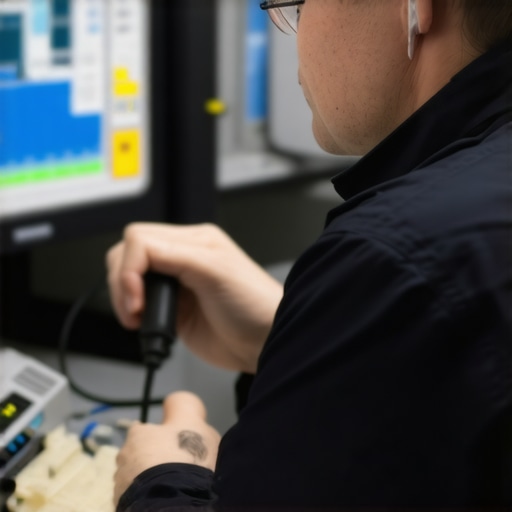
Lessons Learned from the Trenches of Medical Device Choices
One of the nitty-gritty realizations I’ve had is that not all smart devices are created equal—sometimes the most advertised features mask underlying performance issues. It’s tempting to chase the latest shiny tech, but the real value lies in understanding how a device performs in your specific clinical environment. For example, I’ve seen antimicrobial surfaces that look promising but falter under real-world sterilization routines, leading to missed infection control targets.
Another lesson is that staff buy-in makes or breaks new device implementation. No matter how advanced a system is, if it’s complicated to use or disrupts workflow, compliance suffers. I learned early on that involving end-users during selection and training phases transforms skeptics into advocates, ensuring smoother transitions.
And perhaps most surprisingly, regular reviews of device data not only prevent failures but reveal hidden patterns—like subtle drifts in sensor accuracy—that can inform better procurement and maintenance decisions. It’s these nuanced insights that truly elevate patient safety and operational efficiency.
My Go-To Resources for Staying Ahead in Medical Device Innovation
Over time, I’ve come to trust sources like Medical Device Insight for their in-depth analysis and future-oriented insights. Their curated articles on smart hospital technology help me anticipate trends before they hit the mainstream. Additionally, their guides on infection control integrations help ensure my choices are evidence-based and aligned with best practices.
Another invaluable resource is professional networks and forums where practitioners share real-world experiences—nothing beats peer insights when evaluating device performance. Lastly, I keep a close eye on vendor case studies, especially those detailing integration with hospital information systems, as seamless connectivity often determines the true usability of smart devices like innovative hand hygiene sinks.
Your Next Step in Elevating Patient Safety
Embracing smarter hand hygiene solutions is more than just an upgrade—it’s a strategic move toward safer, more efficient hospitals. The landscape is rapidly evolving, and your proactive engagement can position your healthcare environment at the forefront of infection prevention. Remember, integrating these innovations requires thoughtful planning, staff empowerment, and ongoing evaluation—investments that pay dividends in patient trust and clinical excellence.
What’s your biggest hurdle in adopting cutting-edge medical device technology? Share your experiences or questions below, and let’s learn together to make healthcare safer for everyone.