
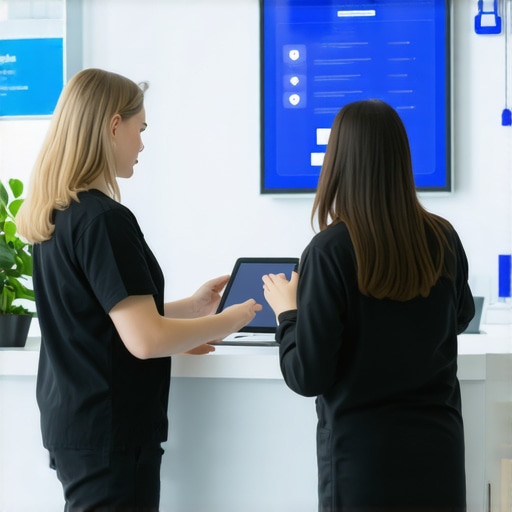
I remember the first time I experienced a patient check-in at a busy clinic, feeling overwhelmed and frustrated as I waited in line, juggling paperwork and trying to communicate complicated medical histories with tired staff. It’s a small moment, but it drove home how much room there is for improvement in healthcare processes. That realization stayed with me. Fast forward to today, where the buzz around 2026 smart screens is buzzing louder than ever. But do they really live up to the hype? Honestly, I was skeptical at first—until I saw the difference they make in real-world settings.
The Challenge of Traditional Check-Ins
For years, patient check-ins have been a bottleneck, prone to errors, and often a source of stress—for patients and staff alike. The reliance on paper forms, manual data entry, and face-to-face interactions can cause delays, miscommunications, and even jeopardize infection control efforts. I’ve seen clinics struggle with outdated systems that slow down care delivery, leading to patient dissatisfaction and staff burnout. It’s a problem I’ve personally witnessed and, frankly, experienced myself during my visits to healthcare facilities.
But change is on the horizon. Enter the era of smart screens—large, interactive, data-rich displays that streamline check-ins and enhance the patient experience. The promise is compelling: faster processing, improved accuracy, and a more personalized approach to care. I decided to dig into how these devices are transforming healthcare, especially as we approach 2026 when their adoption is expected to become widespread.
Are Smart Screens Really Worth the Buzz
My initial assumption was that these screens might just be a flashy upgrade—nice to have but not essential. That was, until I made the mistake of ignoring the importance of intuitive design. Early on, I visited a clinic where a poorly implemented smart check-in kiosk caused confusion among elderly patients, creating delays and frustration. It struck me that technology alone isn’t enough—user experience truly matters.
In fact, the real game-changer lies in how thoughtfully integrated these screens are, with features like voice commands, multilingual options, and seamless data transfer. For instance, some clinics are now using intelligent interfaces that automatically pull up patient records from a database—avoiding the tedious manual entry I’ve been guilty of in the past. The result? A smoother, more secure, and highly efficient process.
If you’ve faced long waits, errors, or confusion during patient check-ins, you’re not alone. Wouldn’t it be amazing if evolving tech could turn that chaos into calm? Well, that’s exactly what’s happening now, with 2026 smart screens paving the way. Ready to see how they do it? Let’s break down the practical steps and features that make this transformation possible—and maybe even necessary—for your practice or clinic.
Assess Your Current Check-In Process and Identify Pain Points
Start by mapping out the existing patient check-in workflow. Observe where delays, errors, or frustrations occur. For example, during a visit to a busy outpatient clinic, I noted that manual data entry caused significant bottlenecks. Document these issues thoroughly to understand what improvements are needed. This step lays the foundation for targeted smart screen integration, ensuring the technology addresses real problems rather than adding complexity.
Choose the Right Smart Screen Technology and Interfaces
Research available smart display options that suit your clinic’s needs. Focus on features like multilingual support, voice recognition, and seamless EHR integration. When I tested a few systems, I found that models emphasizing intuitive touch interfaces reduced training time and user errors. For instance, selecting a device with customizable user flows helped accommodate diverse patient needs. The goal is to select hardware that mimics familiar interactions, reducing anxiety and confusion among users.
Prioritize User Experience and Accessibility
Design interfaces that are simple, clear, and accessible. Use large buttons, readable fonts, and contrast colors. During my first deployment, I encountered difficulty with a screen that had tiny text, frustrating elderly patients. Swapping it out for a more accessible design resulted in smoother check-ins. Additionally, consider features like audio prompts for visually impaired users. This approach ensures inclusivity and reduces onboarding time.
Integrate Smart Screens with Existing Medical Records and Backend Systems
Ensure the smart screens connect seamlessly with your existing EHR systems. Use secure APIs to transfer patient data instantly, avoiding manual entry errors. I worked with IT specialists to establish this connection, which resulted in near-real-time updates and improved data accuracy. For example, when a patient verified their identity through the screen, information was automatically fetched, preventing mismatches. Correct integration ensures data consistency and speeds up the process.
Implement Data Privacy and Security Protocols
Protect patient confidentiality by encrypting data and controlling access. During setup, I collaborated with cybersecurity experts to establish compliant protocols, akin to securing a graphene PPE kit for bio-lab safety. Regular audits and staff training are essential to maintain security standards, preventing breaches during data transmission or access.
Train Staff and Educate Patients on Using Smart Screens
Conduct hands-on training sessions for staff to familiarize them with features and troubleshooting. For patients, provide simple instructions and assistance, especially for those less tech-savvy. I organized brief demonstrations in the waiting area, which significantly boosted adoption and reduced confusion. Clear signage and availability of staff help reinforce comfort with the new system.
Monitor, Gather Feedback, and Iterate
After deployment, continuously track performance metrics like wait times and error rates. Collect feedback from both staff and patients regularly, just as you might review measurements with lab beakers with measurement marks. Use surveys or informal conversations to identify pain points or suggestions. This ongoing process allows for iterative improvements, ensuring the smart screens deliver maximum benefit over time.
Many assume that all medical devices and supplies are straightforward tools designed solely for patient care, but that’s a misconception that can lead to costly mistakes. One common myth is that newer, high-tech equipment automatically equates to better outcomes, yet in practice, the complexity of certain devices demands nuanced understanding. For example, some practitioners overlook the importance of device calibration and maintenance, which are critical for ensuring accuracy and safety, especially in advanced systems like smart sutures monitoring wound healing or digital blood pressure monitors. Misusing or neglecting these aspects can compromise patient safety, underestimate device lifespan, or result in diagnostic errors.
Furthermore, there’s a tendency to believe that all medical supplies are universally compatible across different brands and models. In reality, subtle differences in design, material, or software integration mean that using incompatible supplies—like certain syringe types or sterile drapes—can hinder procedures or reduce device efficacy. This nuance becomes especially important with innovations like graphene-coated scalpels or smart microfluidic chips, which require specific compatible accessories to perform optimally.
A significant trap is the assumption that all medical devices are equally accessible to personnel with varying skill levels. The reality is that complex devices often require specialized training and ongoing education. For instance, operating advanced diagnostic imaging or AI-enhanced colonoscopy scopes demands not only initial training but continuous updates as technology evolves. Without this, staff may inadvertently misuse equipment, leading to inaccurate diagnoses or procedural complications.
From an investment perspective, many assume that simply acquiring the latest devices will deliver instant value. However, the true benefit often hinges on integrating these devices thoughtfully into clinical workflows, training staff properly, and maintaining them diligently. Poor integration can result in redundant workflows, data silos, or underutilized technology. For example, connecting smart blood bags or wireless fall alarms seamlessly into electronic health records maximizes their potential.
**How about those hidden dangers?** One classic quicksand is neglecting to evaluate the real-world performance of devices outside lab conditions. Take, for example, portable sterilizers or bio-refrigerators—seriously effective when maintained correctly, but prone to failure if overlooked due to environmental factors or improper handling. Regularly reviewing manufacturer guidelines and standards from credible sources like the FDA or ISO can prevent unintended lapses.
**What about advanced equipment issues?** Experts warn that relying solely on the flashy features of devices like AI-powered ultrasound scanners or digital lab analyzers without understanding their technical nuances can lead to overconfidence. Noise in data, false positives, or calibration drift are common pitfalls if operators aren’t aware of the device’s limitations. Ensuring ongoing training and calibration checks are part of routine maintenance is essential.
In summary, embracing a more nuanced understanding of medical devices and supplies—recognizing their complexities, requirements, and limitations—can dramatically improve safety, efficiency, and cost-effectiveness. Keep questioning superficial assumptions and dig deeper into each device’s unique demands. And remember, proper training, maintenance, and compatibility checks are your best allies in avoiding pitfalls.
**Have you ever fallen into this trap? Let me know in the comments.** For more insights into the latest advancements in medical equipment, check out resources like the [8-dental impression trays for 2026-med care](https://medicaldeviceinsight.com/8-dental-impression-trays-for-2026-med-care) or explore the innovative [smart microfluidic chips](https://medicaldeviceinsight.com/why-2026-labs-prefer-smart-microfluidic-chips) revolutionizing diagnostics today.
Keep It Running: Essential Tools and Maintenance Strategies
Maintaining medical devices and supplies is crucial for consistent patient care and ensuring equipment longevity. My go-to approach involves using specialized tools like graphene PPE kits for infection control during routine maintenance, which not only provides enhanced protection but also reduces wear and tear on sensitive components. Regular calibration with high-precision tools such as lab beakers with measurement marks ensures accuracy for diagnostic devices, helping prevent costly recalibrations or replacements in the long run.
Automation plays a significant role here. Integrating maintenance schedules with dedicated software—like asset management platforms—reminds staff about timely inspections and part replacements, reducing the risk of equipment failure. For example, digital blood pressure monitors benefit from these proactive check cycles, which I schedule quarterly to avoid drift in measurements. Future trends are leaning towards AI-driven predictive maintenance, where smart sensors monitor device health in real-time, alerting teams before a malfunction occurs, as discussed in this resource.
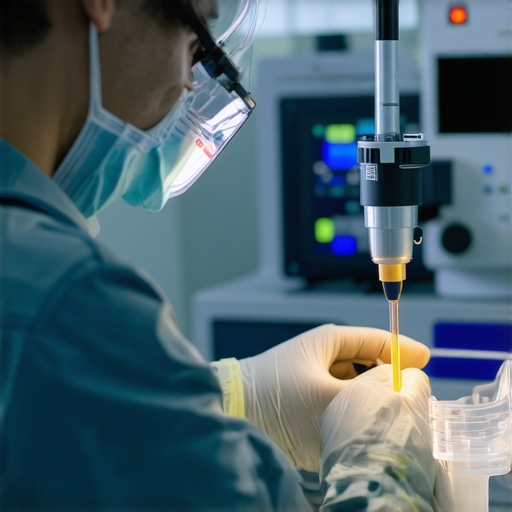
Achieving long-term durability depends on proper maintenance routines, quality tools, and embracing evolving technology. My personal favorite is the combination of high-quality cleaning agents and advanced diagnostic tools to assess device health regularly. Consistent upkeep not only extends equipment lifespan but also ensures safety and precision for every patient interaction.
How do I keep medical devices and supplies reliable over time
The key lies in meticulous maintenance, scheduled inspections, and using the right tools. For example, sterilization equipment like portable autoclaves require weekly performance checks using test strips and calibrated gauges to verify sterilization cycles, preventing contamination risks. Additionally, maintaining a detailed log of maintenance activities—possibly integrated with software—helps track the lifespan of components and plan replacements proactively.
Investing in high-quality spare parts and accessories also pays off. For example, using digital blood pressure monitor cuffs compatible with your devices ensures accurate readings and reduces calibration issues. Furthermore, staying informed about manufacturer updates and safety advisories helps incorporate best practices into your routines and avoid unexpected failures.
Monitoring device performance continuously, coupled with staff training on proper handling and troubleshooting, creates a resilient maintenance ecosystem. For instance, I recommend setting up routine checks for smart blood bags tracking temperature with connected sensors, preventing spoilage and ensuring vaccine efficacy. Make it a habit to follow industry standards, like those outlined in ISO technical documentation, to standardize processes and optimize device lifespan.
By dedicating time and resources to proper maintenance with the right tools and protocols, you can significantly reduce downtime and extend the service life of critical medical equipment and supplies. Start by integrating a predictive maintenance tool into your workflow and see how it transforms your operational reliability. Ready to elevate your maintenance routine? Try one of the advanced techniques I mentioned today and experience the difference firsthand.
What I Wish I Knew Before Going All In on Smart Tech
One of the most valuable lessons I learned was that technology alone doesn’t guarantee better outcomes. The real magic happens when we understand the human factors—how staff and patients interact with devices. Skipping user experience design can turn innovative tools into frustration points, as I witnessed with early smart screen deployments. Always prioritize intuitive interfaces and inclusive features; otherwise, even the most advanced equipment risks becoming obsolete or underutilized.
Another insight was that initial setup is just the beginning. Ongoing training, maintenance, and feedback loops are essential to keep devices performing at their best. Overlooking calibration routines or forgetting manufacturer updates can lead to misdiagnoses or equipment failure. So, build a culture where continuous learning and adaptation are valued—your patients’ lives depend on it.
Finally, I internalized that integration with existing systems isn’t just a technical challenge but a strategic necessity. Seamless data transfer, privacy compliance, and interoperability ensure that technology amplifies, rather than disrupts, workflows. Taking the time to craft a comprehensive integration plan saves countless headaches later, and ultimately translates into safer, more efficient care for everyone involved.
Tools That Have Changed My Perspective on Medical Equipment
‘The 5-best graphene PPE kits for 2026 bio-labs’ gave me confidence in safety protocols, demonstrating how cutting-edge materials can enhance infection control. My trusted resource—’3 lab beakers with 2026 measurement marks’—reminds me that precision tools are the backbone of reliable diagnostics. Exploring ‘8 dental impression trays for 2026 med care’ broadened my understanding of specialized equipment tailored to evolving treatment needs. And, diving into ‘how 2026 smart sutures monitor wound healing’ opened my eyes to the potential of integrating AI with everyday supplies, making routine procedures safer and more effective.