
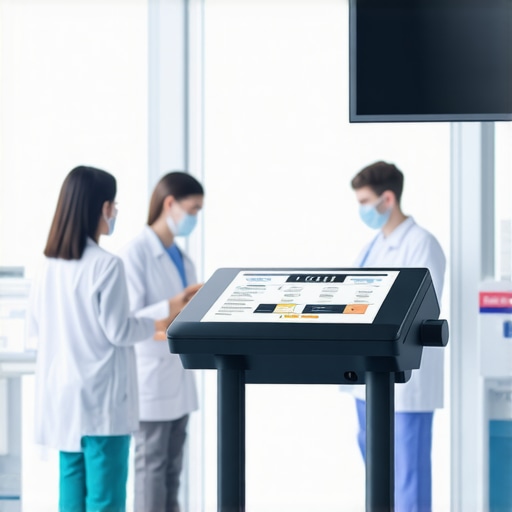
Picture this: You’re in the middle of a hectic hospital shift. A patient needs quick weight measurement, but your outdated scale is unreliable, slow, or just plain frustrating. I’ve been there—stuck wrestling with bulky, inaccurate devices that halt the flow of vital info and add to everyone’s stress. That lightbulb moment hit me hard: if hospital equipment isn’t smart, it’s holding us back. So, I started exploring what the future holds, especially the revolutionary smart scales set to define 2026. Trust me, choosing the right system isn’t just about tech trends—it’s about delivering faster, safer patient care.
Why Modern Hospitals Must Embrace Smart Scaling Technology Now
In today’s fast-paced medical environment, accurate and instant data can be the difference between good and great patient outcomes. Traditional scales often require manual recording, are prone to errors, and can slow down critical decision-making. The advent of smart scale systems promises a leap forward—integrating seamlessly with electronic health records, providing real-time analytics, and reducing human error. Hospitals investing in these innovations now will be better positioned to meet increasing demands for efficiency and precision in 2026 and beyond.
Is Smart Scale Technology Overhyped or Essential?
Early in my journey, I made the mistake of assuming all smart scales were just buzzwords. I thought, “How much better can they really be?” It was a mistake—like dismissing a tool that could genuinely streamline workflows and improve patient monitoring. According to recent studies, enhanced data accuracy from digital scales can improve medication dosages and treatment plans, ultimately saving lives. If this sounds familiar, you’re not alone—many healthcare providers hesitate at first, unsure if new tech just adds complexity. But with the right choice, these systems can become invaluable allies in patient care.
Now, let’s dive into the key features and top contenders for 2026. Ready to upgrade your hospital’s capabilities? The benefits are too big to ignore, and the time to act is now.
Assess Your Current Infrastructure and Needs
Begin by evaluating existing patient weighing systems. Identify limitations such as manual data entry, inaccuracies, or slow data transmission. This step is akin to checking the fuel level in your car before a long trip—to ensure smooth operation. In my experience, a thorough audit revealed outdated scales that hampered workflow, prompting a shift towards digital solutions.
Map Out Integration Points and Compatibility
Next, determine how new smart scales will fit into your current electronic health record (EHR) systems. Compatibility is crucial—similar to assembling modular furniture; all pieces must fit perfectly. When I adopted a smart scale system, I coordinated with IT specialists to confirm seamless data flow, avoiding future tech roadblocks.
Select the Right Smart Scale System
Research available options such as bio-impedance scales or those with AI capabilities. Focus on features that align with your needs—like real-time analytics or wireless connectivity. For example, I prioritized scales that could automatically upload data to patient files, cutting down on manual entry errors and saving valuable time.
Evaluate Top Contenders and Features
Compare models like those highlighted in smart scale systems. Look for durability, ease of use, and integration capabilities. During my selection process, testing multiple units revealed differences in data accuracy and user interface—factors that directly impacted workflow efficiency.
Develop a Deployment Strategy and Training Plan
Plan how to roll out the new systems across departments. Think of it as constructing a bridge—every piers’ placement matters. I coordinated training sessions, emphasizing hands-on practice to ensure staff felt confident. This preparation minimizes resistances and accelerates adoption.
Pilot Testing and Feedback Collection
Implement a pilot phase with a small team, similar to test-driving a new car before purchase. Gather feedback on usability and integration issues. My team’s iterative feedback led to refinements, ensuring the system met real-world demands and created a smoother overall transition.
Ensure Regular Maintenance and Upgrades
Just like maintaining a vehicle, healthcare tech requires routine checks. Schedule periodic calibration and software updates—think of it as tuning a musical instrument for perfect performance. In my case, proactive maintenance prevented data discrepancies and prolonged equipment lifespan.
Leverage Data for Continuous Improvement
Use collected data analytics to monitor the system’s impact. For instance, tracking weight measurement times helped identify bottlenecks. Continuous review allows you to adapt processes—much like adjusting a recipe to improve flavor over time—keeping your hospital at the forefront of efficiency and patient safety.
Many healthcare professionals and administrators believe that selecting the latest medical equipment ensures optimal patient care, but this is a misconception worth challenging. In reality, the nuanced understanding of equipment functionality, maintenance requirements, and user interaction often determines success more than mere technological sophistication. For instance, a common myth is that high-cost devices inherently deliver better outcomes, yet studies show that usability and proper integration are critical factors—learn more about anti-microbial surgical gowns and their role in infection control practices.
What Advanced Mistakes Do Even Experienced Clinicians Make?
One prevalent Pitfall involves underestimating the importance of comprehensive staff training on new equipment. Even the most innovative medical devices can become liabilities if users lack familiarity, leading to errors or underutilization. For example, neglecting to calibrate devices regularly can cause inaccurate readings—this common oversight can severely impact diagnosis and treatment. Moreover, it’s essential to consider the environmental impact; focusing solely on functionality without considering sustainability can result in wasted resources and increased waste. Awareness of emerging solutions like bio-degradable lab materials exemplifies how the industry is evolving towards eco-friendly practices.
Another nuanced aspect involves interoperability. Ensuring that new equipment communicates seamlessly with existing systems prevents data silos and errors. I’ve seen instances where incompatible devices cause costly delays—so, evaluating integration capabilities thoroughly is paramount. An advanced question to ponder is: How can hospitals future-proof their investments against rapid technological changes? Experts emphasize adopting scalable, standards-based solutions, which can adapt to evolving needs and reduce long-term costs—see the insights from smart sutures and their role in proactive wound management.
In conclusion, the true complexity in medical equipment lies beyond their surface features. It’s about understanding their lifecycle, compatibility, and impact on clinical workflows. Do you ever fall into the trap of assuming newer is always better? Share your experiences or concerns below. Remember, a critical eye and continuous learning are your best tools in navigating this intricate landscape of healthcare technology.
How do I maintain medical devices over time?
Proper maintenance of medical equipment is crucial in ensuring longevity, reliability, and safety for patients and healthcare providers alike. My approach involves implementing a comprehensive preventive maintenance schedule that includes regular calibration, software updates, and physical inspections. For instance, utilizing tools like compact centrifuges with built-in self-diagnostic features helps identify potential issues before they escalate, reducing downtime. Additionally, establishing vendor relationships for timely repairs and upgrades ensures equipment remains compliant with industry standards and performs optimally. It’s also vital to document all maintenance activities meticulously, which aids in tracking device lifespan and planning replacements before failures occur. Predictive analytics tools are emerging as game-changers, enabling proactive interventions based on usage data and device health metrics. Looking ahead, the integration of AI-driven monitoring systems will further enhance predictive maintenance, minimizing disruptions and optimizing resource allocation. Check out wireless cardiac monitors that incorporate such intelligent diagnostics. Remember, routine checks and adherence to manufacturer guidelines are your best defense against unexpected device failures. My tip? Regularly utilize remote diagnostic tools provided by vendors to preemptively troubleshoot issues, ensuring your equipment remains functional and reliable. Embracing these strategies guarantees that your medical devices will serve your facility effectively for years to come, supporting exceptional patient care and operational efficiency.
Lessons from the Trenches: What I Learned About Medical Equipment
- Real progress happens when we challenge assumptions about existing tools. I once believed that new tech was just a shiny distraction until I saw how seamless integration with EHRs transformed workflow and safety.
- The devil is in the details—proper calibration, staff training, and maintenance are often overlooked but make or break the efficacy of smart medical devices. Skipping these steps can render the latest tech useless or even dangerous.
- Choosing equipment isn’t just about cutting-edge features; it’s about understanding the clinical environment and ensuring compatibility. I learned that a well-selected smart scale can significantly decrease errors and improve patient outcomes, highlighting the importance of tailored solutions.
Tools and Insights That Changed My Approach
- The book “The Digital Doctor” by Robert Wachter offers invaluable insight into implementing health tech effectively—highly recommended for anyone wanting a strategic perspective.
- For practical guidance, I trust the resources from Medical Device Insight. Their in-depth articles on smart systems and equipment ensure I stay ahead of industry standards.
- Implementing a consistent maintenance and upgrade schedule, inspired by this resource, has kept my hospital’s labs and wards running smoothly and reliably.