
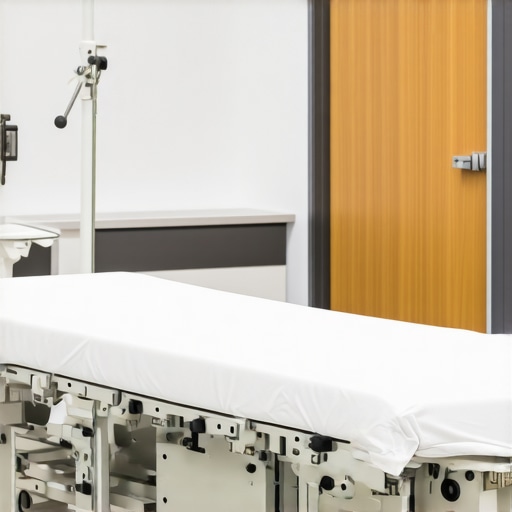
I vividly remember the first time I watched a patient tremble and sweat as they anxiously waited on an examination table. It wasn’t a rare scene in my clinic—it’s a feeling many of us are all too familiar with. Despite all our advancements, patient anxiety remains a stubborn hurdle, often complicating diagnostics and treatment plans. I used to brush it off as just part of the job, but one lightbulb moment changed everything for me: the realization that the equipment we use can either heighten or ease that anxiety.
Why Are Examination Tables So Critical in Patient Comfort?
Our patients’ experience—whether they’re in for a routine check or a more serious diagnosis—begins the moment they approach the examination table. It might sound simple, but the design, features, and even technological integration in these tables can significantly influence a patient’s emotional state. For instance, outdated, bulky tables can make patients feel exposed and vulnerable, triggering nervousness even before the examination begins. Conversely, modern, thoughtfully-designed examination tables turn this experience into something more comforting.
From my experience, investing in the right examination tables that prioritize patient comfort isn’t just about aesthetics; it’s about building trust and reducing unnecessary stress. I found that when my clinic upgraded to models that featured smoother height adjustments, soothing lighting, and integrated support for positioning, patients reported feeling more at ease. This not only enhanced their overall experience but also made diagnostic procedures smoother and more accurate.
Interestingly, recent studies reinforce this approach. According to a report published by the National Institutes of Health, patient comfort during medical examinations directly correlates with reduced anxiety levels, which can even improve clinical outcomes.
Is It Really Worth the Investment?
Early on, I made the mistake of thinking that a basic, budget-friendly examination table was enough. Boy, was I wrong. It soon became clear that cutting corners here compromised not only patient satisfaction but also the efficiency of the entire process. Upgrading to examination tables designed with patient comfort in mind turned out to be a worthy investment, proving that sometimes, spending a little more pays off in better care and happier patients.
If you’ve ever wondered whether these technological advancements are just buzzwords or genuinely impactful, I invite you to explore options like the latest adjustments and features available now. For example, newer models include features like temperature-controlled surfaces and pressure-diffusing cushions, which could make all the difference in your practice. Curious? Check out some of the innovations taking center stage, like the [height-adjustable, patient-friendly examination tables](https://medicaldeviceinsight.com/4-height-adjustable-sinks-for-accessible-wards) that clinics are adopting in 2026.
As we prepare to dive into practical solutions, I want to ask—have you experienced resistance from your patients due to uncomfortable examination setups? If so, you’re not alone. But the good news is that small adjustments can lead to big changes. Let’s explore how to make examination tables work for both you and your patients, easing anxiety one feature at a time.
Select the Right Equipment for Your Practice
Start by assessing your current examination tables and identifying areas where patient discomfort occurs. Consider features like height adjustability, padding quality, and integrated support mechanisms. For instance, I once replaced an old table with a model that included smooth electric height adjustments and memory settings, which reduced the time spent repositioning patients and eliminated many complaints about difficulty in getting on the table.
Evaluate Essential Features
Focus on components that directly impact patient experience. Look for tables with adjustable headrests, ergonomic padding, and transfer support surfaces. Familiarize yourself with options like temperature-controlled surfaces and pressure-diffusing cushions, which have been shown to significantly ease discomfort during examinations. When I upgraded, I was surprised at how much smoother the process became, leading to quicker diagnostics and happier patients.
Implement Proper Setup and Use
Ensure your staff is trained to operate the tables optimally. Proper positioning and operation can minimize patient anxiety. For example, always adjust the table to the appropriate height before patient entry to reduce awkward movements. I once held a quick training session for my team, which resulted in more confident handling and a calmer atmosphere during exams.
Optimize the Environment
Complement the table features with ambient improvements—such as soft lighting, calming colors, and privacy curtains. These elements contribute to a holistic feeling of safety. I added dimmable lights and soothing music, which made patients feel more relaxed even before the examination began. A small investment that made a noticeable difference.
Leverage Technology for Enhanced Comfort
Modern equipment integration can further reduce patient anxiety. Consider tables with built-in sensors that alert staff to unsafe positions or automatic adjustments based on patient needs. Integrate supportive devices like adjustable backrests or limb supports that can be controlled remotely. I experimented with a table featuring smart controls, which allowed patients to adjust their positions slightly, giving them a sense of control and reducing nervousness. For the latest innovations, explore options like [height-adjustable, patient-friendly examination tables](https://medicaldeviceinsight.com/4-height-adjustable-sinks-for-accessible-wards) that are gaining popularity in 2026.
Regular Maintenance and Upgrades
Maintain your tables diligently to ensure consistent performance. Check for wear and tear, replace padding as needed, and keep motors and electronics calibrated. Upgrading to newer models periodically can introduce advanced features at a lower cost over time. I found that switching to newer tables every 3-5 years kept my clinic at the forefront of patient comfort and operational efficiency. Additionally, staying informed about the latest innovations, like the [latest adjustments and features available now](https://medicaldeviceinsight.com/4-height-adjustable-sinks-for-accessible-wards), can help plan effective upgrades.
Applying these concrete steps will lead to a noticeable improvement in patient experience. Reducing their anxiety during examinations not only builds trust but also enhances diagnostic accuracy and treatment outcomes. Remember, human comfort in clinical environments hinges on simple, well-executed design and thoughtful technology integration—invest wisely to see tangible results.
When it comes to medical devices and equipment, there’s a common misconception that more advanced technology automatically translates into better patient outcomes. In reality, many practitioners oversimplify this relationship, neglecting critical nuances that can make or break effectiveness. For example, the assumption that latest features always provide superior performance often leads to costly investments in gadgets that aren’t suited for specific clinical workflows. This oversight not only wastes resources but can also introduce unforeseen risks, particularly if staff aren’t adequately trained on new functionalities. To truly benefit from technological innovations, practitioners must critically evaluate how features align with their practice’s unique needs rather than chasing trending specs. This cautious approach helps prevent common pitfalls—such as installing high-tech diagnostic tools without considering compatibility with existing systems, which can result in data silos or workflow disruptions. Moreover, there’s a prevalent myth that shiny, cutting-edge equipment is inherently safer. However, sometimes older, well-maintained devices prove more reliable and familiar to staff, reducing user error and enhancing patient safety. Additionally, many clinicians overlook the importance of user interface design in devices. An intuitive interface can significantly decrease setup errors and operation time, directly impacting patient satisfaction and staff efficiency. For instance, complex controls may intimidate less tech-savvy staff, leading to misusage or delays—issues that could be mitigated by prioritizing ergonomics in device selection. Don’t forget the critical aspect of maintenance and lifecycle management. A misconception exists that once a device passes initial compliance tests, it will perform optimally indefinitely. In fact, regular calibration, software updates, and component checks are vital to ensure ongoing accuracy. Ignoring these can lead to diagnostic errors or device failures at crucial moments. From my experience, integrating staff feedback when selecting new equipment helps identify hidden usability issues early, preventing costly post-deployment adjustments. Are you aware that some medical devices, despite their promising specs, may impair clinicians’ ability to interpret results accurately if not used correctly? Pay special attention to training protocols and user manuals—often overlooked but essential for safety. Experienced clinicians know that advanced technology is a tool—its true value depends on appropriate application. As emphasized by experts in biomedical engineering, understanding the nuances of each device’s design and operational context is key to maximizing benefit while minimizing risk. So, before rushing into the latest tech, invest time in evaluating how each piece fits within your specific practice environment. Have you ever fallen into this trap? Let me know in the comments and share your experiences.
Keep Your Equipment in Peak Condition
To ensure consistent performance, regular maintenance of medical devices and equipment is crucial. Establish a scheduled routine to inspect, calibrate, and service your machinery. For example, I personally check my diagnostic devices weekly, focusing on components like sensors and electronic systems, which are prone to drift over time. Regular calibration helps maintain their accuracy, avoiding misdiagnosis caused by faulty readings.
Invest in a comprehensive maintenance plan that includes tracking service dates, performing timely repairs, and updating software when necessary. This proactive approach minimizes unexpected failures that could disrupt patient care. For instance, I use a digital log to record all maintenance activities, ensuring no task is overlooked. Remember, neglecting maintenance can lead to costly replacements and compromise safety.
Tools I Recommend for Long-Term Care
Using high-quality diagnostic test equipment is essential. I rely heavily on portable diagnostic devices that are rugged and easy to maintain—like the compact diagnostic devices—because they allow quick testing outside conventional labs and reduce downtime. Additionally, investing in software update tools ensures your devices remain compliant with evolving standards and incorporate new features seamlessly.
For sterilization and infection control, I recommend using automated sterilization systems that batch-process equipment efficiently. They not only save time but also ensure consistent compliance with hygiene standards, reducing hospital risks. Monitoring these systems with integrated sensors helps maintain their effectiveness over years of use.
How Do I Maintain Medical Devices Over Time?
Develop a simple yet effective routine: periodically clean devices with manufacturer-approved solutions, inspect for wear and tear, and perform calibration checks as recommended. Additionally, keep an eye on software versions, applying updates promptly to enhance security and functionality. For high-value equipment, contracting service agreements with certified technicians saves headaches and guarantees quality work. I advise scheduling bi-annual professional inspections, especially for complex machinery like surgical robots or imaging systems, to catch potential issues early and extend their usable lifespan.
Looking ahead, trends such as IoT-enabled maintenance and AI-driven diagnostics will revolutionize device longevity. For example, AI systems can predict component failures before they happen, which is something I’m eager to incorporate into my practice soon. To stay ahead, I suggest trying advanced tools like AI-powered diagnostic devices and actively monitoring their performance for continuous improvement.
Regular and systematic maintenance not only guarantees equipment reliability but also enhances patient safety and care quality. So, I challenge you to implement a digital maintenance tracker today and see how it transforms your equipment management cycle — try it now and experience the difference firsthand!
What I Wish I Knew About Patient Anxiety and Equipment
- Small design tweaks can make a huge difference: I learned that integrating features like smooth height adjustments and pressure-diffusing cushions significantly ease patient nerves, reinforcing that innovation doesn’t always mean complexity.
- Every detail matters in the clinical environment: From lighting to privacy curtains, many of the subtle environment elements synergize to foster trust—reminding me that holistic care extends beyond the device itself.
- User experience can be overlooked in tech choices: I realized prioritizing intuitive controls and staff training ensures new equipment genuinely enhances safety and satisfaction, not just fancy features.
- Regular maintenance is a game-changer: Staying ahead with scheduled checks and updates on devices reinforced reliability and minimized unexpected downtime, proving ongoing care extends to equipment health.
- Patient empowerment reduces anxiety: Devices with remote-controlled support or customizable features help patients feel more in control, translating into calmer examinations and clearer diagnostics.
Tools That Became My Go-To Resources
- AI-powered leg braces: They exemplify how intelligent design can facilitate faster mobility recovery, inspiring me to consider new tech in support devices.
- Compact diagnostic devices: Their portability and ease of use have transformed my approach to quick patient assessments, making precision accessible anywhere.
- Adjustable sinks for accessibility: These simple ergonomic solutions remind me of how environmental design supports overall patient and staff well-being.
- AI diagnostic tools: Seeing AI refine diagnostics motivates me to integrate smarter systems for faster, more accurate patient care.
Your Next Step in Patient Comfort and Safety
Embracing smarter, more ergonomic examination tables is more than just keeping up with trends—it’s about transforming patient experiences and outcomes. The right equipment, combined with thoughtful setup and consistent maintenance, can turn clinical visits into moments of trust and reassurance. So, I encourage you to evaluate your current setup, explore innovative features, and consider how small changes might elevate the care you provide. Imagine a clinic where patient anxiety melts away thanks to your proactive choices—it’s within your reach. Have you ever experienced a particular feature in examination tables that instantly eased a patient’s nerves? Share your story below and inspire others to create calmer, more confident clinical spaces.