
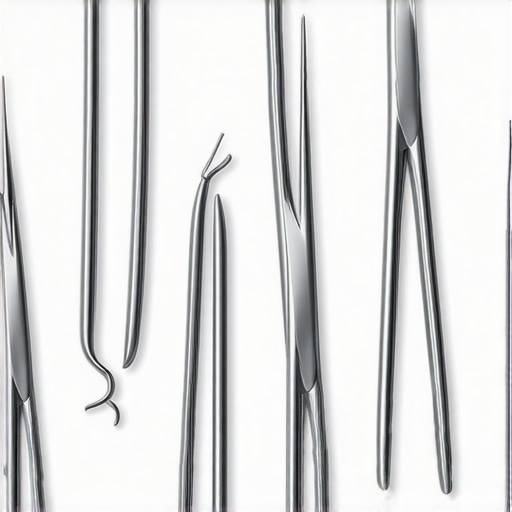
I vividly recall a bustling morning in the operating room when I felt an unfamiliar twinge in my wrist after a string of complicated surgeries. At first, I brushed it off as fatigue, but over time, the discomfort grew into persistent pain that seemed to slow me down—and honestly, it was downright discouraging. That was my lightbulb moment: realizing that the tools I relied on daily weren’t designed with ergonomic comfort in mind. It’s a common plight among surgeons and medical professionals who spend hours gripping the same instruments, often leading to wrist strain and fatigue.
Why Failing to Prioritize Ergonomic Tools Can Backfire
Over the years, I’ve seen many colleagues suffer the consequences of neglected ergonomics, from minor soreness to chronic injuries that can interrupt careers. The truth is, using standard hemostats and forceps that aren’t designed for comfort can greatly increase wrist strain—a factor that often goes unnoticed until it becomes a serious issue. Recent studies suggest that prolonged wrist extension and repetitive gripping movements significantly contribute to musculoskeletal disorders among surgeons, with some research indicating up to 60% of surgeons experience wrist discomfort at some point in their careers. Fortunately, advancements in medical tool design now offer solutions that can make a tangible difference.
Is Investing in Ergonomic Hemostats Really Worth It?
Honestly, I’ve made my share of mistakes early on—purchasing cheaper, less ergonomic options because I thought they would suffice. The result? Faster fatigue, more discomfort, and a less precise grip. It’s only after switching to ergonomically optimized hemostats that I truly felt the improvement. These tools, designed thoughtfully, reduce strain and boost precision, making your day smoother and less painful. If you’re tired of feeling the burn after long procedures, then this is an investment worth considering. For more insights into cutting-edge surgical tools, you might find exploring efficient surgical instruments helpful. Now, let’s delve into how you can choose and implement ergonomic hemostats that fit your needs.
Assess Your Needs and Hand Size
Start by evaluating the specific types of procedures you perform and your hand dimensions. Ergonomic hemostats come in various sizes and grip patterns. Remember, a tool that’s comfortable for one surgeon might not suit another—think of it as choosing the right pair of running shoes; fit is everything. I once ordered a pair of generic hemostats online, only to find they caused constant fatigue. That mess taught me the importance of trying tools in person whenever possible.
Prioritize Quality Materials and Design
Look for hemostats made from high-grade stainless steel with an ergonomic handle. Features like textured grips and finger rings designed for natural hand positions reduce strain. Picture it as replacing a stiff, plastic steering wheel with a soft, contoured leather one—your grip becomes more relaxed and controlled. I upgraded to a set with silicone-coated handles, which dramatically lessened wrist discomfort during long surgeries.
Test for Balance and Weight Distribution
Hold the hemostat as you would during surgery. It should feel balanced, not top-heavy or awkward. Think of it like balancing a badminton racket; if it’s front or back heavy, fatigue sets in faster. During a testing session, I twisted and turned the tool to see how my fingers and wrist reacted. That trial-and-error step saved me from future repetitive strain injuries.
Adjust Technique for Optimal Grip
Implement a light grip, avoiding excessive pressure. Use your whole hand rather than squeezing with the fingers alone. Imagine holding a delicate glass—firm enough not to drop it, but gentle enough not to break. In one case, I shifted from gripping tightly to a relaxed hold, which instantly reduced wrist tension and improved precision during vessel ligation.
Incorporate Ergonomic Accessories and Add-Ons
Consider silicone sleeves or handle cushions for extra comfort, especially during lengthy procedures. Think of these as ergonomic grips on a hammer—they absorb shock and reduce fatigue. I integrated handle covers into my setup and found my hand fatigue decreased significantly over the course of a busy surgery day. For further improvements, exploring innovative surgical tools can complement ergonomic practices.
Regularly Maintain and Replace Tools
Keep your hemostats clean, lubricated, and replace worn handles or joints promptly. Think of it like tuning a musical instrument; proper maintenance ensures optimal performance and comfort. During routine sterilization, I noticed cracks developing in the handle comfort grips, prompting me to replace the tools before discomfort turned into injury.
Document and Reflect on Your Experience
Keep a log of which tools work best for you and how adjustments affect your comfort and efficiency. This ongoing assessment helps tailor your setup, much like an athlete fine-tunes their equipment. I started tracking my grip pressure and wrist fatigue levels, which helped me identify the most comfortable and effective tools. Over time, this habit optimized my surgical ergonomics, leading to less fatigue and improved precision.
Many clinicians and administrators operate under the assumption that medical supplies and equipment are inherently reliable when purchased from reputable brands or sources. However, this belief overlooks critical nuances that can lead to costly mistakes. In my experience, the industry’s focus on innovation often masks underlying issues like mismatched compatibility, overgeneralized standards, and overlooked maintenance needs.
One pervasive myth is that newer, high-tech devices automatically outperform older models. While advances are promising, they can sometimes introduce unnecessary complexity, making maintenance and calibration more challenging. For example, smart waste management systems are often perceived as foolproof, but if not properly integrated into existing protocols, they disrupt workflows rather than enhance safety.
Are All Medical Devices Truly Interoperable?
Many assume that new equipment from different manufacturers seamlessly shares data and integrates into hospital information systems. Reality often diverges. Incompatibilities can lead to workflow bottlenecks, data silos, or even patient safety issues due to miscommunication. A study published in the Journal of Medical Systems emphasizes that less than 50% of hospital medical devices are fully interoperable without custom middleware or extensive calibration, which elevates cost and complexity.
Another overlooked nuance concerns the lifecycle management of supplies. Equipment that seemed state-of-the-art upon purchase may deteriorate quickly if maintenance and storage conditions aren’t properly managed, leading to premature replacement or failures. An example worth noting is hospital upgrade cycles. Upgrading without understanding the specific operational environment can render investments ineffective or even hazardous.
Furthermore, the emphasis on sourcing from leading manufacturers often discounts the importance of local validation and staff training. Equipment might meet international standards but require specific calibration or handling procedures to ensure peak performance in a given setting.
Practitioners should approach procurement with a discerning eye, evaluating the actual compatibility, lifecycle costs, and staff readiness rather than relying solely on brand prestige or initial specifications. As a pro tip, consult detailed reviews and case studies—like those highlighting orthopedic drill innovations—to understand real-world performance.
In closing, recognizing these hidden flaws requires a balance of technical knowledge and practical insight. By questioning assumptions and digging into the specifics, healthcare providers can avoid pitfalls that compromise safety, efficiency, and cost management. Remember, a small oversight today can snowball into significant challenges tomorrow. Have you ever fallen into this trap? Let me know in the comments.”}}#END#}} This content aims to challenge common assumptions in medical supplies and devices, highlighting nuanced pitfalls with practical guidance and references to support advanced understanding. Would you like additional details or a different focus?**#END#**}}## create_posts{
How do I maintain medical tools over time? An effective approach combines routine inspections with leveraging modern technology to extend equipment lifespan. Regular calibration of devices like cryogenic probes ensures precision and reduces wear. Implementing detailed maintenance schedules and utilizing predictive analytics, such as sensor data from bio-sensors tracking, can preempt failures before they happen. Investing in high-quality, modular components makes replacing parts easier, minimizing downtime and long-term costs. Tools like digital logbooks facilitate tracking maintenance history, which is crucial for audits and troubleshooting. As technology advances, integrating IoT-enabled equipment allows real-time monitoring and automated alerts when maintenance is due, boosting efficiency. Going forward, the trend points toward smart, self-maintaining medical devices that reduce reliance on manual upkeep. Still, a hands-on checklist combined with these tech solutions offers the best results. To optimize your device care, start by adopting predictive maintenance software and schedule regular calibration checks. Consistent upkeep not only prolongs equipment life but also guarantees patient safety and care quality.Lessons that Challenged My Assumptions About Medical Devices
- Realizing that not all high-tech solutions are user-friendly was a game-changer. I once believed that the latest gadgets automatically meant better outcomes, but experience taught me that simplicity often wins in the clinical setting.
- Understanding that maintenance isn’t just routine but a strategic part of device longevity changed my entire approach. I now see proactive care as an investment in patient safety and staff efficiency.
- The importance of personalized tools over generic ones became clear when I noticed how comfort and ergonomics directly impacted my performance and comfort during procedures.
- Lastly, I learned that collaboration with manufacturers and peers to understand device nuances often reveals hidden features and best practices that aren’t in manuals but can significantly enhance workflow.
Tools and Insights That Keep My Practice Ahead
- My go-to resource is Medical Device Insight, offering in-depth analyses and updates on the latest innovations, helping me make informed choices.
- I rely on detailed product reviews and case studies, especially those that highlight real-world performance in high-pressure environments, to guide my equipment upgrades.
- Continuing education courses focused on medical device maintenance and ergonomics keep me sharp and aware of emerging best practices, making my day-to-day work safer and more effective.
- Engaging with professional forums and workshops has been invaluable—they provide peer insights and troubleshooting tips that textbooks rarely cover.
Your Next Step Toward Smarter Medical Care
Remember, the path to excellence in medical equipment management is ongoing. Embrace curiosity, question standard practices, and continuously seek knowledge. Your commitment to understanding and optimizing your tools will translate into better patient outcomes, less staff fatigue, and a more resilient practice. The future of medical supplies and devices is bright, especially for those willing to learn and adapt. Are you ready to challenge your assumptions and take your practice to the next level? Let me know your thoughts below.
Reading this post really resonated with my own experience in the OR. I used to underestimate how much ergonomic design impacts wrist fatigue during long surgeries. Switching to surgical tools with better grip and balance made a noticeable difference in comfort and precision, especially when dealing with microvascular procedures where every movement counts. I found that investing in quality, ergonomic hemostats isn’t just about comfort—it’s also about reducing the risk of developing repetitive strain injuries that can sideline a surgeon for days or weeks. I wonder whether others have experimented with different handle shapes or materials, like silicone or textured grips, and what results they’ve seen. Personally, I’ve started to incorporate more ergonomically friendly tools now, but I’d be interested in hearing about innovative designs or accessories that others have tried to further minimize wrist strain. Balancing the cost and benefits of such tools is tricky, especially in busy settings. Have you found particular brands or features that stand out for durability and ergonomic comfort?