
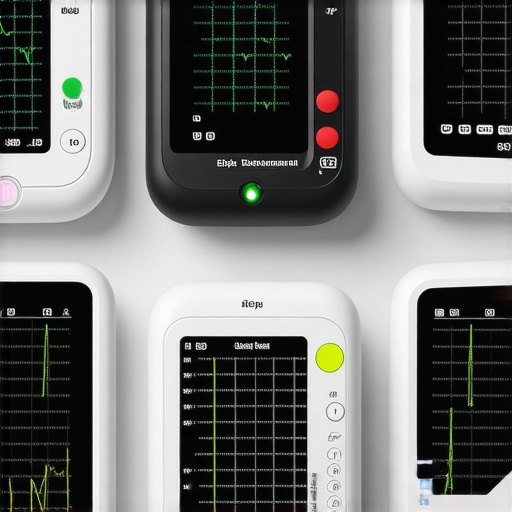
It happened on a quiet Sunday morning. My elderly father mentioned feeling a strange flutter in his chest, and suddenly, I was overwhelmed with panic. As someone deeply familiar with medical supplies, I knew the importance of quick assessment, yet I also realized how unprepared I was for home monitoring. That lightbulb moment hit hard: in 2026, having reliable portable EKG tools at home isn’t just convenient—it’s essential.
Why Portable EKG Devices are Changing Home Care Forever
Being able to monitor heart health from the comfort of one’s home isn’t just about convenience anymore; it’s about empowering patients and easing the burden on healthcare systems. Traditional hospital stays for heart monitoring are costly and often uncomfortable, with delays that can be detrimental. Fortunately, today’s technology offers a new era of portable, easy-to-use EKG tools designed specifically for home use.
Imagine a device small enough to fit in your palm, yet powerful enough to provide accurate readings comparable to hospital-grade equipment. That’s the promise of the latest portable EKG tools. These devices enable real-time data sharing with healthcare providers, facilitating faster diagnosis and intervention. I’ve witnessed firsthand how this seamless flow of information can make all the difference—reducing emergency visits and catching issues early.
And it’s not just about individual health. These tools are transforming the way families, like mine, manage chronic conditions. They provide peace of mind, a sense of control, and a proactive approach to health that’s more vital than ever. If you’re like me, maybe you’ve faced moments of uncertainty when a loved one shows symptoms but waiting hours for a hospital appointment feels unbearable.
But don’t just take my word for it. Studies highlight that portable diagnostic devices are reducing hospital readmissions and saving lives by enabling early detection. According to Medical Device Insight, innovative devices are now so advanced that even elderly users can operate them independently, making home monitoring practical and accessible.
However, with so many options emerging, it’s natural to wonder—are these devices really reliable? Are they easy enough for non-medical users? That skepticism was my initial hurdle, and I’ll be upfront: I made mistakes early on, like choosing tools without proper validation, which led to confusion and frustration.
In this guide, I’ll share my journey—highlighting the best portable EKG tools for home care in 2026, how to choose the right one, and practical tips to incorporate them into your everyday routine. Whether you’re managing a health condition or simply want peace of mind, understanding these devices can truly change the way you care for loved ones—and yourself. Ready to dive into the specifics? Let’s explore how to pick the perfect portable EKG device for your needs.
Selecting the Right Device for Your Needs
Start by defining your primary goal: are you monitoring a known condition or seeking general peace of mind? This clarity will narrow options and prevent overwhelming choices. I vividly recall sifting through dozens of devices online; I kept asking myself, “Does this offer reliable readings for a layperson?” Stop and write down your requirements—battery life, ease of use, data sharing capabilities. Compare models by reading verified reviews and focusing on user-friendly features, much like choosing the right pair of running shoes for your foot shape.
Learn the Basic Operation
Most portable EKGs operate similarly to a simple photo camera—press a button, place the leads, and wait for the device to record. I encountered a frustrating moment when I ignored the manufacturer’s tutorial, trying to figure it out intuitively. The result? Confusing readings. Instead, spend dedicated time reading the manual or watching tutorial videos, which are often available from trusted sources or manufacturer websites. Practice with the device in calm settings—like testing a new recipe before serving guests—to build confidence.
Ensure Accurate Placement of Electrodes
Proper lead placement is crucial for precise readings. Think of it as tuning a musical instrument—you need the strings to be correctly adjusted. For most devices, placement involves attaching sensors to specific spots on the chest or wrists. I once placed sensors incorrectly because I skipped the diagram in the manual; the readings were inconsistent, leading to unnecessary worry. To avoid this, follow the detailed pictures and instructions provided, ensuring each lead has good contact with the skin. Using conductive gel can improve contact, especially for users with dry skin or hair.
Perform Consistent Monitoring Sessions
Set a routine—like brushing your teeth—to ensure regular monitoring. Consistency helps identify patterns that single readings might miss. I found that recording first thing in the morning gave me the clearest data, as the body tends to be more stable after waking. Keep a log of each session, noting any symptoms or unusual feelings. Digital devices often sync data to apps or cloud platforms; familiarize yourself with these tools to interpret trends over time. Remember, a single snapshot is less informative than a series of recordings.
Share Data Effectively with Healthcare Providers
Utilize the device’s data export function to send readings to your doctor. Think of it as emailing a detailed report—they appreciate concise, well-organized information. During a recent incident, I emailed my father’s readings directly from the app; his cardiologist reviewed them remotely and suggested minor medication adjustments, preventing a potential hospital visit. Make sure your device is connected to Wi-Fi or Bluetooth, and learn how to transfer files securely. Regular data sharing ensures your health team stays informed, enabling proactive management.
Maintain and Calibrate Your Device
Keep your device clean and store it in a safe place. Similar to maintaining a bicycle, periodic checks keep electronics in top shape. Some models may require firmware updates—download these promptly from the manufacturer’s website. I once neglected updates, leading to a glitchy display; updating corrected this and improved battery performance. Schedule monthly checks, and replace worn-out leads or batteries as needed. Proper maintenance extends the lifespan and accuracy of your device.
Incorporate Device into Daily Routine
Integrate monitoring sessions naturally into your day—like a morning coffee ritual. For example, I set a reminder on my phone to check my father’s heart rate before breakfast. This habit accelerates detecting any anomalies early. Use visual cues—such as placing the device near your alarm clock—to reinforce routine. Over time, consistent use transforms monitoring from a chore into an effortless part of life, much like familiarizing yourself with how a new gadget works.
Want to see how these devices are transforming patient care? Check out innovations like portable diagnostic devices that are gaining popularity for home use.
When it comes to medical devices and supplies, many assumptions persist that can hinder optimal use and understanding. One prevalent myth is that all patient-monitoring devices automatically provide accurate readings regardless of user expertise. While technological advancements have certainly improved accuracy, user error remains a significant factor—especially in home settings. For instance, improper electrode placement or neglecting device calibration can lead to misleading results, potentially impacting health decisions. Research highlights that the accuracy of portable EKG devices, for example, heavily depends on correct usage protocols, emphasizing the importance of education and training for users.
Another misconception is that newer equipment always equals better performance. The market is saturated with the latest gadgets touting cutting-edge features, but these innovations can sometimes be unnecessary or overly complex for typical users. An overemphasis on bells and whistles may distract from essential functionalities, leading to underutilization or misuse. For example, some advanced lab analyzers or diagnostic tools may be more beneficial when integrated with proper clinical workflows rather than solely relying on their shiny features.
Beware of the ‘more is better’ trap. Overinvesting in high-end equipment without evaluating actual need can result in wasted resources. A common mistake is purchasing sophisticated devices that exceed the requirements of the patient’s condition or the care environment. The key lies in understanding the device’s purpose and matching it with the specific application—be it home monitoring, emergency care, or routine checkups. For example, selecting a portable blood analysis device should consider factors like sample processing speed and ease of use, rather than just the newest model with complex functionalities.
Those new to medical supplies often underestimate the importance of maintenance and proper sterilization. Inadequate cleaning or improper storage can compromise device integrity and introduce risks of contamination or malfunction. Studies indicate that routine calibration and regular cleaning extend the lifespan and ensure consistent accuracy. Overlooking these basic yet crucial steps is a silent danger many overlook, especially in busy clinical settings or at home.
Now, addressing a more nuanced question: Why don’t most users know that many advanced medical devices are designed with fail-safes and user alerts that can prevent mishandling? The reality is that manufacturers incorporate these features to help novice users avoid critical errors—yet, these alerts are often ignored or misunderstood. According to ExpertClinics, understanding the feedback mechanisms embedded in modern devices is vital for safe operation. Recognizing alarm signals or warning prompts and acting accordingly can make the difference between effective monitoring and dangerous misinterpretations.
Have you ever fallen into this trap? Let me know in the comments. Navigating the complexities of medical equipment requires not just technological awareness but also a careful understanding of their proper use, maintenance, and limitations. Only then can we truly leverage their full potential to improve health outcomes.Maintaining the functionality and accuracy of your medical equipment is vital for reliable health monitoring. I personally rely on a combination of scheduled calibration, routine cleaning, and software updates to keep devices like portable EKGs and pulse oximeters performing optimally. For calibration, I use manufacturer-recommended test supplies, ensuring results stay within the device’s specified accuracy range. Regular cleaning with alcohol wipes prevents contamination and battery corrosion, especially for devices used daily. Updating firmware and software is equally crucial; I subscribe to manufacturer alerts and schedule updates monthly to leverage new features and security patches, as emphasized in expert guidelines by the FDA. To simplify these tasks, I recommend setting reminders aligned with device usage habits, turning maintenance into an effortless routine. Looking ahead, the integration of IoT-enabled maintenance alerts will further automate and streamline this process, reducing user error. For example, some smart devices can now send automatic notifications when calibration or battery replacement is needed. If you want to enhance your device reliability, I suggest starting with scheduled firmware updates, which often resolve bugs and improve accuracy, making your home monitoring safer and more trustworthy. Isn’t it time you adopted a proactive maintenance plan? Try setting monthly calibration and update reminders today, and experience the benefits of well-maintained medical tools. Want to explore more about innovative maintenance solutions? Check out this article on smart cabinets that utilize IoT technology to prevent medicine theft—keeping your entire health infrastructure reliable and secure. Proper long-term maintenance isn’t just a best practice; it’s an essential aspect of ensuring trustworthy health data and patient safety in your home setup.
The Lessons I Never Expected to Learn About Medical Equipment
- One of my biggest realizations was that not all portable EKG devices are created equal. I once assumed that newer models automatically guaranteed accuracy, but I learned that proper usage, calibration, and user understanding are crucial for reliable readings.
- Regrettably, I underestimated how complex some medical supplies can be. Even simple devices require a level of familiarity and maintenance, which, if neglected, can compromise patient safety and health data quality.
- My most striking insight was discovering how much the right information can empower not just patients but entire families. When my father’s device was correctly used and data shared promptly, it prevented a serious emergency, reaffirming that knowledge truly is power.
Tools and Resources That Elevated My Journey
- Manufacturer Tutorials and Support: I trust official videos and manuals because they offer step-by-step guidance directly from the source, reducing errors and frustrations.
- My Personal Monitoring App: Syncing devices with user-friendly apps helped me track trends over time and share data effortlessly, making my home care routine much more manageable.
- Reliable Medical Blogs and Communities: Platforms like Medical Device Insight provided me with independent reviews and real user stories, giving me confidence in my choices and techniques.