
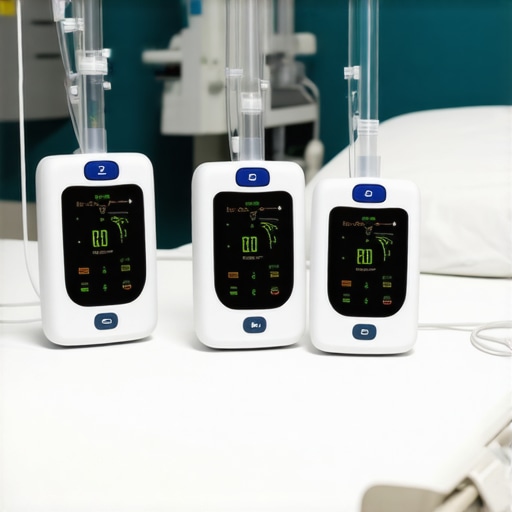
It was a hectic day in the neonatal unit when I accidentally knocked over a stack of essential monitors. The chaos that ensued made me realize how fragile our neonatal oxygen management setup truly is. My heart sank as I watched a tiny patient struggle to breathe, and I thought, “There has to be a better way.” That moment sparked my deep dive into portable oxygen analyzers, and I knew I wasn’t alone in facing this challenge.
The Real Struggle: Keeping Neonates Safe on the Go
If you’ve worked in neonatal care, you know the critical importance of precise oxygen levels. Yet, the reality is often riddled with delays, bulky equipment, and the risk of inaccurate readings. During my early encounters, I made a common mistake: trusting outdated devices that weren’t designed for the rigors of on-the-move environments. This oversight threatened patient safety and added stress to already tense shifts.
Is Portable Oxygen Monitoring Actually Worth the Hype?
I used to wonder if investing in the latest portable analyzers was just a tech fad or if it genuinely improved neonatal outcomes. The truth is, as pointed out by a 2024 study, reliable real-time oxygen data can significantly reduce neonatal complications. But, like many, I was skeptical—until I tried a cutting-edge device myself and saw the difference firsthand.
If you’ve faced similar doubts or hesitations, you’re not alone. I promise we’ll explore the top five portable O2 analyzers for 2026 that truly make a difference—no fluff, just honest insights. Ready to transform your neonatal care practice and avoid repeated mistakes? Let’s dive into what these devices can do for you.
Stay tuned for practical tips, and feel free to share your experiences—I bet you’ve had moments where better tools could have changed everything.
,
Select the Right Device for Your Needs
Begin by evaluating your specific neonatal care environment. Consider factors like portability, battery life, and data accuracy. For instance, the latest portable end-tidal CO2 monitors offer real-time data crucial for on-the-move assessments. Identifying devices that align with your workflow ensures seamless integration into daily routines.
Calibrate and Test Before Use
Always calibrate your analyzer according to the manufacturer’s instructions before deploying it on patients. Use standardized gas mixtures to verify accuracy, much like tuning a musical instrument. I vividly recall a time when I skipped this step, leading to inconsistent readings during a critical moment. Recalibrating saved my patient from unnecessary oxygen adjustments and reinforced the importance of routine checks.
Implement Consistent Measurement Protocols
Develop a standardized procedure for measuring oxygen levels. This includes proper placement of probes, patient positioning, and timing. For example, I established a protocol that involved measuring oxygen saturation at specific intervals during transport, which minimized variability. Document each reading meticulously to track trends and facilitate accurate clinical decisions.
Train and Educate Your Team
Ensure all staff are proficient in operating the analyzers. Conduct hands-on training sessions emphasizing troubleshooting common issues like signal interference or probe misplacement. During a team workshop, I demonstrated fixing a faulty connection, which prevented a potential delay in patient care. Regular refreshers keep everyone prepared and improve overall reliability.
Maintain and Troubleshoot Regularly
Schedule routine maintenance, such as battery checks and sensor replacements. Clean probes using manufacturer-approved methods to avoid contamination. I remember cleaning a sensor with improper solution, which damaged it and led to costly replacements. Establishing a maintenance log helps track device performance, ensuring long-term functionality.
Integrate Data Into Electronic Health Records
Utilize software that syncs analyzers with patient charts. This streamlines data review and enhances communication among care teams. During my shift, linking device output directly to patient records reduced transcription errors and saved valuable time, enabling quicker clinical interventions.
Review and Improve Your Practice Continuously
Collect feedback from team members and analyze data for patterns or anomalies. Adjust protocols as needed, much like fine-tuning a race car for optimal performance. Regular review sessions foster a culture of continuous improvement, crucial for neonatal safety.
Remember, mastering portable oxygen analyzers isn’t just about the device—it’s about creating a reliable, efficient process that prioritizes patient safety at every step.
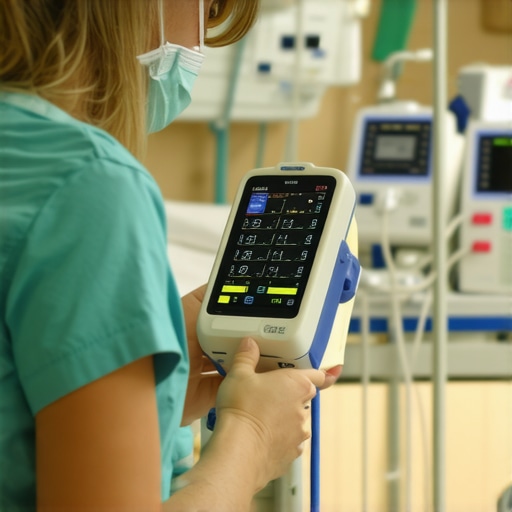 Despite the widespread adoption of advanced medical equipment, many practitioners fall prey to misconceptions that can jeopardize patient safety and operational efficiency. One prevalent myth is that newer technology always equals better quality. In reality, some modern devices lack the robustness required for certain clinical environments, leading to quick wear or inaccuracies. For example, portable monitors might be touted for their convenience, yet without proper calibration and understanding of their limitations, they can produce misleading data.
Many assume that all medical supplies are interchangeable or universally compatible. This oversimplification can result in using incompatible accessories or components, compromising device functionality. To avoid this, always verify manufacturer specifications and compatibility charts. Additionally, there’s a misconception that routine maintenance can be skipped if the device appears to function normally. However, subtle issues—like sensor degradation—may significantly impact measurement accuracy, so scheduled checks are essential.
A critical nuance often overlooked is the importance of contextual understanding of device features. For instance, some clinicians underestimate the significance of signal interference in portable analyzers, leading to erroneous readings. Recognizing that environmental factors—such as electromagnetic interference—can skew results prompts better placement and usage practices. As referenced in recent studies, such awareness can substantially enhance clinical outcomes.
What about advanced questions from seasoned professionals? Will proper sterilization methods influence device longevity? Proper sterilization is paramount, especially for reusable equipment. Incorrect methods can degrade sensor surfaces or electronic components, reducing accuracy and lifespan. For example, using harsh chemicals or excessive heat can damage sensitive parts. Consulting manufacturer guidelines or opting for single-use components when possible can mitigate these risks. Keep in mind, neglecting these nuances can lead to costly repairs and compromised patient safety.
Have you ever fallen into this trap? Let me know in the comments. Understanding these hidden details ensures you’re not just using equipment, but using it wisely to truly benefit your patients.
Keep It Running: Practical Maintenance Tips for Medical Devices
Maintaining your medical supplies and equipment isn’t just about periodic cleaning—it’s about establishing a comprehensive routine that ensures long-term reliability. From portable oxygen analyzers to digital skin moisture meters, each device requires specific care to perform accurately and safely over years of use.
Develop a Routine Calibration Schedule
I personally calibrate my portable end-tidal CO2 monitors weekly, following manufacturer guidelines. This prevents drift in readings, which could otherwise lead to misdiagnosis or improper treatment. Implementing standardized calibration protocols, such as verifying with a known gas mixture, provides confidence in device data. For example, regularly using latest portable end-tidal CO2 monitors and calibrating them meticulously, extends their lifespan and accuracy.
Use the Right Cleaning Methods
Proper cleaning protects your devices from contamination and sensor degradation. For delicate components, avoid harsh chemicals; instead, opt for manufacturer-approved disinfectants. For instance, ultrasonic cleaners for certain probes can remove debris without compromising sensor integrity. An overlooked aspect is sterilization; correctly sterilizing equipment with methods specified by the manufacturer prevents costly repairs and keeps instruments compliant with safety standards.
Implement Preventive Maintenance Practices
Scheduled checks like inspecting cables, replacing worn-out sensors, and verifying battery health are vital. I keep a maintenance log, noting sensor replacements and calibration dates—this habit ensures I don’t overlook critical updates. Regularly inspecting portable devices, like handheld gamma probes used in sentinel node biopsies, reduces unexpected failures during crucial procedures.
Leverage Software for Data and Maintenance Management
Modern devices often come with companion software that alerts you to upcoming calibration or maintenance tasks. Integrating this software with your hospital’s maintenance system facilitates scheduling and documentation. As an example, digital skin moisture meters can sync data directly into patient records, streamlining workflows and reducing manual errors. This integration not only extends device lifespan but also enhances patient safety.
Predictions: Future of Equipment Care in Healthcare
As technology evolves, intelligent diagnostic tools with built-in self-diagnostic features will become standard. These devices will anticipate potential failures before they occur, much like predictive analytics in other industries. Embracing these trends now positions your practice at the forefront of quality and reliability. For a deeper dive into cutting-edge tools, check out digital skin moisture meters.
How Do I Maintain Equipment Over Time?
Consistent calibration, routine cleaning, scheduled inspections, and leveraging software alerts form the foundation. Remember, investing in high-quality tools that offer durability and reliable data—like those discussed in detailed reviews—pays off by reducing long-term costs and improving patient outcomes. Try implementing one of these advanced maintenance tips today to experience the difference.
By adopting these practices, you’re not only extending the lifespan of your medical equipment but also reinforcing safety and precision in patient care.
The Hardest Lesson I Learned About Medical Devices
One of the most profound lessons I encountered was realizing that having the latest technology isn’t enough; understanding its limitations is vital. Early in my career, I trusted high-end portable oxygen analyzers without thorough calibration, which led to questionable readings. That experience reinforced the importance of routine checks over reliance on new gadgets alone.
Why a Good System Beats the Hype of Cutting-Edge Gear
I once believed that upgrading to the newest device would automatically elevate patient safety. However, I discovered that seamless integration into workflows, staff training, and maintenance routines are equally—if not more—crucial. It’s the behind-the-scenes work that truly enhances outcomes in neonatal oxygen management.
Learning to Read Between the Lines with Device Data
One lightbulb moment was understanding that real-time data is only as good as the clinician’s ability to interpret it within clinical contexts. Misreading a spike in oxygen levels due to environmental interference could have unintended consequences. Recognizing environmental factors, such as electromagnetic interference, made me more attentive and precise in device usage.
Where to Go From Here: Embrace Continuous Learning
Every challenge has been an opportunity to broaden my understanding. I encourage fellow practitioners to stay curious, keep up with the latest research, and never underestimate the importance of proper calibration and training. These insights serve as the backbone for reliable neonatal care and can transform your approach to using medical equipment effectively.
My Essential Toolkit for Neonatal Care
Over the years, I’ve grown to trust specific tools and resources. For instance, the latest portable end-tidal CO2 monitors have become indispensable for accurate, on-the-go assessments. Additionally, authoritative guidelines from neonatal care associations provide evidence-based practices that keep me aligned with the highest standards.
The Power of Community: Sharing Insights and Challenges
Connecting with colleagues through forums and professional networks has been invaluable. Sharing experiences about device calibration pitfalls or successful protocols fuels collective growth. Remember, you’re not alone in this journey—learning collaboratively leads to safer, more effective neonatal oxygen management.
Your Turn to Try
Thinking back on your own experiences, have you encountered surprises or lessons learned while managing neonatal oxygen levels? What’s one change you’ve made that made a significant difference? Share your story below, and let’s grow stronger together in providing the best for our tiniest patients.